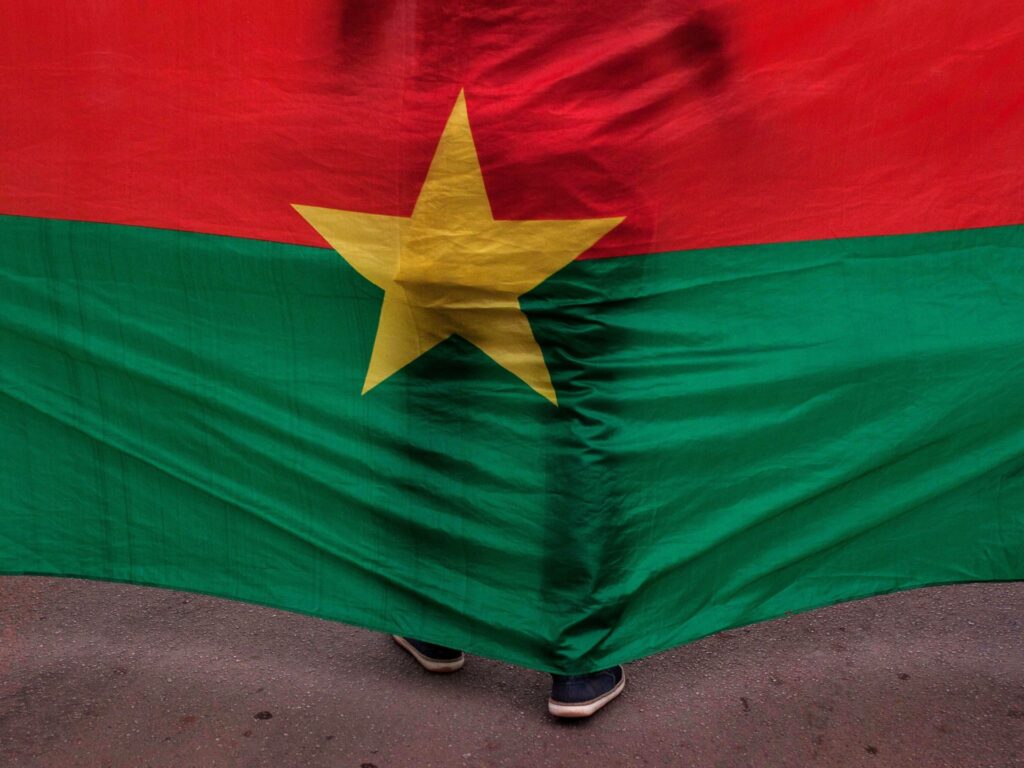
In a sweeping move that has drawn international condemnation, Burkina Faso’s government has announced the dissolution of more than 100 non-governmental organizations (NGOs) and civil society groups. This action is part of the latest measures under the rule of the Traore administration, which has been criticized for its aggressive crackdown on entities that are seen as challenging the government’s policies or narrative.
The dissolution affects a broad range of NGOs, many of which focus on human rights, governance, and social justice. The banned groups include organizations that have actively campaigned against corruption, human rights abuses, and have promoted transparency and accountability in the country’s institutions.
Amnesty International, a global human rights watchdog, has strongly condemned the move, describing it as a “flagrant attack” on basic rights and freedoms. The organization emphasized that the dissolution undermines civil society’s essential role in promoting democratic governance and holding authorities accountable.
The government has publicly justified the bans by accusing some NGOs and civil society groups of acting against national interests and engaging in activities that destabilize the country. Officials claim that reports and campaigns issued by these groups often misrepresent facts and fuel dissent, thus posing a threat to national security.
However, critics argue that this government action severely restricts freedom of association and expression — key pillars of a functioning democracy. The crackdown occurs amid ongoing political instability and growing security challenges in Burkina Faso, including threats from extremist groups and a fragile political climate following coups and leadership changes.
Civil society leaders in Burkina Faso have expressed deep concern over the bans, warning that the government’s actions could stifle civic engagement, limit independent oversight, and reduce support to vulnerable populations who benefit from NGO services.
International observers fear that the dissolution may set a dangerous precedent for other countries in the region, where authoritarian tendencies are increasingly undermining democratic norms and institutions.
Despite pressures, many activists have vowed to continue their work in different capacities, utilizing informal networks and digital platforms to advocate for human rights and social justice.
This move by Burkina Faso’s government marks a significant escalation in the suppression of civil society, raising alarms about the future of democracy, human rights, and governance in the country. The international community remains watchful, calling for respect for fundamental freedoms and urging dialogue between the government and civil society to safeguard the nation’s democratic framework.