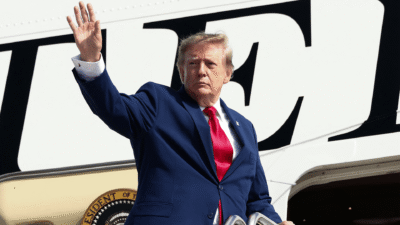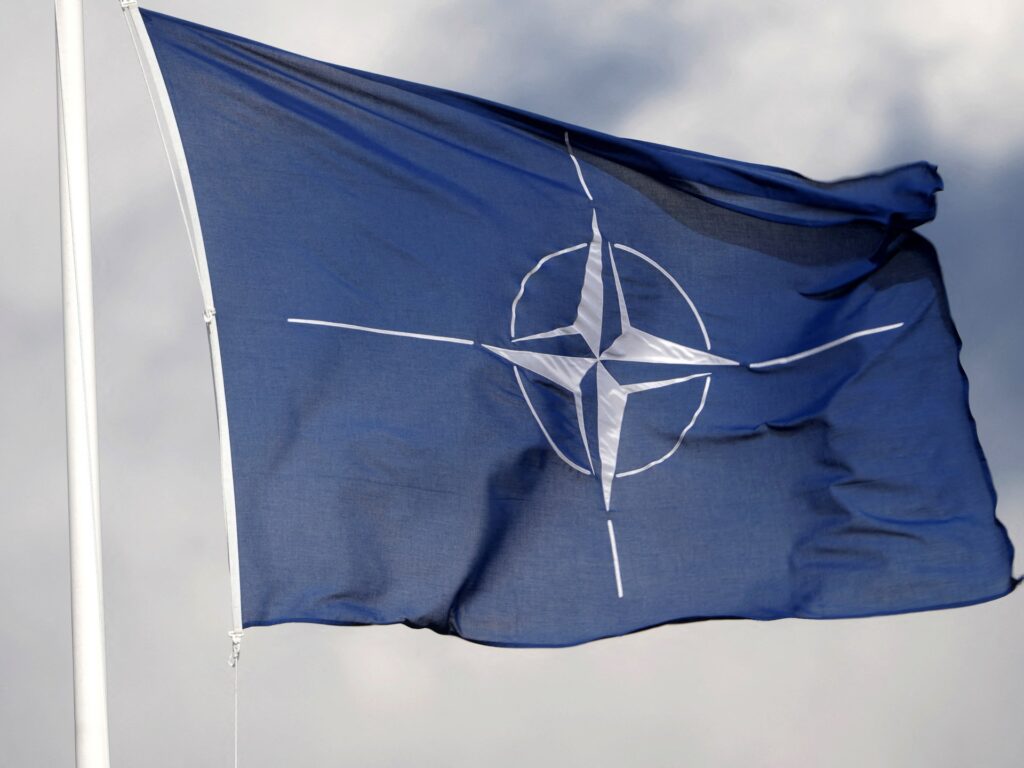
The North Atlantic Treaty Organization (NATO) is a military alliance established in 1949, consisting of 30 member countries from North America and Europe, committed to mutual defense against aggression. The United States, as one of the founding members and the most powerful military force within the alliance, plays a central role in NATO’s operations and strategic direction.
The question of whether the United States could withdraw from NATO is both legal and political in nature. Legally, the United States can withdraw from NATO. Article 13 of the North Atlantic Treaty allows any member country to leave the alliance after a notice period of one year. This means that the US has the formal right to terminate its membership if it chooses to do so.
Politically, however, withdrawing from NATO would be a highly significant and controversial step. NATO serves as a cornerstone of US foreign policy and global security strategy. It provides a framework for collective defense, ensures military interoperability with allies, and helps maintain stability in the Euro-Atlantic region. The US presence in NATO also serves to enhance diplomatic relationships and influence in Europe and beyond.
Over the years, political debates have surfaced regarding the US’s role in NATO, especially concerning the financial contributions and burden-sharing among members. Some critics argue that the US bears a disproportionate share of the costs, while proponents highlight the strategic advantages and security guarantees that NATO membership ensures.
If the US were to withdraw from NATO, the consequences would be far-reaching. Such a move could undermine the cohesion and deterrence capacity of the alliance, potentially destabilize European security, and embolden adversarial powers. It might also diminish the US’s global leadership role and bilateral relationships with European allies.
In conclusion, while the US legally can withdraw from NATO under the provisions of the treaty, the political, strategic, and diplomatic ramifications make such a decision highly unlikely. The alliance continues to be a pivotal part of transatlantic security and US foreign policy, reflecting shared interests and commitments among member states.