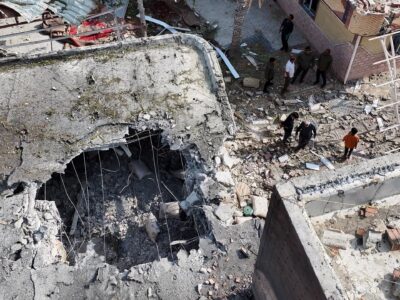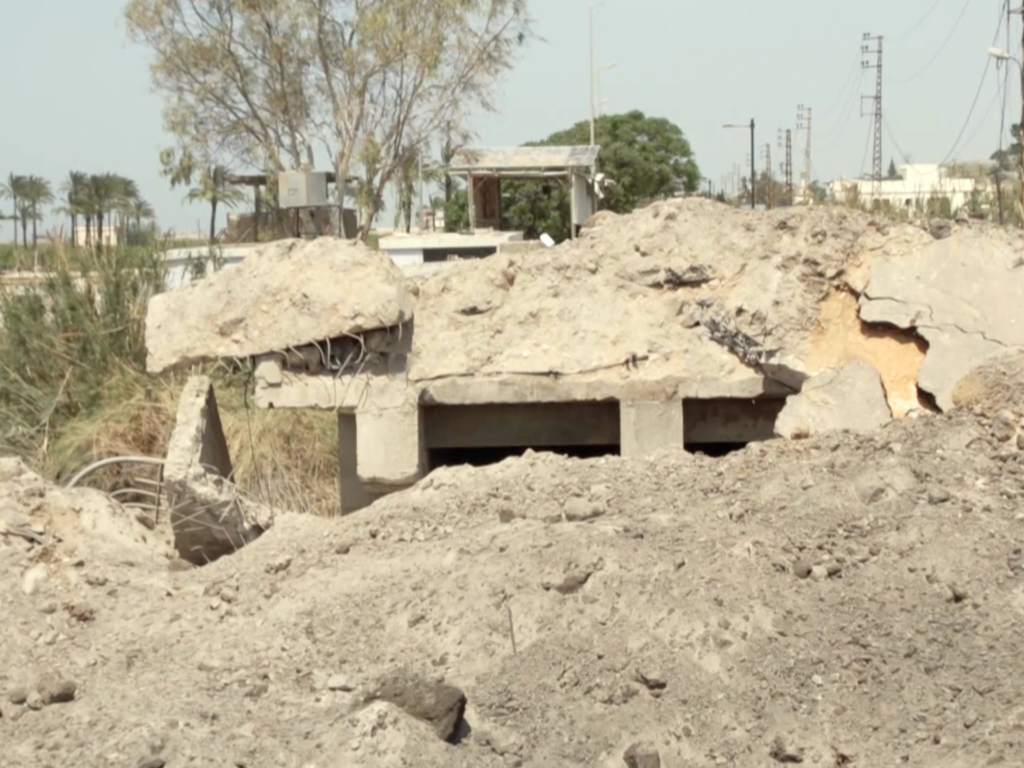
In a significant escalation of regional tensions, an Israeli strike recently destroyed the last operational bridge spanning Lebanon’s Litani River. This strategic move comes amid ongoing conflicts and heightens the complexity of the security situation in southern Lebanon and the broader Middle East.
The Litani River, Lebanon’s longest river, plays a crucial role in the geography and economy of the region. The river serves not only as a vital water source but also as a key transportation and logistical corridor. The targeted bridge was the last remaining structure allowing free movement across the river, greatly impacting civilian and military mobility.
The destruction of the bridge was confirmed by Lebanese officials who expressed grave concerns about the consequences for local communities. The bridge’s loss disrupts daily life, complicates access to essential services, and hampers the delivery of humanitarian aid in affected areas. Lebanese authorities have called for urgent international attention to mitigate the humanitarian impact.
From a military perspective, the strike is seen as a calculated attempt by Israel to restrict troop movements and supply lines of Hezbollah and other militant groups believed to operate in the region. By targeting critical infrastructure, Israel aims to weaken these groups’ operational capabilities and limit their ability to challenge Israeli security.
The incident follows a pattern of frequent exchanges of fire and retaliatory strikes between Israel and Lebanese militant factions. The destruction of infrastructure like the Litani bridge could further exacerbate the cycle of violence and destabilize the already fragile ceasefire arrangements.
Human rights organizations have voiced concerns about the strike’s compliance with international law, emphasizing the need to protect civilian infrastructure and avoid collective punishment of the local population. They stress that conflict must be conducted with respect to humanitarian principles to prevent further suffering.
Lebanon’s government condemned the Israeli strike, calling it a violation of sovereignty and international agreements. Lebanese officials have appealed to the United Nations and other multinational organizations to intervene and prevent further deterioration of the situation.
The international community has shown mixed reactions, with some countries condemning the strike and others urging restraint from all parties involved. Calls for renewed diplomatic initiatives are intensifying in hopes of de-escalating tensions and finding a sustainable solution to the longstanding conflict.
Rebuilding the bridge will require considerable financial and engineering resources. Preliminary assessments by Lebanese engineers suggest that reconstruction could take months, during which the region will face severe logistical challenges.
The destruction of the Litani River bridge is not merely a physical loss but a symbolic blow to Lebanon’s infrastructure and its efforts to ensure stability amid continuing conflict. It underscores the urgency of political dialogue and peacebuilding efforts in the region.
As the situation develops, attention will focus on how Lebanon and international partners respond to mitigate the immediate crisis and prevent further infrastructure damage. The bridge’s destruction stands as a stark reminder of the profound human and material costs of ongoing geopolitical strife in the Middle East.