After more than three decades of silence, leaders from Israel and Lebanon are preparing to engage in historic talks aimed at reducing tensions and potentially achieving a ceasefire between the two nations. The forthcoming discussions mark a significant milestone in the complex and often volatile relations between the neighboring countries, which have experienced repeated conflicts and military exchanges over the years.
Since the last official dialogue 34 years ago, the Israel-Lebanon border region has remained a hotspot of sporadic violence, with clashes involving various militias, including Hezbollah, contributing to a state of persistent insecurity. The absence of direct communication has hindered efforts to address underlying issues and establish lasting peace.
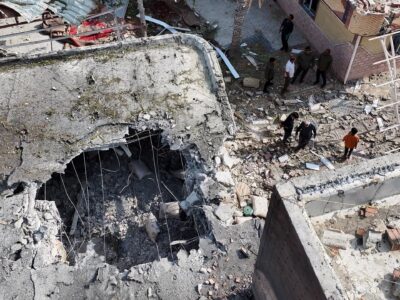
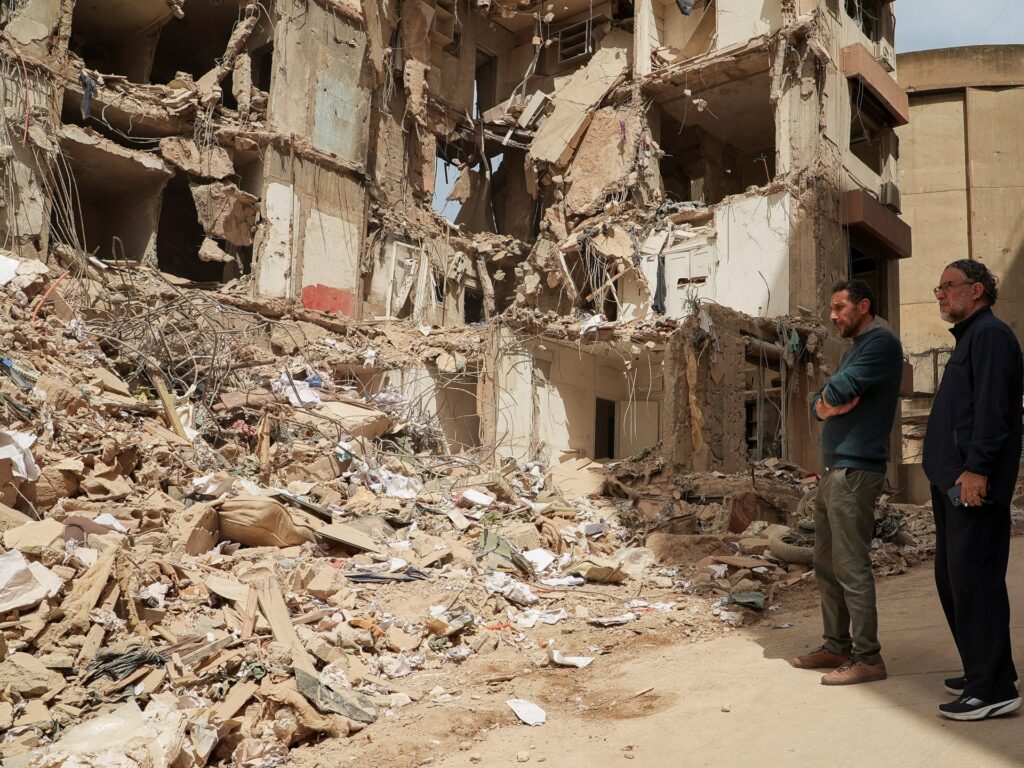
The decision to resume talks comes amid escalating conflict in the region, which has caused substantial human suffering and economic disruption on both sides. International actors and regional powers have expressed cautious optimism that renewed dialogue could pave the way for de-escalation.
These talks represent more than just a diplomatic formality; they are a critical opportunity for confidence-building and addressing contentious matters such as border demarcation, security arrangements, and the disarmament of non-state armed groups. Both governments have expressed a willingness to prioritize dialogue over confrontation, signaling a potential shift in regional dynamics.
Observers note that successful negotiations will require addressing deeply rooted mistrust and reconciling diverging national interests. Humanitarian concerns, including the well-being of civilians affected by past and ongoing conflicts, are expected to be central themes in the discussions.
Experts highlight that while the path to a formal ceasefire and lasting peace remains challenging, the opening of communication channels between Israel and Lebanon is a crucial step towards reducing hostilities and preventing future escalations.
The international community is closely monitoring the talks, with many hoping that this renewed engagement will lead to a sustainable resolution that ensures stability and security in the region. Should the talks prove fruitful, they could serve as a model for conflict resolution in other protracted regional disputes.
In conclusion, the historic Israel-Lebanon talks could indeed lead to a ceasefire, provided both sides commit to constructive dialogue and mutual compromise. The prospect of ending decades of hostility offers hope for a more peaceful and cooperative future between the two nations and their peoples.