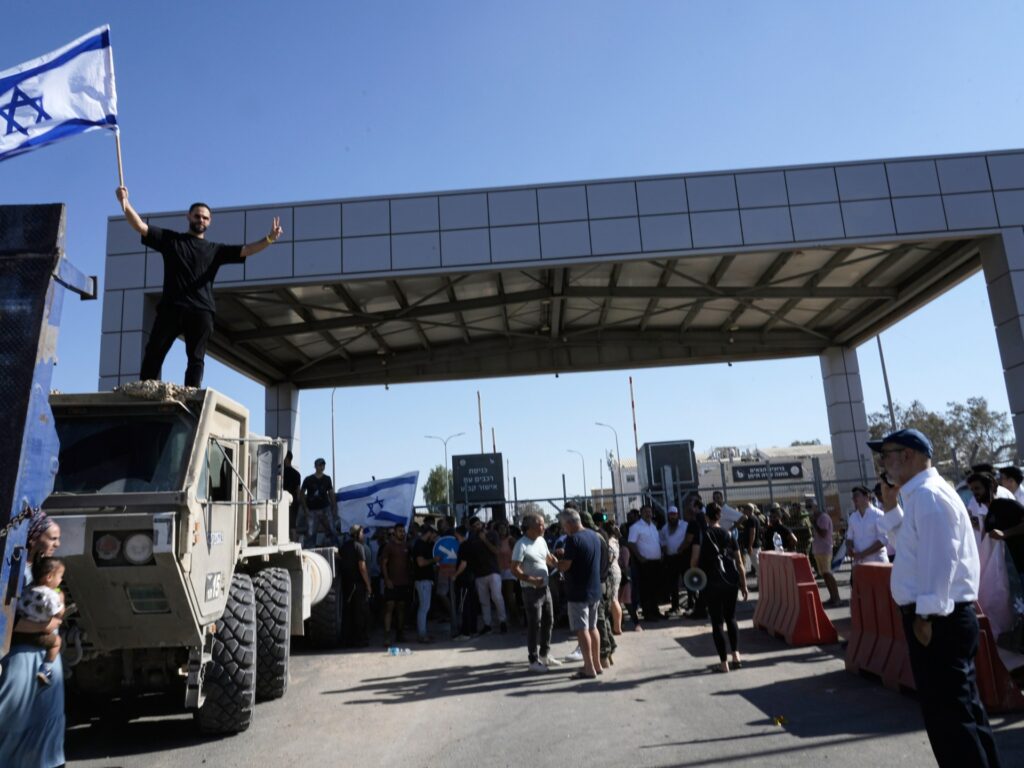
The Israeli army has announced that some soldiers accused of abusing a Palestinian detainee will be returning to their combat roles. According to reports from Israeli Army Radio, several reservists involved in the accusations have already resumed their military duties.
The case has drawn significant attention both domestically and internationally, with human rights organizations calling for thorough investigations and accountability. The allegations against the soldiers center around mistreatment during the detention of a Palestinian individual, which raises serious concerns about the conduct of military personnel in occupied territories.
Despite the ongoing controversy, the army appears to be proceeding with reinstating the soldiers to active duty. The specific details and outcomes of any internal investigations have not been fully disclosed, leading to calls for greater transparency in handling such cases.
The incident underscores the complex and often tense relations between Israeli forces and Palestinian communities. It highlights the challenges the Israeli military faces in managing the behavior of its personnel while maintaining security operations.
Critics argue that allowing accused soldiers to return to combat roles without public accountability could undermine the rule of law and erode trust in the military’s commitment to ethical standards. Supporters within the military might contend that due process is being followed and that the soldiers have not been proven guilty.
The Israeli army’s decision invites scrutiny over its handling of allegations of misconduct, the protection of detainees’ rights, and the broader implications for peace and security in the region. Observers will be watching closely to see how this situation develops and whether meaningful reforms or disciplinary measures will be implemented.
Overall, the return to duty of soldiers accused of abusing a Palestinian detainee represents a contentious and sensitive issue that reflects ongoing challenges in the Israeli-Palestinian conflict. It emphasizes the need for improved oversight, adherence to human rights standards, and dialogue aimed at resolving long-standing grievances on all sides.