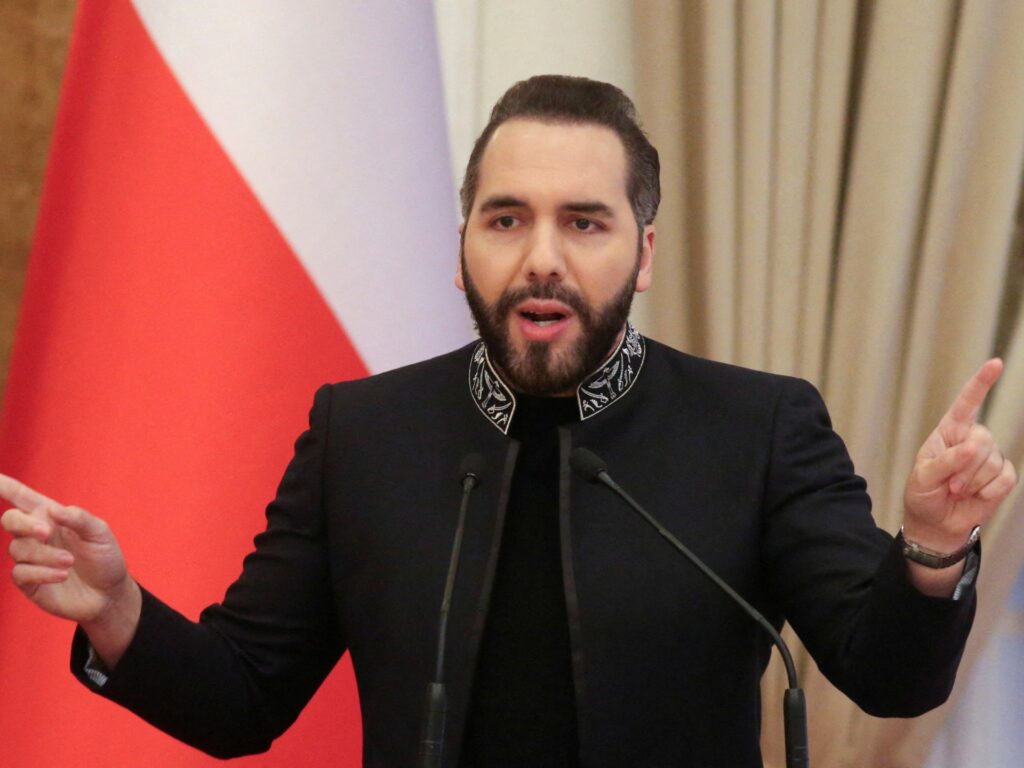
El Salvador has recently published a highly controversial law permitting life sentences for minors as young as 12 years old. This legislation marks a significant shift in the country’s criminal justice approach, particularly aimed at combating escalating crime rates. President Nayib Bukele, the leader overseeing this policy, has been in power during a four-year-long state of emergency declared to tackle rampant criminal activity within the nation.
The new law empowers the judicial system to impose life imprisonment without parole on juvenile offenders who commit serious crimes. Traditionally, minors have been treated leniently under international laws and human rights standards, often subject to rehabilitation over punishment. However, the surge in violent crimes, including gang-related offenses, has pressured the government to adopt harsher measures.
President Bukele’s administration argues that these tough sentencing rules serve as a deterrent to youth involvement in criminal gangs, which are notorious for drug trafficking, extortion, and violent acts. The state of emergency, which grants expanded powers to security forces for crime fighting, has been a cornerstone of Bukele’s governance since his election.
Critics, including human rights organizations and international bodies, have condemned the new law for violating children’s rights. They warn that life imprisonment for minors contradicts international treaties, such as the United Nations Convention on the Rights of the Child, which calls for juvenile justice systems to focus on rehabilitation and reintegration.
Legal experts highlight the long-term risks of incarcerating children for life, including the psychological impact and the loss of opportunities for education and social development. They also note concerns about the fairness of trials and protection against potential abuses within the prison system.
Despite these criticisms, the Salvadoran government maintains that the measure is necessary to restore public safety and reduce the overwhelming crime rates that have plagued the nation for decades. The law is expected to trigger further debate on balancing security priorities with human rights commitments.
This legislative change places El Salvador at the forefront of nations adopting some of the most severe penalties for juvenile offenders. Observers will closely monitor the social and judicial outcomes of this law, as well as the international response it may provoke.
As the country grapples with complex issues of crime, security, and justice, the newest law underscores the polarized perspectives on how best to protect citizens while upholding fundamental rights. The debate over imposing life sentences on minors encapsulates the broader challenges facing El Salvador’s criminal justice reforms under President Bukele’s administration.