Peru’s presidential election has plunged into a state of uncertainty and frustration as the ballot count continues to drag on amid allegations and a politically charged atmosphere. The ongoing vote tally has sparked widespread concern among citizens and politicians alike, marking one of the most turbulent electoral processes recent Peruvian history has witnessed.
The election, intended to chart a new path for Peru, has instead exposed deep divisions and a lack of trust in the electoral system. As of now, the vote count has yet to produce a clear winner, with the race between the leading candidates remaining alarmingly tight. This has led to heightened tensions and an increasingly polarized public discourse.
Candidates, some of whom have lagged in the count, have publicly raised claims of fraud, accusing political opponents of attempting to manipulate the results. These allegations have fueled public unease and skepticism about the legitimacy of the election process. The National Office of Electoral Processes (ONPE) has reassured the public that the counting process is being conducted fairly and transparently but has acknowledged the complexity of the situation.
The drawn-out counting has been complicated by Peru’s fraught political environment. In recent years, the country has experienced numerous political upheavals, including presidential impeachments and corruption scandals, which have eroded public trust in government institutions and the political process. The current election is seen as a critical juncture, with many citizens hoping for restoration and stability.
Moreover, social media and international observers have played a significant role in amplifying concerns about electoral integrity, with rumors and misinformation spreading rapidly. This has added an additional layer of difficulty for officials attempting to finalize the vote tally amid calls for patience and due process.
Observers note that the election’s outcome will have profound implications not only for Peru but also for regional politics in South America. The newly elected president will face the daunting task of addressing deep-rooted economic challenges, social inequality, and political fragmentation.
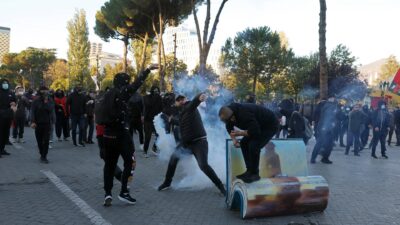
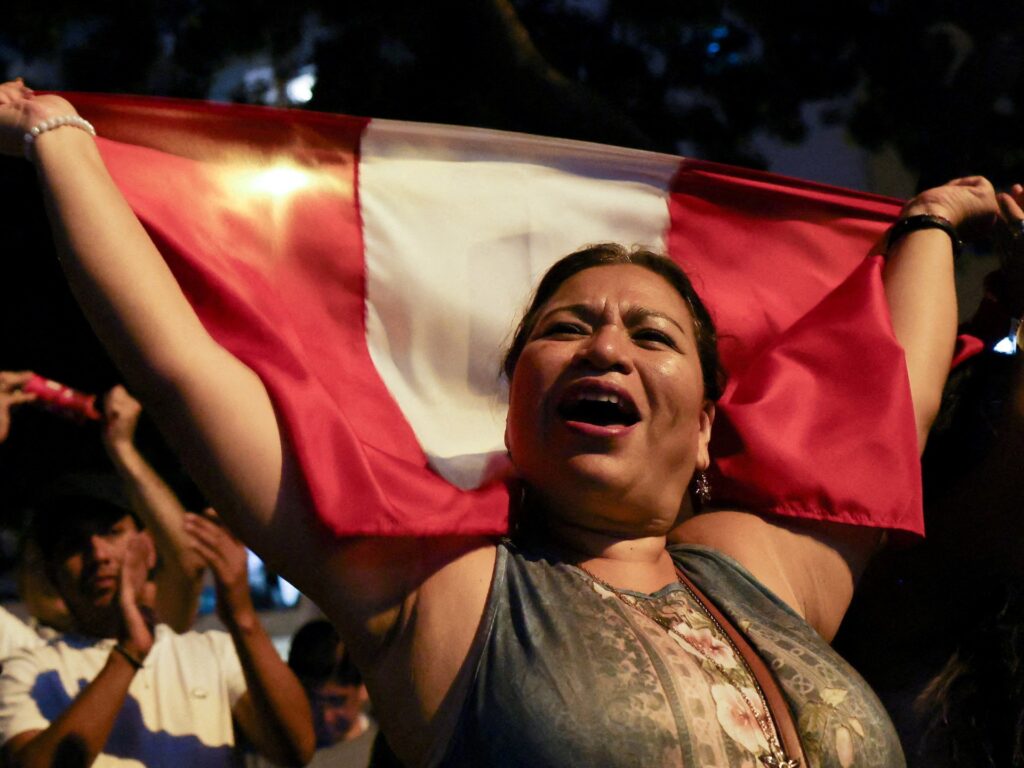
As the counting continues, protests and public demonstrations have emerged in various parts of the country, reflecting widespread dissatisfaction and anxiety. Citizens demand clarity and transparency, urging electoral authorities to expedite the process without compromising accuracy.
Despite the frustrations, the international community has largely called for calm and respect for democratic principles, emphasizing the importance of peaceful and fair elections in maintaining Peru’s democratic fabric.
In conclusion, Peru’s presidential election ballot count remains a focal point of national attention as the country grapples with political uncertainty and public discontent. With fraud claims complicating the process and a polarized sociopolitical climate, the path forward will require transparent communication and a steadfast commitment to democratic norms to restore public trust and ensure a legitimate transition of power.