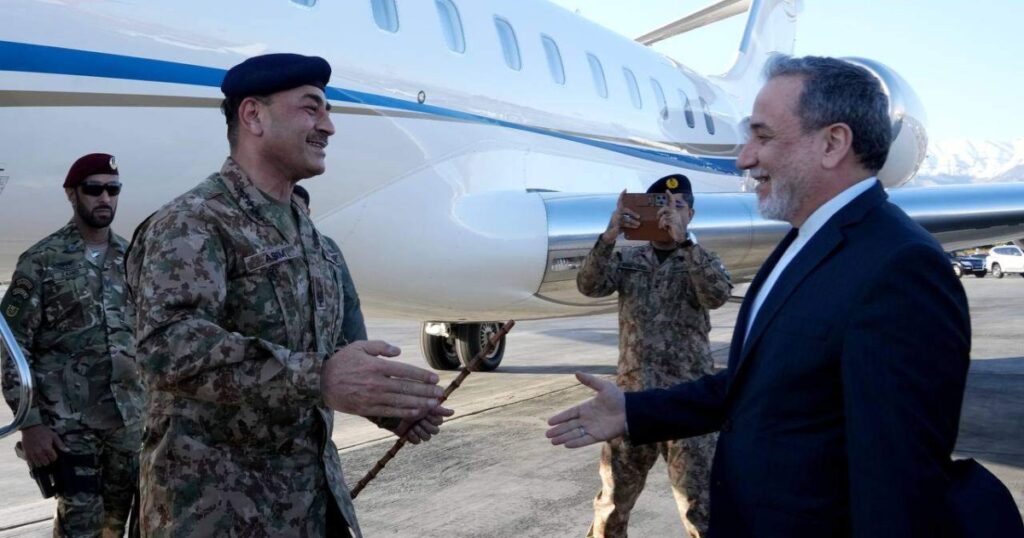
The ongoing conflict involving Iran and its regional adversaries has seen significant developments, with Pakistan now actively pushing for a new round of peace negotiations between the United States and Iran. This diplomatic initiative comes at a time when violence in the region continues to escalate, particularly in Lebanon.
Since March 2, Israel’s military operations in Lebanon have resulted in a tragic toll, with at least 2,167 people killed and over 7,000 injured. This spike in casualties underscores the urgency of seeking diplomatic solutions to curb the conflict’s human cost.
Pakistan’s diplomatic efforts aim to bridge the gap between the United States and Iran, two key players whose tensions significantly impact stability in the Middle East. Islamabad’s call for dialogue reflects broader international concerns about the potential for wider regional conflict if hostilities persist.
The conflict’s repercussions extend beyond immediate casualties, affecting geopolitical dynamics, economic interests, and humanitarian conditions across the Middle East. Lebanon, in particular, faces a dire humanitarian crisis amid the ongoing bombardment and infrastructure damage.
International observers and regional stakeholders are closely monitoring developments, hopeful that renewed negotiations could pave the way for a ceasefire or more comprehensive peace agreement. Such talks would not only address immediate security issues but also the underlying political and sectarian tensions driving the conflict.
The Pakistan government has emphasized that dialogue remains the only viable path forward, urging restraint and cooperation from all involved parties. Their initiative includes proposals for confidence-building measures and frameworks to facilitate sustained communication between Washington and Tehran.
Meanwhile, humanitarian agencies are calling for increased aid and access to affected populations in Lebanon to alleviate suffering caused by the escalating violence.
As the situation remains volatile, the international community faces mounting pressure to support peace efforts and prevent further bloodshed. The outcome of these proposed negotiations could significantly influence the future stability of the Middle East and the broader international order.