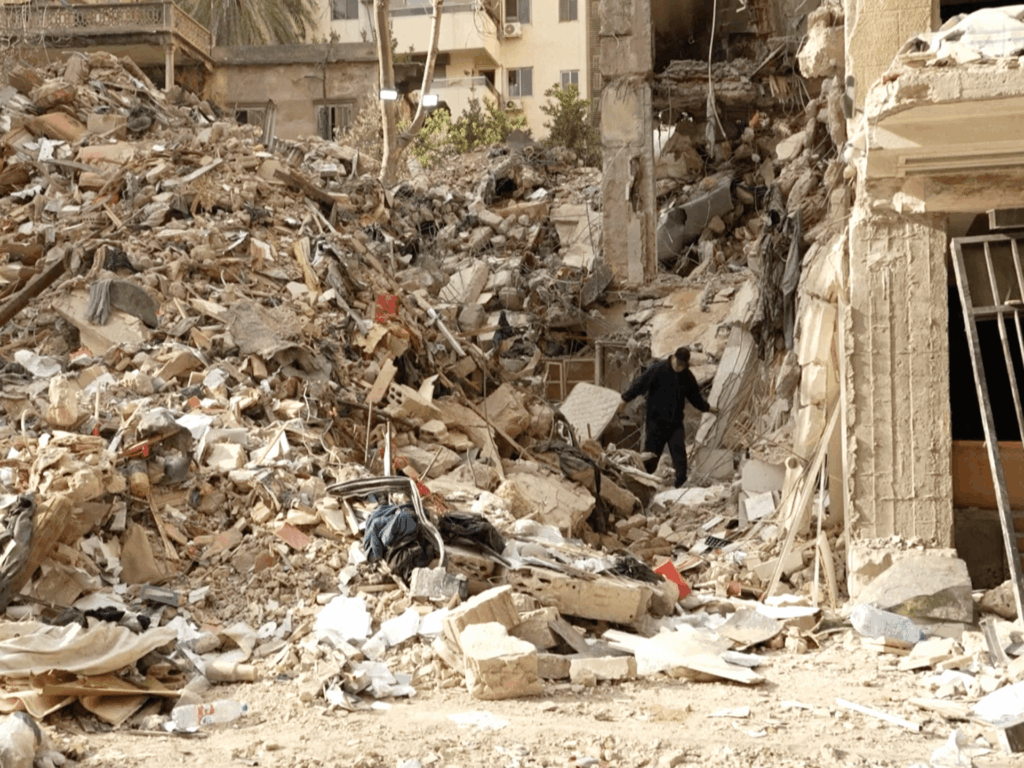
Lebanon is witnessing an unprecedented moment as it engages in its first direct talks with Israel in decades. This diplomatic breakthrough comes amid long-standing tensions and complex historical conflicts between the two neighboring countries. The public reaction in Lebanon is a mosaic of hope, skepticism, and cautious optimism.
Many Lebanese citizens express hope that these talks could pave the way for lasting peace and stability in the region. For decades, the hostility and unresolved issues have deeply affected the nation’s social and political fabric. Some see the dialogue as a critical step toward resolving territorial disputes, economic challenges, and security concerns that have long hindered progress.
However, there is a notable sense of skepticism among various groups within Lebanon. Given past experiences with failed agreements and ongoing regional instability, a segment of the population remains doubtful that these talks will yield substantial results. Concerns about maintaining Lebanon’s sovereignty and the potential influence of external powers also shape public opinion.
Political leaders and analysts warn that while negotiations are a positive development, the path ahead is fraught with obstacles. They urge patience and emphasize the importance of careful diplomacy to avoid escalating tensions. The talks focus primarily on maritime borders and resource rights, which are critical issues for Lebanon’s economic future, especially concerning offshore oil and gas exploration.
Media outlets in Lebanon reflect this varied perspective, reporting both the potential benefits and the challenges of the talks. Social media platforms have become a lively space where citizens debate the implications, share historical memories, and speculate about the future.
Cultural and religious factors also influence public sentiment. Some communities embrace the possibility of peace as a chance to foster coexistence and mutual understanding, while others remain entrenched in historical grievances.
International observers view these talks as a significant milestone in Middle Eastern diplomacy. They suggest that successful negotiations could inspire broader regional cooperation and contribute to reducing overall tensions.
In summary, the Lebanese public’s reaction to direct talks with Israel is complex and multifaceted. While hope for peace and economic opportunities fuels positive expectations, deep-seated mistrust and political divisions suggest that the road ahead will require sustained dialogue and mutual concessions. This historic engagement marks a cautiously optimistic chapter in Lebanon’s ongoing pursuit of stability and prosperity amid decades of conflict.