Sudan’s civil war, which erupted three years ago, has inflicted profound and lasting damage on the nation’s future. The ongoing conflict has devastated civilian infrastructure, leaving cities and towns in ruins and severely disrupting essential services such as healthcare, education, and transportation. Key facilities including hospitals, schools, and roads have been destroyed or rendered non-functional, directly impacting the quality of life for millions of Sudanese.
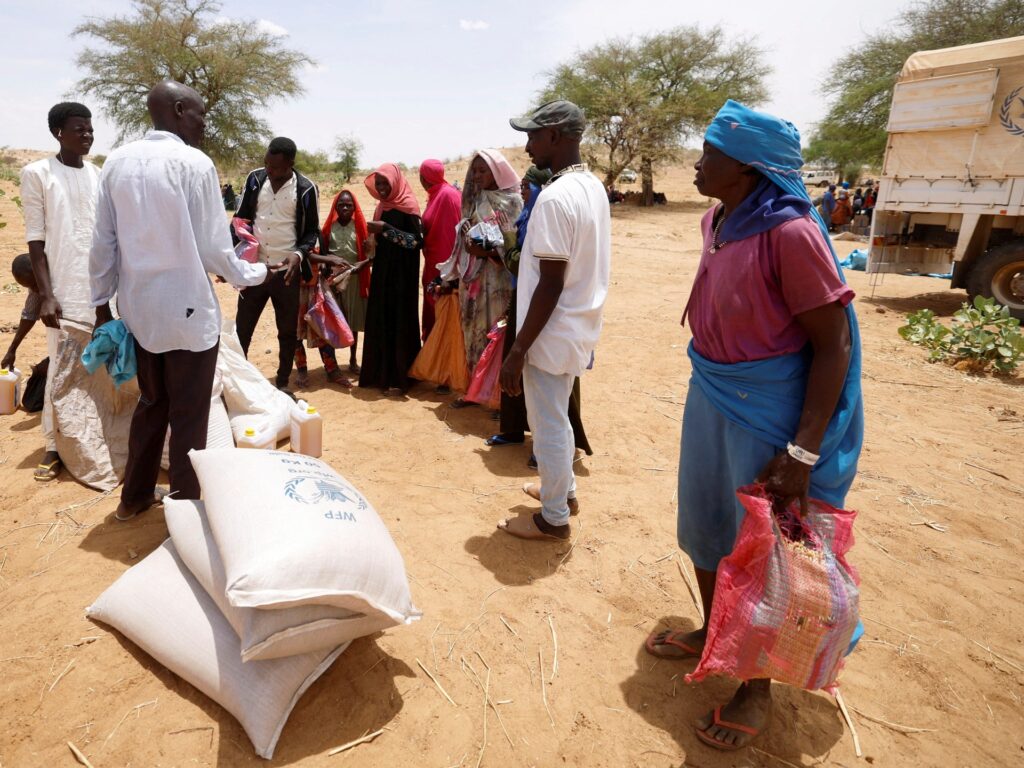
The human toll of the war has been equally devastating. Millions of people have been displaced from their homes, causing widespread misery and suffering. Internally displaced persons (IDPs) and refugees face dire living conditions in overcrowded camps with limited access to food, clean water, and medical care. The psychological trauma experienced by affected populations is immense, contributing to long-term societal challenges.
Economically, Sudan has suffered deeply. Prolonged conflict has led to the collapse of local markets and agricultural production, resulting in food insecurity and soaring poverty rates. The war has disrupted trade routes and deterred investment, further weakening the nation’s fragile economy. International aid and relief efforts are ongoing but are often hindered by insecurity and logistical challenges.
Politically, the civil war has eroded trust in governance and fueled instability. Divisions among political factions have deepened, making peace negotiations and national reconciliation efforts increasingly difficult. The absence of a stable government has complicated the delivery of humanitarian aid and the implementation of development projects.
Education, a cornerstone for any nation’s future, has been heavily impacted. Many children have been out of school for extended periods, with schools either destroyed or occupied by armed groups. This interruption threatens the development of a skilled workforce and perpetuates cycles of poverty and conflict.
The environment, too, has not been spared. Infrastructure damage and displacement have led to the overuse of natural resources in safer areas, causing deforestation, soil degradation, and water scarcity. These environmental issues further exacerbate the hardships faced by the population.
The international community remains engaged in efforts to mediate peace and provide humanitarian assistance. However, lasting stability in Sudan hinges on successful conflict resolution and coordinated support for rebuilding efforts.
In summary, the cost of Sudan’s civil war transcends immediate battlefield consequences. It represents a profound erosion of the country’s future, threatening generations to come with the legacy of destruction, displacement, and deprivation. Addressing the multifaceted impacts of the war requires comprehensive approaches that combine peacebuilding, economic recovery, and social rehabilitation to restore hope and opportunity for Sudan’s people.