Recent diplomatic efforts between the United States and Iran have encountered significant obstacles, primarily centered around Iran’s nuclear arms program, sanctions relief, and control over the strategic Strait of Hormuz. Tehran has firmly rejected the conditions set by the US concerning its nuclear arsenal, which has effectively stalled the progress of negotiations aimed at reaching a comprehensive agreement.
The US has been pushing for stringent measures to curb Iran’s nuclear capabilities, seeking assurances that Tehran will not develop nuclear weapons. However, Iran insists on the lifting of economic sanctions as a precondition and has been steadfast in maintaining its nuclear activities within what it claims are peaceful limits.
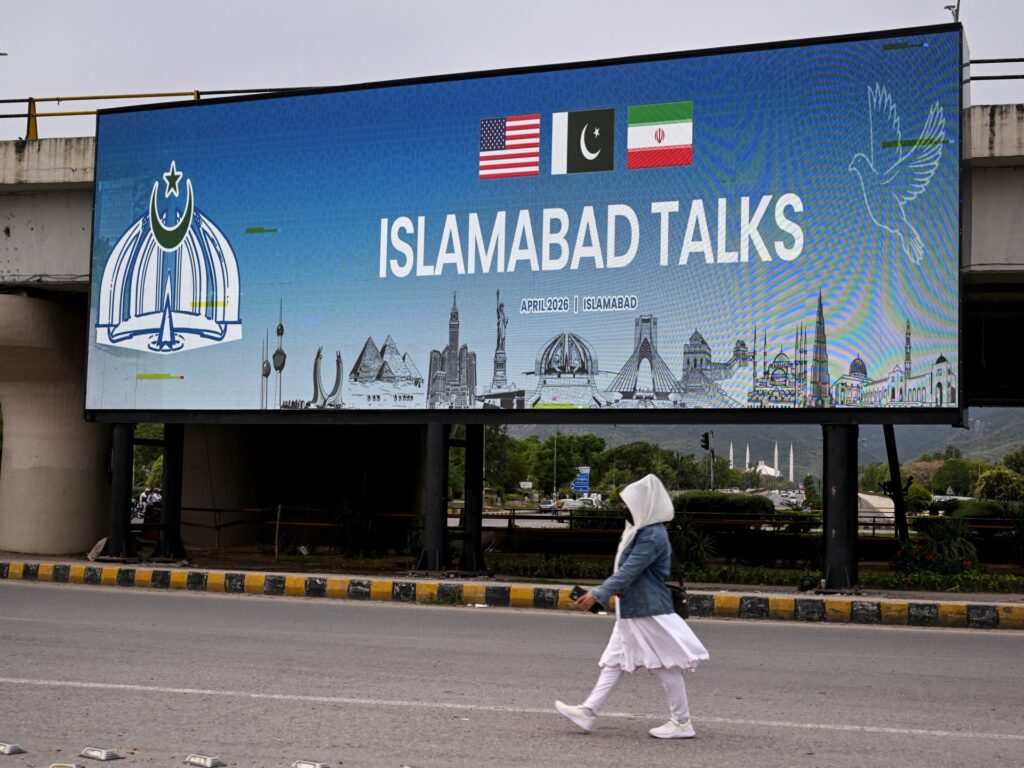
Complicating matters further, diplomatic talks involving Pakistan, where mediation efforts have been focused, have also reached a deadlock. Islamabad, acting as a mediator, has found itself at the center of competing interests, particularly regarding the control of the Strait of Hormuz—a vital maritime route through which a significant portion of the world’s oil supply passes.
The US demands stringent sanctions on Iran as leverage in negotiations, while Iran calls for relief from these sanctions to alleviate its economic hardships. This impasse has led to a stalemate, with neither side willing to concede on their key demands.
International observers note that the inability to find common ground threatens regional stability and global economic interests. The Strait of Hormuz’s control remains a pivotal issue given its strategic importance.
Efforts are ongoing to revive dialogue through backchannel communications and third-party mediation, but the path to a breakthrough remains fraught with challenges. Both Tehran and Washington exhibit cautious optimism yet realistic acknowledgment of the difficulties ahead.
The deadlock underscores the complexity of US-Iran relations, deeply entangled with broader geopolitical considerations, economic sanctions, and regional security concerns. Stakeholders continue to watch closely, hoping for a diplomatic resolution that balances security with economic and regional stability.