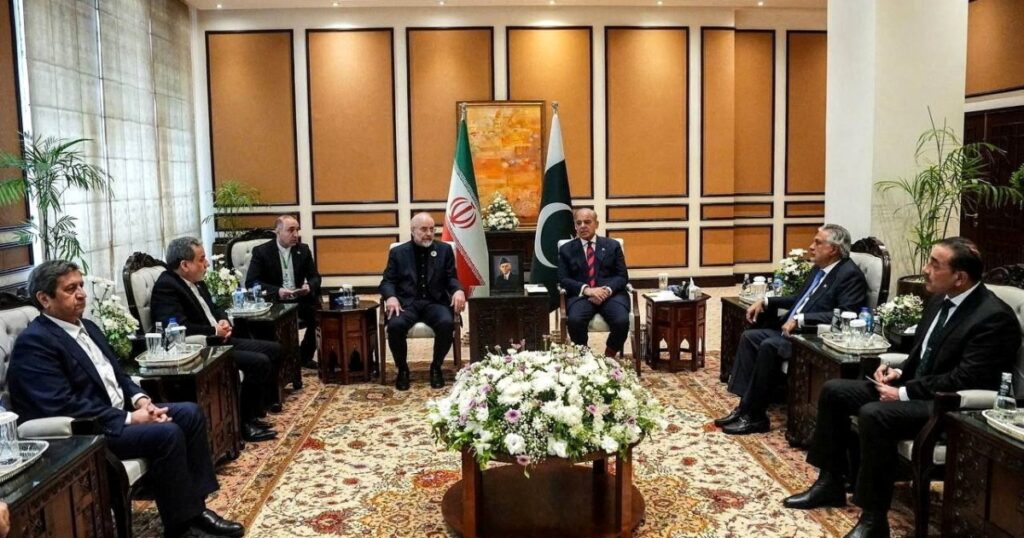
Pakistan’s Prime Minister is embarking on a significant diplomatic journey to Riyadh and Ankara, a move that coincides with the possibility of renewed US-Iran negotiations. This development comes at a crucial time as the international community closely watches the dynamics between the United States and Iran, which have long been fraught with tension and previous attempts at dialogue.
Sharif, the Prime Minister of Pakistan, is actively advocating for expanded negotiations, emphasizing Pakistan’s role as a mediator and its strategic interest in fostering peace and stability in the region. His diplomatic efforts are aimed at encouraging all parties to engage in constructive dialogue, potentially paving the way for eased tensions and improved bilateral relations.
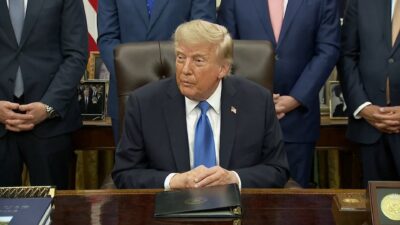
In a notable statement, former US President Donald Trump has indicated that talks could resume within the next two days, possibly in Pakistan. This suggestion underscores Pakistan’s growing importance as a venue for international diplomacy and its potential to serve as a neutral ground for sensitive discussions.
The backdrop to these developments includes a complex history of US-Iran relations, marked by economic sanctions, political confrontations, and intermittent diplomatic outreach. The prospect of talks resuming is seen by many as a positive step towards conflict resolution, provided that the negotiations address core issues such as nuclear development, regional security, and economic cooperation.
Pakistan’s engagement with Riyadh and Ankara is also strategically significant. Saudi Arabia and Turkey are influential players in Middle Eastern geopolitics, with vested interests in the outcome of US-Iran relations. By visiting these capitals, the Pakistani Prime Minister aims to garner support and possibly facilitate a broader coalition backing the negotiation process.
Observers note that Pakistan’s role could be pivotal, given its geographic proximity and historical ties with both Iran and the broader Muslim world. The country’s leadership is under pressure to leverage this position to contribute meaningfully to peace efforts, balancing regional alliances and international expectations.
In Riyadh, the Prime Minister is expected to discuss cooperation on security, trade, and political coordination. Saudi Arabia’s backing could prove crucial in aligning regional actors towards a common goal of de-escalation and stability.
In Ankara, the focus may include Turkey’s influence in regional affairs and its relations with Iran and the United States. Turkey’s mediator role in prior conflicts could provide valuable insights and support for ongoing talks.
As the international community anticipates developments, there is cautious optimism about the potential for renewed US-Iran negotiations to reduce hostilities and foster a new era of engagement. The coming days will be critical in determining whether these diplomatic efforts, led by Pakistan’s Prime Minister, can translate into substantive progress and a durable resolution.