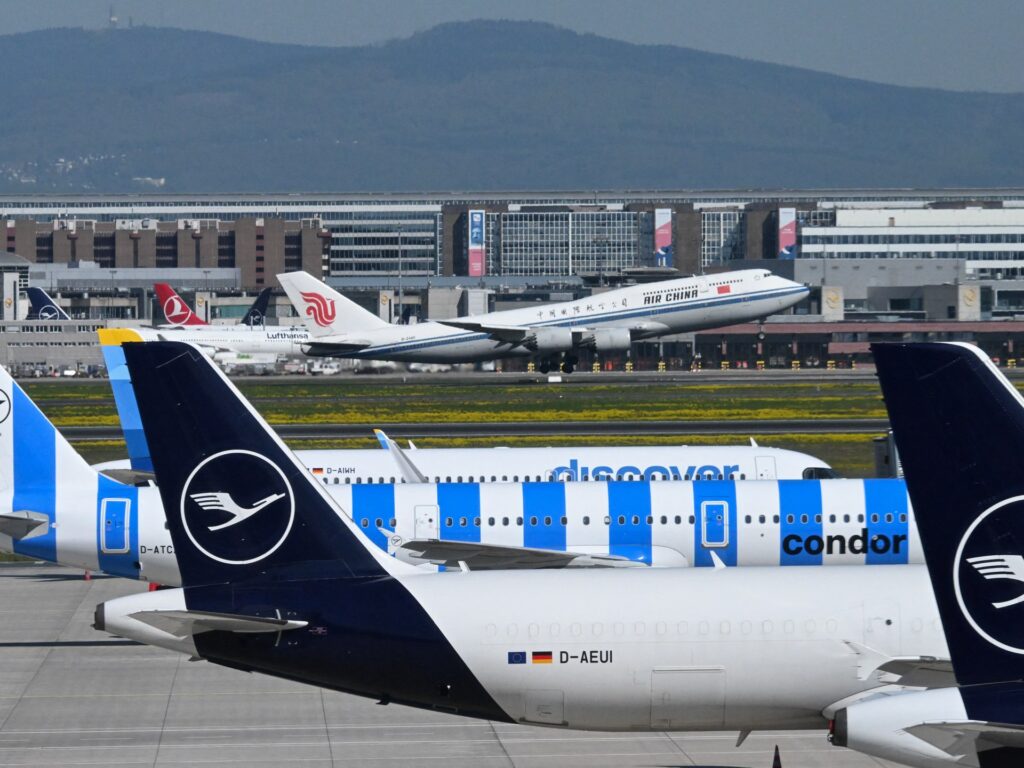
Lufthansa, the German airline, has announced a significant reduction in its flight schedule due to an acute jet fuel shortage exacerbated by the ongoing war in Iran. The airline plans to remove 20,000 short-haul flights from its schedule between now and October, impacting operations and passenger travel plans.
This drastic measure comes as tensions in the Middle East escalate, resulting in disrupted oil supplies and increased fuel prices globally. Airlines worldwide are facing challenges, but Lufthansa’s decision reflects the severity of the situation in Europe, where the airline operates some of its busiest routes.
The airline’s management cited the consequences of the conflict in Iran, particularly its impact on the availability and cost of jet fuel, as the primary reason for the overhaul. The jet fuel shortage has made it increasingly difficult for Lufthansa to maintain its previous flight frequencies without incurring unsustainable operational costs.
Lufthansa is focusing on managing its resources efficiently by prioritizing key routes and reducing services on less profitable or lower-demand flights. The cuts predominantly affect short-haul flights, which account for a considerable portion of the airline’s daily operations, thereby substantially reducing the overall number of flights offered to passengers.
This widespread reduction is expected to have ripple effects across the aviation industry, potentially increasing demand and ticket prices on alternate carriers or routes that remain operational. Passengers are advised to check the airline’s updated schedules and consider alternative travel arrangements where necessary.
The decision by Lufthansa underscores the broader impact of geopolitical conflicts on global supply chains and industries dependent on energy resources. Experts suggest that jet fuel shortages could persist if the conflict in Iran continues, putting further strain on airlines and possibly redirecting global travel patterns.
Lufthansa has expressed regret over the inconvenience to travelers and is working to minimize disruptions by providing support and alternatives for affected ticket holders. Customer service teams have been mobilized to assist passengers in rescheduling or modifying bookings with minimal complications.
The move also reflects ongoing uncertainties in the aviation sector as airlines recalibrate their strategies in response to fluctuating fuel supplies and geopolitical tensions. Observers will be watching closely to see how Lufthansa and other carriers adapt to this evolving challenge in the coming months.
Industry analysts note that while short-term pain is inevitable, airlines like Lufthansa are positioning themselves to weather the storm by optimizing operations and maintaining financial stability during turbulent times.
As the situation develops, travelers should remain vigilant about updates and prepare for possible further changes until a resolution to the Iran conflict and the jet fuel supply crisis is achieved.