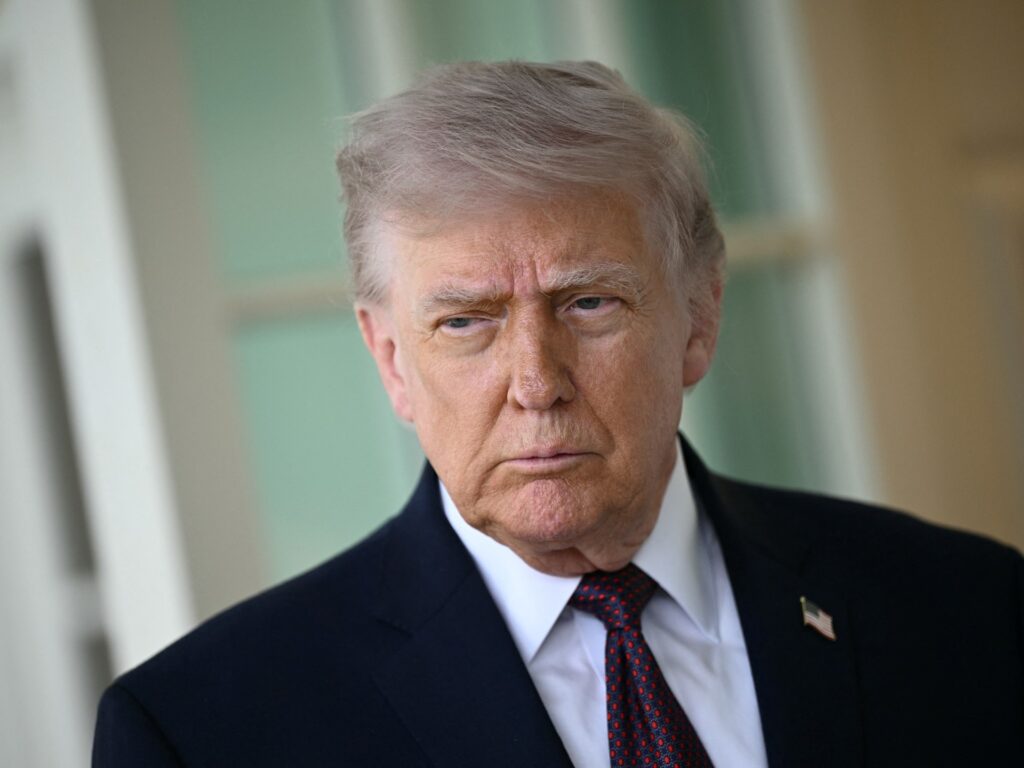
Former President Donald Trump has expressed that Iran is eager to reach a peace deal, stating that the country wants such an agreement “very badly.” This comment follows recent diplomatic talks held in Islamabad, which concluded without any formal agreement between the parties involved. Trump’s remarks indicate a complex situation where, despite a strong desire for peace, critical issues remain unresolved.
The key point in Trump’s statement was his insistence on Iran committing to “no nukes,” underscoring concerns about Iran’s nuclear ambitions. The international community has long been wary of Iran’s nuclear program, fearing the development of nuclear weapons could destabilize the region and trigger a broader conflict.
The Islamabad talks were aimed at addressing these tensions and potentially paving the way for a diplomatic resolution. However, the absence of an agreement suggests significant differences persist between Iran and other stakeholders, including the United States.
Trump’s comments highlight two main factors: Iran’s apparent willingness to negotiate peace, and the non-negotiable condition regarding nuclear disarmament or restriction. This duality reflects ongoing challenges in Middle East diplomacy, where security concerns frequently clash with broader diplomatic efforts.
Experts note that while Iran’s desire for peace might stem from economic pressures and international sanctions, its nuclear program remains a sensitive issue for both Iran and the global community. Efforts to incentivize Iran to halt or reduce nuclear activities have been met with mixed success, often complicated by mutual distrust and geopolitical rivalry.
The failure to reach an agreement during the Islamabad talks could mean continued instability and uncertainty in the region. It also places pressure on global powers to reassess their diplomatic strategies and consider other frameworks for negotiation.
Trump’s assertion about Iran’s interest in peace may reflect a strategic perspective aimed at encouraging further dialogue, while simultaneously emphasizing the importance of nuclear non-proliferation. His stance captures the delicate balancing act in international relations — promoting peace without compromising on security concerns.
Looking forward, the international community will likely watch closely for any shifts in Iran’s diplomatic stance or policy adjustments that might facilitate a more concrete peace agreement. The challenge remains to bridge the gap between Iran’s ambitions and global security interests.
Ultimately, the situation underscores the intricacies of Middle Eastern politics and the critical role of diplomacy in managing conflict and fostering stability. The road to peace, as suggested by recent developments, remains fraught with difficulties but is not beyond reach. Continued engagement and careful negotiation are essential to achieving a sustainable resolution that addresses both Iran’s aspirations and the legitimate concerns of the international community.