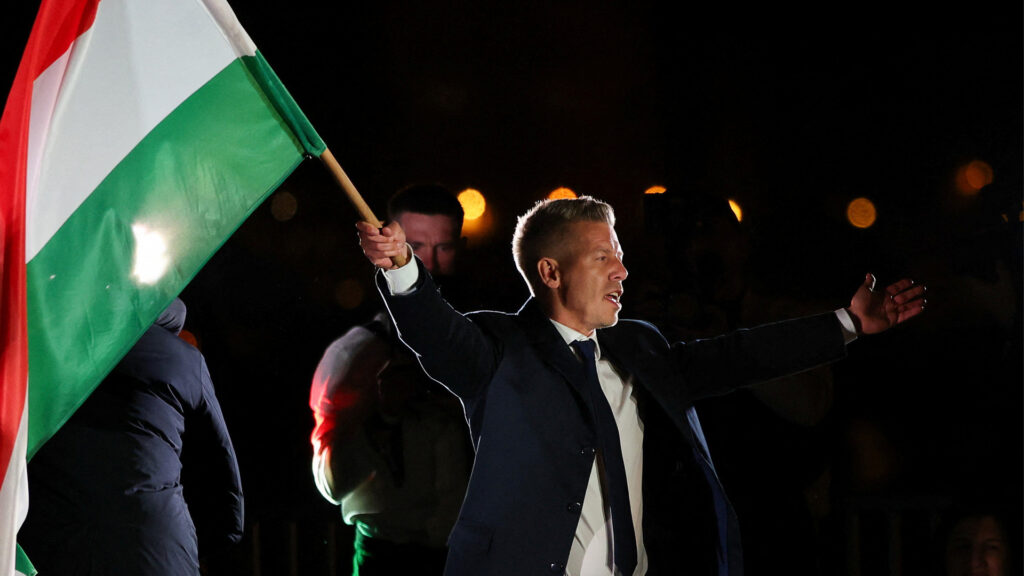
In a monumental shift in Hungarian politics, Peter Magyar has emerged victorious in the recent national election, marking the end of Viktor Orban’s long-standing leadership. Magyar’s win is being hailed by supporters as a liberation of Hungary from Orban’s nationalist rule that has defined the country for over a decade.
Peter Magyar, a centrist candidate, campaigned on a platform of democratic restoration, economic reform, and re-engagement with the European Union, promising to reverse many of Orban’s policies which critics described as authoritarian and divisive. His victory is seen as a referendum on Orban’s style of governance, which has polarized the nation and attracted criticism internationally for undermining democratic institutions.
Viktor Orban, who served as Prime Minister since 2010, built his political identity around nationalism, conservative social policies, and skepticism toward the EU. His government was also known for consolidating media control and curtailing judicial independence. Supporters credit him with Hungary’s economic stability and assertive foreign policy, but opponents argue his tenure eroded democratic norms.
Magyar’s win was secured with a clear majority, reflecting widespread desire among Hungarians for change. His campaign appealed to voters tired of political strife, economic uncertainty, and international isolation.
The election saw a high voter turnout, indicating strong public engagement. International observers have praised the election process as free and fair, noting the peaceful transfer of power.
In his victory speech, Peter Magyar spoke of unity, healing, and the promise of a new chapter for Hungary. He emphasized the importance of maintaining relations with the EU and restoring the rule of law.
Political analysts suggest that Magyar faces significant challenges ahead, including navigating a polarized parliament and addressing economic issues exacerbated by global uncertainties. However, his leadership represents a hopeful turning point for many Hungarians.
The international community has welcomed the election results. European leaders expressed optimism about renewed cooperation with Hungary under Magyar’s administration.
Peter Magyar’s election symbolizes a broader trend in Eastern Europe, where voters are increasingly seeking alternatives to nationalist populist governments.
Hungary’s future under Magyar is expected to see policy shifts towards greater transparency, investment in innovation, and strengthened democratic institutions.
This historic election marks a pivotal moment for Hungary, potentially altering its path on both the domestic and international stages for years to come.