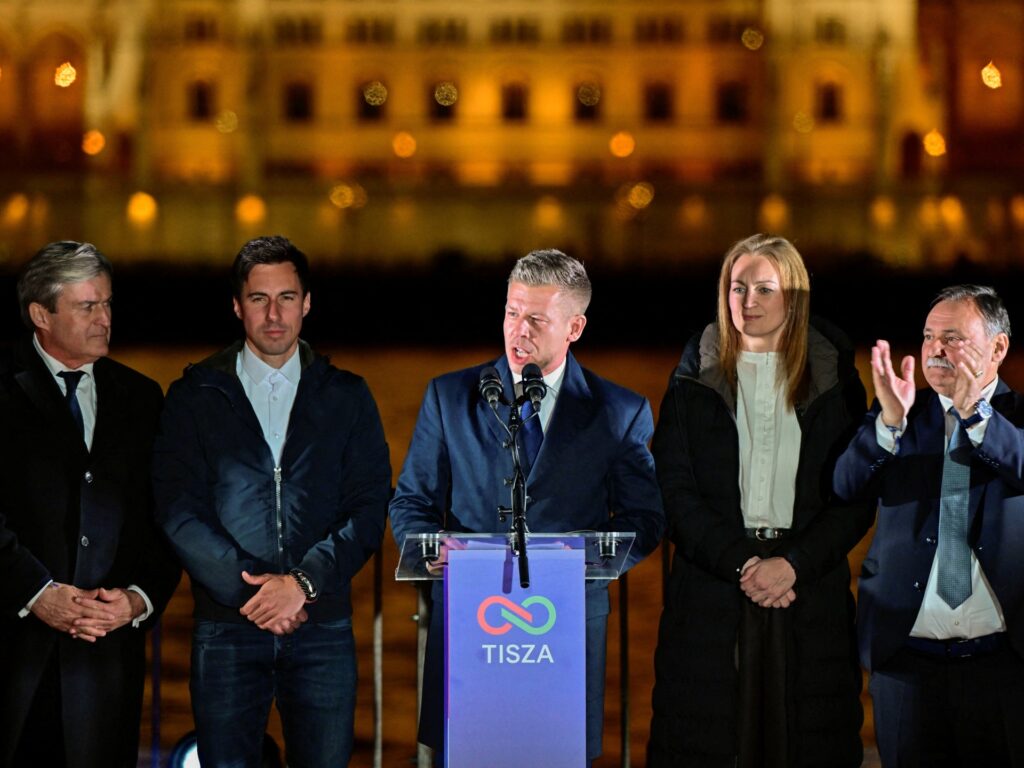
In a landmark political shift, Peter Magyar, representing the centre-right Tisza party, has won the recent Hungarian general election, effectively ending Viktor Orban’s 16-year tenure as Prime Minister. Magyar’s party secured a commanding two-thirds majority in the Hungarian parliament, a significant threshold that grants it the power to amend the country’s constitution.
The election results mark a dramatic change in Hungary’s political landscape. Viktor Orban, leader of the Fidesz party, has been a dominant figure in Hungarian politics since 2010, implementing policies that have sparked controversy both domestically and internationally. His rule has been characterized by a strong nationalist stance, economic reforms, and significant changes to Hungary’s legal and constitutional framework.
The Tisza party’s victory means a new chapter for Hungary’s governance and political direction. With a two-thirds majority, Peter Magyar and his allies possess the constitutional authority to enact far-reaching legal changes, potentially reversing or altering the reforms introduced during Orban’s administration.
This win reflects a shift in public sentiment, signaling a desire for change after more than a decade and a half under Orban’s leadership. Analysts suggest that Magyar’s campaign focused on promising greater political transparency, strengthening democratic institutions, and fostering economic growth through integration with broader European policies.
The implications of this political change are profound. Hungary’s role in the European Union, its domestic policies, and international relations may undergo significant transformation. Magyar’s government is expected to prioritize the rule of law, media freedom, and judicial independence—areas critics argue were undermined under the previous administration.
Moreover, the electoral victory by the Tisza party sets a precedent in Hungarian politics, demonstrating that long-standing political dominance can be challenged successfully through democratic processes. It also underscores the vibrancy of Hungary’s electoral system and the active engagement of its citizenry in shaping their country’s future.
Following the election results, Peter Magyar addressed the nation, emphasizing unity and the importance of inclusive governance. He pledged to work diligently to heal political divisions and to promote policies that would benefit all Hungarians.
International observers have welcomed the peaceful transition of power, viewing it as a positive step for democracy in Central Europe. The international community will be closely monitoring Hungary’s policy shifts, particularly concerning issues like judicial reform, media freedom, and Hungary’s commitment to EU values.
The election outcome reinforces the significance of electoral accountability and the dynamic nature of democratic governance. As Hungary embarks on this new political journey under Peter Magyar’s leadership, both national and international stakeholders anticipate meaningful reforms and a renewed commitment to democratic principles.