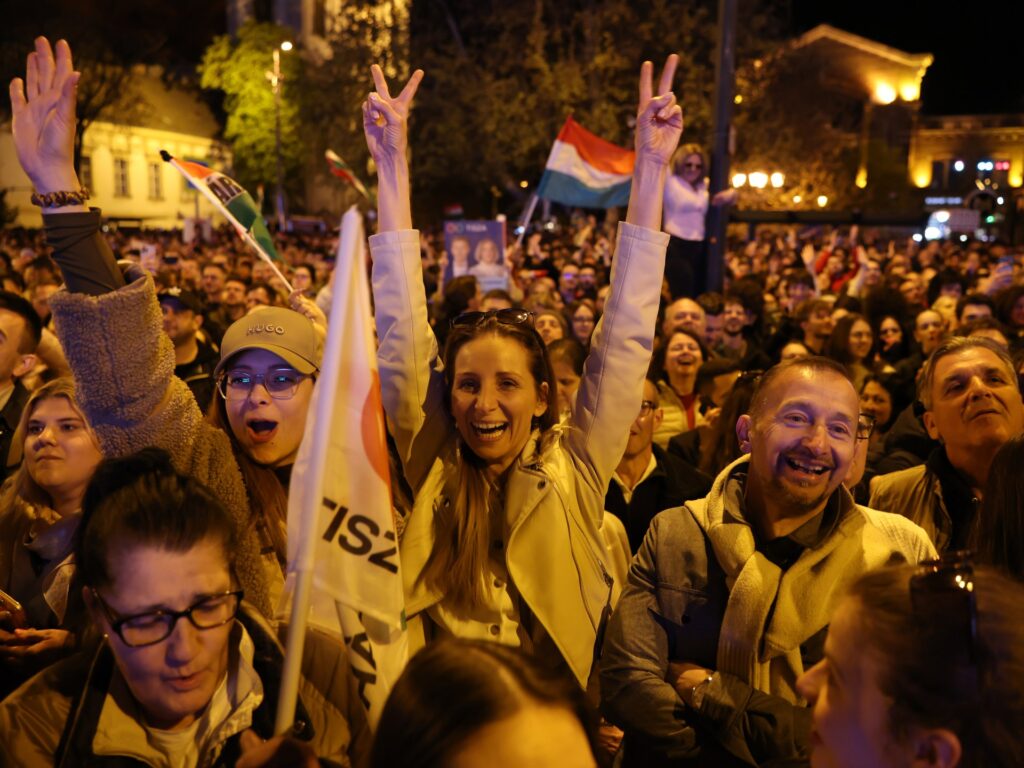
In a surprising turn of events, Peter Magyar has defeated Viktor Orban, Hungary’s longtime Prime Minister, marking a significant political shift in the country. Early election results indicate that Orban’s party, Fidesz, has lost its parliamentary majority, prompting Orban to concede defeat.
Orban, who has been a dominant figure in Hungarian politics for over a decade, signaled the end of an era. His governance was often characterized by nationalist policies and a tough stance on immigration, which polarized both domestic and international opinion.
Peter Magyar’s victory is being hailed as a major democratic milestone by supporters and observers worldwide. This election marks a potential change in direction for Hungary, with expectations that Magyar will pursue more liberal, pro-European Union policies, contrasting with Orban’s more nationalist agenda.
International reactions have been swift. European leaders expressed cautious optimism about the new political landscape in Hungary. Many hope this change will lead to improved relations between Hungary and the EU, which had been strained under Orban’s administration due to disagreements over rule of law and democratic standards.
In the United States, officials welcomed the electoral outcome, emphasizing support for democratic processes and reinforcing alliances with Hungary.
Analysts suggest that Magyar’s win might influence broader political trends in Central and Eastern Europe, where nationalist and populist movements have gained traction in recent years. The defeat of a prominent figure like Orban could inspire similar political developments in neighboring countries.
Domestically, Hungarians are experiencing a mix of emotions—hope for progressive reforms and uncertainty about the future political landscape. Magyar has promised to focus on economic development, transparency, and strengthening democratic institutions.
The media coverage worldwide highlights the surprising nature of the defeat, given Orban’s long-standing control over Hungarian politics. Many reports reflect on the impact of grassroots campaigns and the strategic coalition-building efforts that led to Magyar’s success.
Political experts emphasize the importance of this transition period in determining how effectively Magyar can implement his vision and manage opposition from Fidesz loyalists.
This historic election outcome will likely be studied as a crucial moment of democratic change in Hungary, with potential ripple effects across the region and beyond.