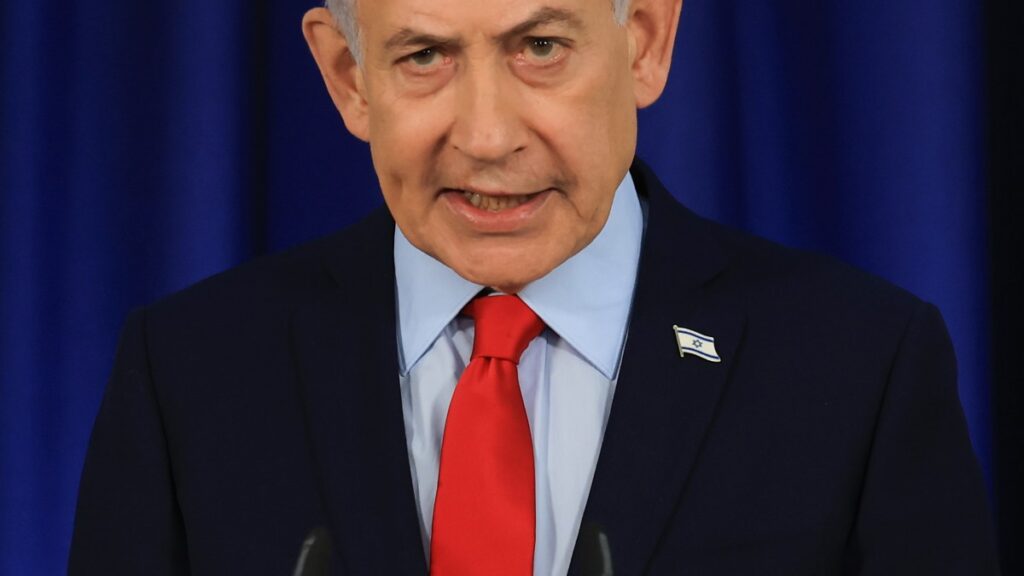
In a significant diplomatic move, Israeli Prime Minister Benjamin Netanyahu has removed Spain from the Gaza coordination centre, citing what he described as Spain’s ‘hostility’ toward Israel. This action marks a sharp escalation in tensions between the two nations and highlights the complex dynamics in the region.
The Gaza coordination centre plays a crucial role in managing and facilitating various humanitarian and security operations in the Gaza Strip, an area marked by ongoing conflict and sensitive geopolitical interests. Spain’s removal signifies a strain in international cooperation efforts aimed at stability and peace in the region.
Netanyahu accused Spain of engaging in a ‘diplomatic war’ against Israel, implying that Spain’s actions and rhetoric were undermining Israel’s position and interests on the global stage. This rhetoric reflects the deepening discord over policies, narratives, and alliances concerning the Israeli-Palestinian conflict.
The Spanish government has not yet publicly responded to Netanyahu’s announcement, but diplomatic sources suggest that Spain views the move as a setback to collaborative peace efforts and an unnecessary escalation. Spain has traditionally supported humanitarian initiatives in Gaza and advocated for dialogue and a two-state solution.
International observers warn that this development could complicate coordination efforts that are vital for ensuring aid delivery and mediation between conflicting parties in Gaza. The removal might also impact Spain’s relationships with other Middle Eastern countries and its standing within the European Union concerning the Middle East policies.
Netanyahu’s decision comes amid broader geopolitical shifts and ongoing ventures by Israel to reinforce its security and diplomatic posture in the region. The move may be seen as part of a wider strategy to recalibrate alliances and assert Israel’s sovereignty in managing Gaza-related affairs.
Experts note that the escalation could limit Spain’s role as a mediator in Middle Eastern conflicts, reducing its influence and possibly affecting its diplomatic ties with Israel and its allies. The situation underscores the fragile nature of international cooperation efforts where geopolitical and diplomatic tensions frequently intersect.
The Gaza coordination centre’s future operations remain uncertain as Israel seeks to redefine its partnerships and strategic alignments. Stakeholders within the international community are calling for dialogue to prevent further deterioration of relations and to maintain channels necessary for humanitarian and security coordination in Gaza.
This incident exemplifies the challenging diplomatic terrain surrounding Israel and Spain’s interactions and the broader implications these bilateral relations have on regional and international peace efforts. As both countries navigate the fallout, the global community watches closely for developments that could influence the fragile balance in the Middle East.