In a recent development highlighting ongoing geopolitical tensions in the Middle East, British Prime Minister Keir Starmer and former US President Donald Trump engaged in discussions centered on military strategies aimed at reopening the Strait of Hormuz. This strategic waterway, crucial for global oil transportation, has been a focal point of international concern due to frequent blockades and heightened military activity.
The Strait of Hormuz serves as a vital maritime chokepoint, through which a significant portion of the world’s petroleum passes. Disruptions in this region pose serious risks to global energy supplies and economic stability. Recognizing the gravity of the situation, both leaders addressed potential military capabilities that could be deployed to ensure safe and uninterrupted passage through the strait.
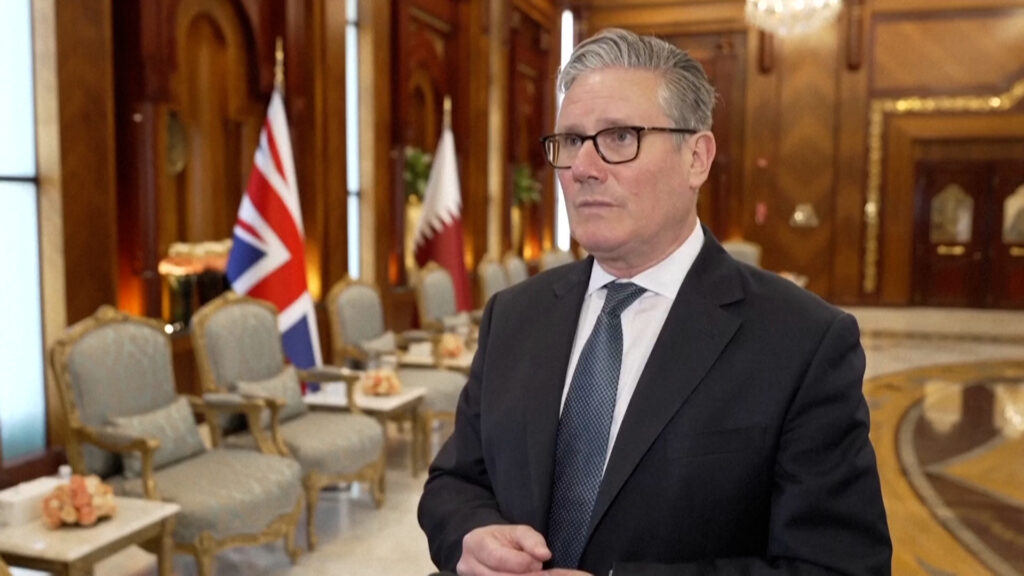
British Prime Minister Starmer emphasized that the talks underscored the necessity of a strong and coordinated international response to secure this critical passage. The discussions included assessments of current naval assets, potential deployment of forces, and the strategic implications of various military options.
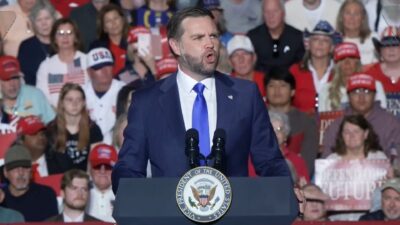
Meanwhile, Donald Trump expressed his support for a proactive stance to counter threats that jeopardize the free flow of commerce through the region. He highlighted the importance of demonstrating military readiness and resolve, signaling that any hostile actions affecting the strait would be met with decisive responses.
This dialogue between the UK and the US marks a significant step towards coordinated efforts to address the challenges posed by instability in the Persian Gulf. Analysts suggest that such high-level conversations could pave the way for joint military operations or enhanced naval patrols to maintain open sea lanes.
The context behind these discussions includes ongoing tensions with Iran, which has previously threatened to close the strait in response to economic sanctions and military confrontations. The potential for escalating conflict has alarmed global powers, prompting urgent talks among allied nations.
The British and American administrations are reportedly exploring various military scenarios, including the deployment of additional warships, drone surveillance, and increased intelligence sharing. These measures aim to deter aggressive actions and reassure allies reliant on the strait for energy imports.
Critics caution that a militarized approach could exacerbate regional tensions and advocate for diplomatic solutions alongside any defensive preparations. Nonetheless, the strategic importance of the Strait of Hormuz continues to compel major global players to consider all options for maintaining security and stability.
As the situation develops, the international community watches closely to see how Britain and the US will navigate this complex challenge. The outcomes of these military discussions could have far-reaching effects on global trade, security alliances, and the broader Middle East geopolitical landscape.
In summary, the talks between Prime Minister Starmer and former President Trump represent a critical dialogue on ensuring the Strait of Hormuz remains accessible and secure amidst ongoing regional uncertainties. Their emphasis on military capabilities reflects a shared commitment to safeguarding this key maritime route, which is indispensable to the world economy and global energy markets.