The United Nations has issued a stark warning regarding the potential consequences of a US-Israeli military conflict with Iran. According to the UN, such a war would likely result in severe global economic and humanitarian repercussions, potentially pushing as many as 30 million people back into poverty.
One of the main concerns highlighted by the United Nations Development Programme (UNDP) chief is the disruption of critical fuel and fertiliser supplies. The key geographical chokepoint in this scenario is the Strait of Hormuz, a vital artery for global oil shipments. In the event of a war, closure or disruption of this passage could severely limit the availability of these essential resources.
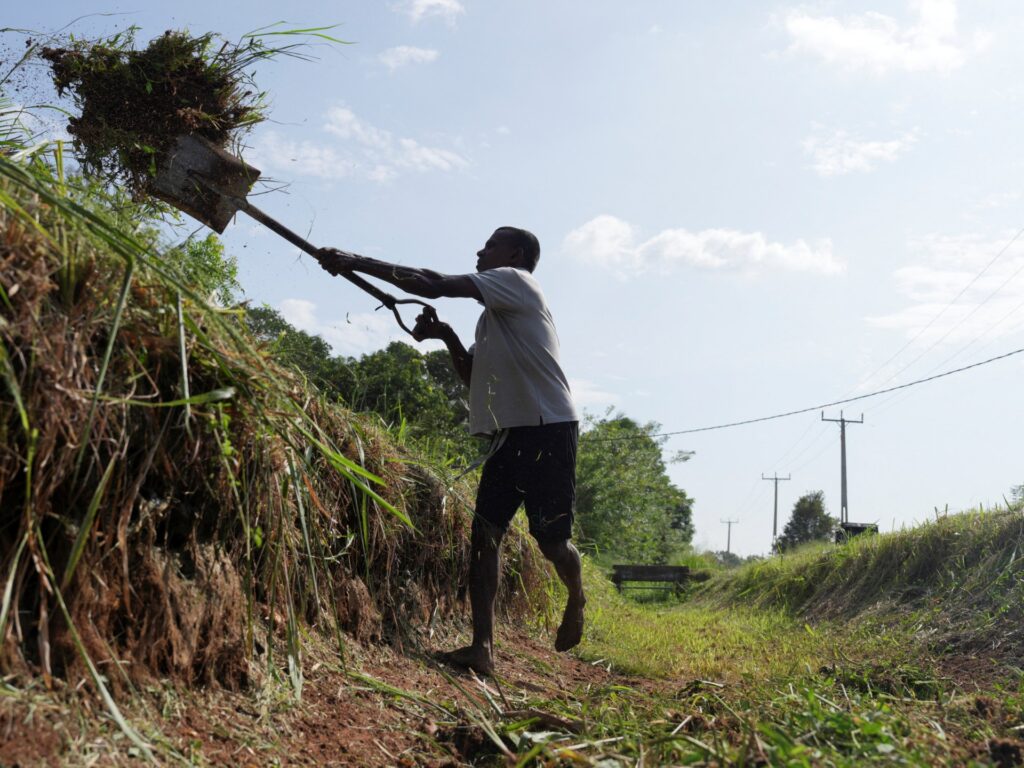
Fuel shortages would have a cascading effect on the agricultural sector, as the transportation of goods and the operation of farm machinery depends heavily on fuel availability. Additionally, fertilisers, which are crucial for maintaining and increasing crop yields, would become scarce. This scarcity would directly impact crop production across many regions, leading to lower agricultural output and food insecurity.
The UNDP chief emphasized that the disruption to fuel and fertiliser supplies would hit crop yields significantly, deepening poverty levels especially in vulnerable populations who rely heavily on agriculture for their livelihoods. The economic downturn driven by rising food prices and scarcity could reverse development gains achieved in recent years.
This warning underscores the interconnected nature of global stability, energy supplies, agriculture, and poverty levels. While the geopolitical tension surrounding the Iran-US-Israeli relationship remains complex, the long-term humanitarian and economic costs of conflict could be devastating, not just to the countries involved but globally.
The United Nations continues to urge diplomatic efforts and conflict resolution to prevent any military escalation in the region. The emphasis remains on dialogue and cooperation to ensure the uninterrupted flow of fuel and fertilisers, essential to sustaining global food security and economic stability.
In summary, a potential war involving the US and Israel against Iran poses a significant risk to global supply chains and food production, threatening to push millions back into poverty and reversing years of progress in development worldwide. The international community faces a crucial moment in managing tensions to avoid widespread hardship and instability.