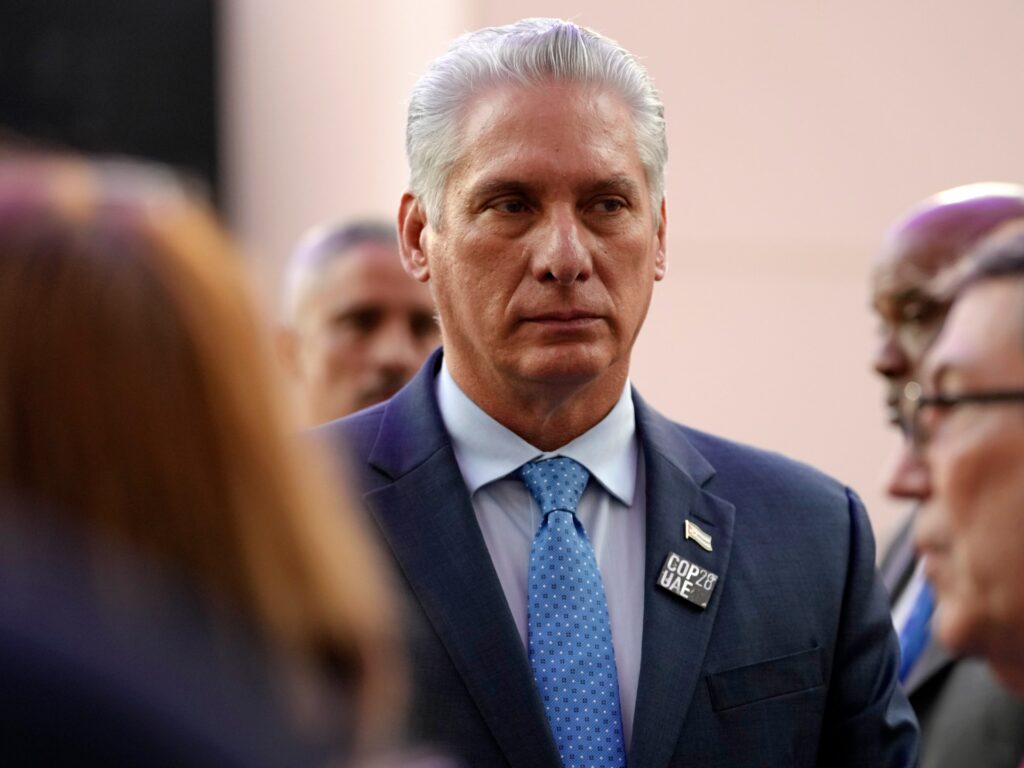
In a dramatic escalation of US-Cuba tensions, Cuban President Miguel Diaz-Canel has publicly vowed to resist mounting pressure from the United States, led by former President Donald Trump, who has tightened economic blockades and increased threats calling for Diaz-Canel’s resignation. Despite facing intensified sanctions, including a stringent oil blockade aimed at crippling Cuba’s economy, Diaz-Canel remains resolute in his stance, signaling a refusal to yield to external demands.
The situation traces back to longstanding geopolitical frictions between Cuba and the United States, rooted in historical conflicts and ideological differences. Trump administration’s recent moves mark a significant heightening of measures designed to isolate Cuba economically, particularly targeting vital resources such as energy supplies.
Diaz-Canel addressed the nation in a televised speech, emphasizing national sovereignty and Cuba’s commitment to self-reliance in the face of what he described as aggressive US interference. He accused the US of exacerbating hardships for ordinary Cubans by enforcing tight restrictions that limit access to essential goods and services.
International analysts note that the oil blockade, a pivotal element of the US strategy, directly threatens Cuba’s energy sector, which is critical for transportation, electricity, and daily life. Cutting off fuel supplies increases risks of power outages and impacts agricultural production, potentially sparking broader social unrest.
However, Diaz-Canel’s government has declared plans to seek alternative energy partnerships and intensify domestic production efforts to mitigate the effect of sanctions. The Cuban leader called for unity among citizens and allied nations to resist what he termed “economic warfare” designed to undermine Cuba’s revolution and sovereignty.
US officials defended the measures as necessary to compel political reform and democratization in Cuba. Trump and his allies argue that sustained pressure will force the Cuban government to reconsider its policies and leadership.
The international community remains divided, with some countries criticizing the US for exacerbating humanitarian issues in Cuba, while others support efforts to promote democratic change. The tightening blockade has raised concerns about escalating regional instability and the potential for humanitarian crises.
As the standoff continues, the Cuban population faces growing economic hardships due to shortages of fuel, food, and medical supplies. Human rights organizations have called for dialogue and easing of tensions to prevent further suffering.
This evolving crisis underscores the fragile state of US-Cuba relations and the enduring complexity of addressing ideological conflicts through economic coercion. Diaz-Canel’s defiant response signals that Cuba will not easily succumb to external pressure, setting the stage for continued confrontation and diplomatic uncertainty in the region.