Lebanon stands at a crossroads as it prepares for highly anticipated and contentious talks with Israel. The nation is deeply divided regarding how to approach the longstanding conflict with its southern neighbor, reflecting contrasting political opinions and strategic interests within Lebanese society.
At the heart of this division is Hezbollah, the powerful Shiite militant group and political party that supports an armed response as the primary way to address disputes with Israel. Hezbollah’s narrative, emphasizing resistance and military strength, resonates with segments of the Lebanese population who view armed defense as a matter of national pride and security.
Opposing views within Lebanon call for diplomatic engagement and negotiations aimed at de-escalation to bring about a sustainable peace. Advocates for dialogue argue that armed confrontations lead to cycles of violence, which have resulted in devastating losses on both sides. They stress the importance of diplomacy and international mediation to resolve border disputes and security concerns.
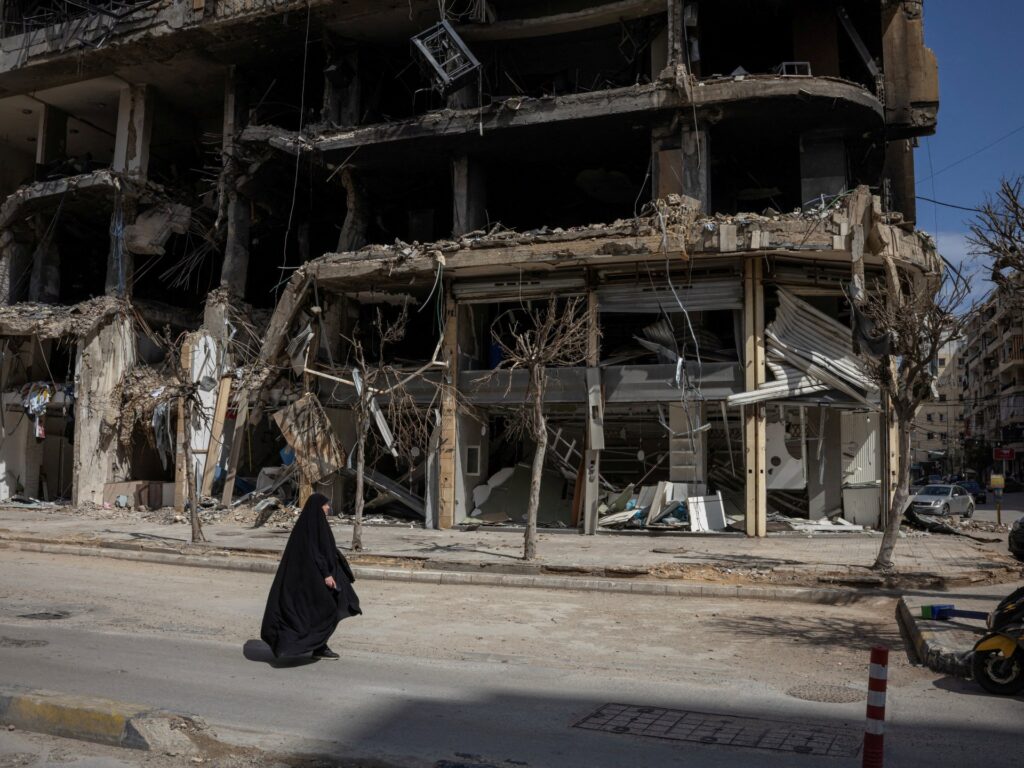
The upcoming talks are expected to center on contentious topics such as border delineation, security guarantees, and repercussions from past conflicts, including Israeli airstrikes and Hezbollah’s armed activities. Both national and international actors are closely following preparations for the negotiations, recognizing their potential to reshape regional dynamics.
Lebanese officials express cautious optimism about the dialogue, emphasizing the need for a unified national position to maximize the chances of successful outcomes. However, internal disagreements pose significant challenges to achieving a consensus.
Economic instability and the humanitarian impact of ongoing tensions also weigh heavily on public opinion in Lebanon. Many citizens are eager for a resolution to conflict, hoping that peace talks could alleviate some of the country’s economic hardships and improve regional relations.
Meanwhile, the international community urges restraint from both Lebanon and Israel to prevent accidental escalation. Diplomatic efforts from the United Nations and allied countries aim to foster communication channels to avoid misunderstandings and to support the peace process.
Ultimately, Lebanon faces a complex mixture of historical grievances, strategic interests, and diverse public opinions as it navigates the road toward potential negotiations with Israel. How these talks unfold will likely influence the broader Middle East geopolitical landscape for years to come.