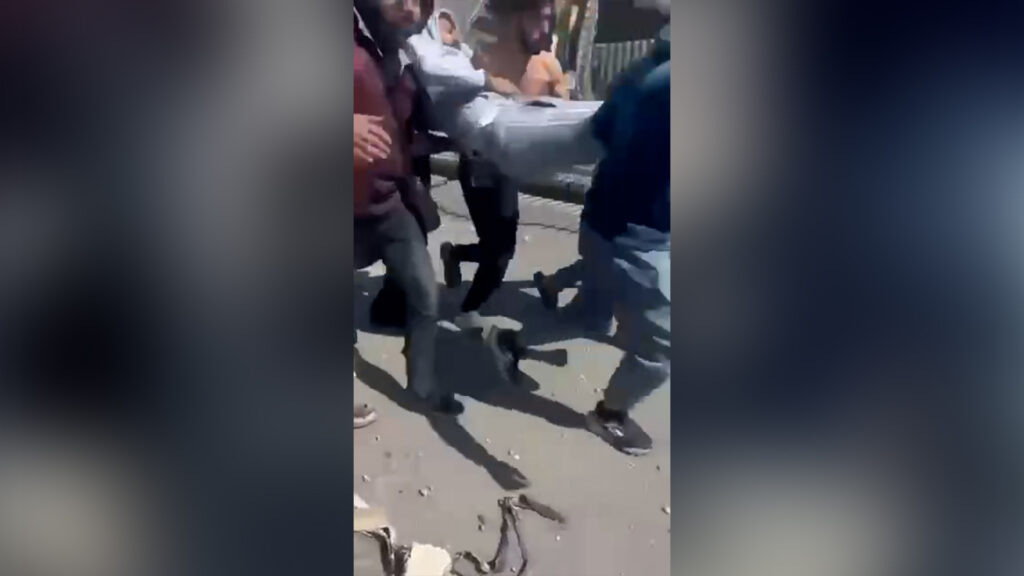
In recent events, Beirut, the capital city of Lebanon, has witnessed widespread chaos and destruction following a series of military attacks carried out by Israeli forces. Videos emerging from the ground paint a grim picture, capturing scenes of devastation and turmoil that have left residents shaken and communities devastated.
The Israeli military launched an extensive bombardment campaign targeting various locations within Lebanon, including densely populated areas in Beirut. The attacks have resulted in significant structural damage to buildings, infrastructure, and homes, disrupting the daily lives of countless civilians.
Witnesses on the scene described moments of panic and fear as explosions rocked the city, sending plumes of smoke spiraling into the sky. Emergency services have been overwhelmed, working tirelessly to rescue survivors from the rubble and provide aid to the injured.
International responses have been swift, with many expressing deep concern over the escalating conflict and calling for immediate de-escalation to prevent further loss of life and destruction. Humanitarian organizations are mobilizing to deliver essential supplies and medical assistance to those affected by the attacks.
The historical context of tension between Israel and Lebanon adds layers of complexity to the situation, with this recent surge in violence marking one of the most intense periods of conflict in recent years. The ramifications of the bombardment are likely to have lasting impacts on the geopolitical dynamics within the region.
Residents of Beirut and surrounding areas are grappling with the aftermath, as they face the daunting task of recovery amid ongoing security concerns. The destruction has not only physical but also psychological effects, with many families displaced and communities fractured.
Efforts towards peace and reconciliation remain crucial as the international community seeks pathways to resolve the conflict. Meanwhile, the people caught in this crisis continue to endure the consequences of violence, hoping for a swift end to the hostilities and a return to normalcy.
This evolving situation demands close attention, with humanitarian aid and diplomatic interventions playing vital roles in addressing the urgent needs on the ground and fostering long-term stability in the region.