Tensions in the Middle East have escalated dramatically as Israel has launched its largest attack on Lebanon to date, despite ongoing ceasefire claims between the United States and Iran. This latest military action marks a significant development in the region, raising concern over the fragile peace and the potential for further conflict.
The backdrop to this escalation is a tenuous ceasefire reported by both the US and Iran, which has been presented as a victory by the two nations ahead of upcoming talks scheduled to take place in Islamabad. These negotiations are expected to focus on easing tensions and exploring diplomatic solutions to longstanding conflicts in the region.
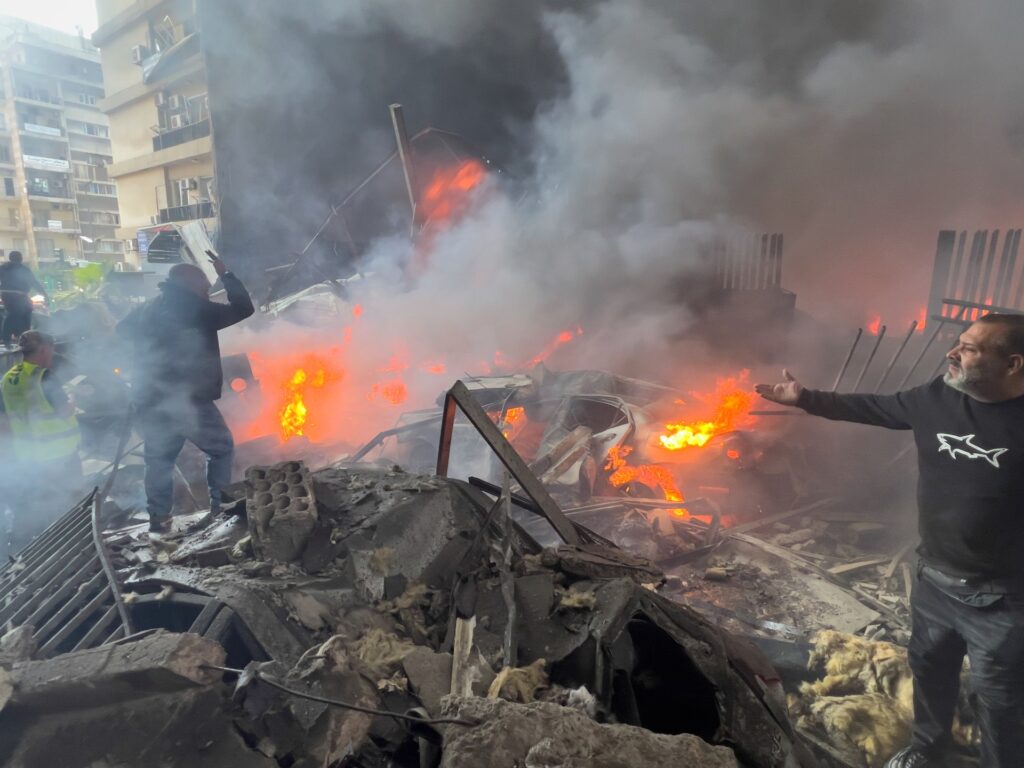
According to sources, Israel’s offensive targeted multiple strategic locations in Lebanon, aiming to neutralize what it described as imminent threats from Hezbollah and other militant groups operating along the Lebanese-Israeli border. The strikes resulted in significant damage to infrastructure but have also raised alarms about civilian casualties.
The United States and Iran have both touted the ceasefire as a diplomatic success, signaling willingness to engage in dialogue despite deep-seated differences. This agreement is seen as a crucial step towards de-escalation, yet the timing of Israel’s attack complicates the situation, potentially undermining trust between the involved parties.
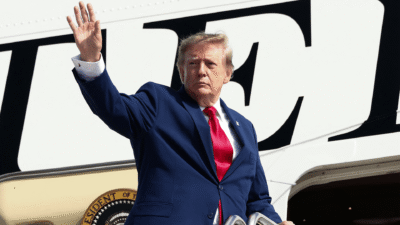
Former US President Donald Trump has weighed in on the situation, setting forth his conditions for any future agreement between the US and Iran. Trump emphasized the need for Iran to halt its nuclear ambitions and reduce support for militant proxy groups as prerequisites for sustained peace, reiterating a hardline stance.
As the international community watches closely, the upcoming talks in Islamabad carry great significance. Diplomatic efforts aim to address not only the immediate ceasefire but also the broader issues fueling conflict in the Middle East, including nuclear proliferation, territorial disputes, and regional power struggles.
Experts warn that without careful negotiation and mutual concessions, the region risks sliding into a wider conflict that could draw in multiple nations and destabilize global security. The contrasting claims of victory between the US and Iran illustrate the complexities involved in achieving lasting peace.
Meanwhile, humanitarian organizations have called for urgent aid to affected areas in Lebanon, highlighting the plight of civilians caught in the crossfire. Efforts to provide medical assistance, food, and shelter are underway, but the situation remains precarious.
In summary, Israel’s largest attack on Lebanon amid a fragile US-Iran ceasefire underscores the volatility of the Middle East. The upcoming Islamabad talks present a critical opportunity for diplomacy to prevail over conflict, but much hinges on the willingness of all parties to engage in honest dialogue and compromise. The world awaits the outcome with cautious optimism, hoping for a reduction in hostilities and a path toward peaceful coexistence.