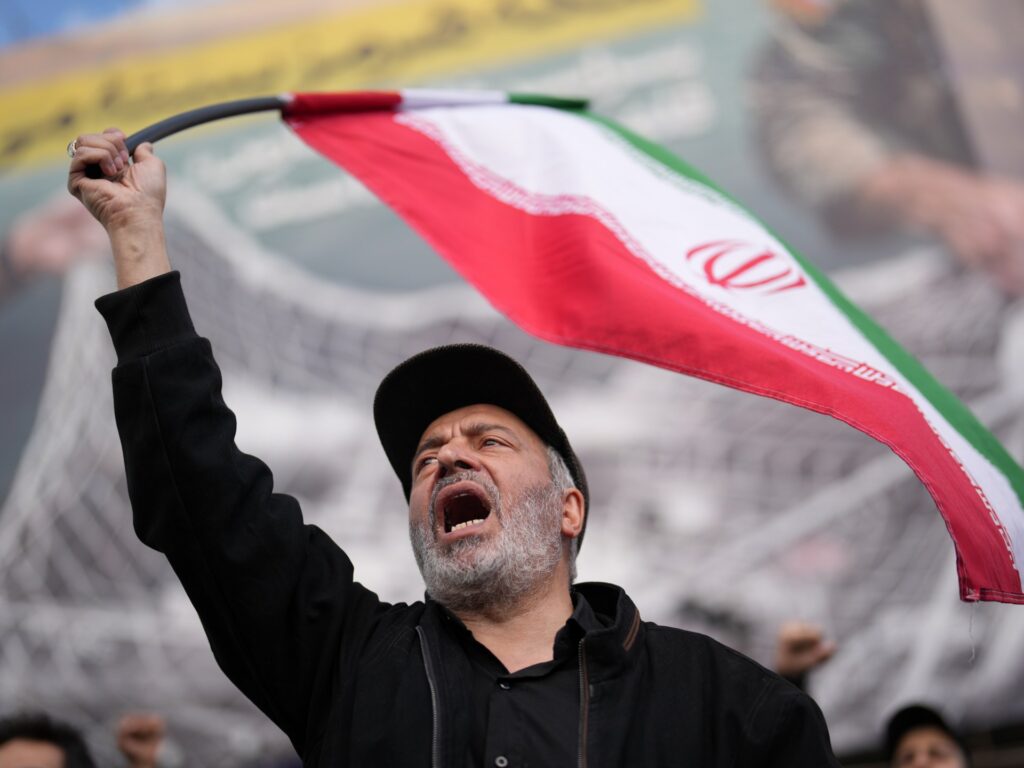
In a significant development in Middle Eastern geopolitics, the Gulf Cooperation Council (GCC) countries alongside other nations in the region have issued welcoming statements following the announcement of a temporary ceasefire between Iran and the United States. This ceasefire marks a critical pause in hostilities that have caused widespread concern and instability in the region.
The GCC, which comprises Saudi Arabia, Kuwait, the United Arab Emirates, Qatar, Bahrain, and Oman, expressed cautious optimism regarding the ceasefire. Officials highlighted that the temporary truce is a positive but initial step towards reducing tensions and preventing further escalation of conflict in the region. They emphasized the importance of this pause as a foundation for dialogue and a potential pathway to a more lasting peace.
Beyond the GCC, other Middle Eastern nations also praised the ceasefire. Countries such as Jordan, Egypt, and Iraq underscored the urgent need for sustained negotiations aimed at achieving a permanent resolution to the conflict. They called on Iran and the United States to engage in constructive dialogue, recognizing that enduring peace is essential for regional stability and development.
The announcement of the ceasefire has rekindled hopes that diplomatic efforts may soon gain traction. Regional leaders and international observers alike are advocating for inclusive talks that address the underlying issues driving the conflict. The emphasis is on creating a comprehensive framework that ensures security, respects sovereignty, and promotes cooperation among all involved parties.
Humanitarian concerns have also been at the forefront of the regional response. The ceasefire provides much-needed relief for civilians affected by the conflict, allowing for the delivery of aid and the possibility of rebuilding communities torn apart by violence. Many voices in the region have called for the ceasefire to be upheld strictly to avoid further suffering.
Experts note that the road ahead remains challenging. While the ceasefire offers a pause, the deep-rooted complexities of the conflict require sustained commitment and diplomatic ingenuity. Regional powers, including the GCC nations, are likely to play a pivotal role in mediating and facilitating ongoing talks.
The broader international community has also welcomed the ceasefire, viewing it as a step towards de-escalation in a region prone to conflict spillovers that can affect global security and economic stability. The cooperation between Iran and the United States to halt hostilities now opens the door to a more constructive and peaceful engagement moving forward.
In conclusion, the announcement of the Iran-US ceasefire has been met with a positive reception across the Middle East. It is seen not only as a necessary pause in conflict but also as an opportunity to pave the way for lasting peace through negotiations. The collective call from GCC and other regional nations stresses the importance of dialogue, stability, and humanitarian considerations as essential components for a sustainable resolution to the conflict.