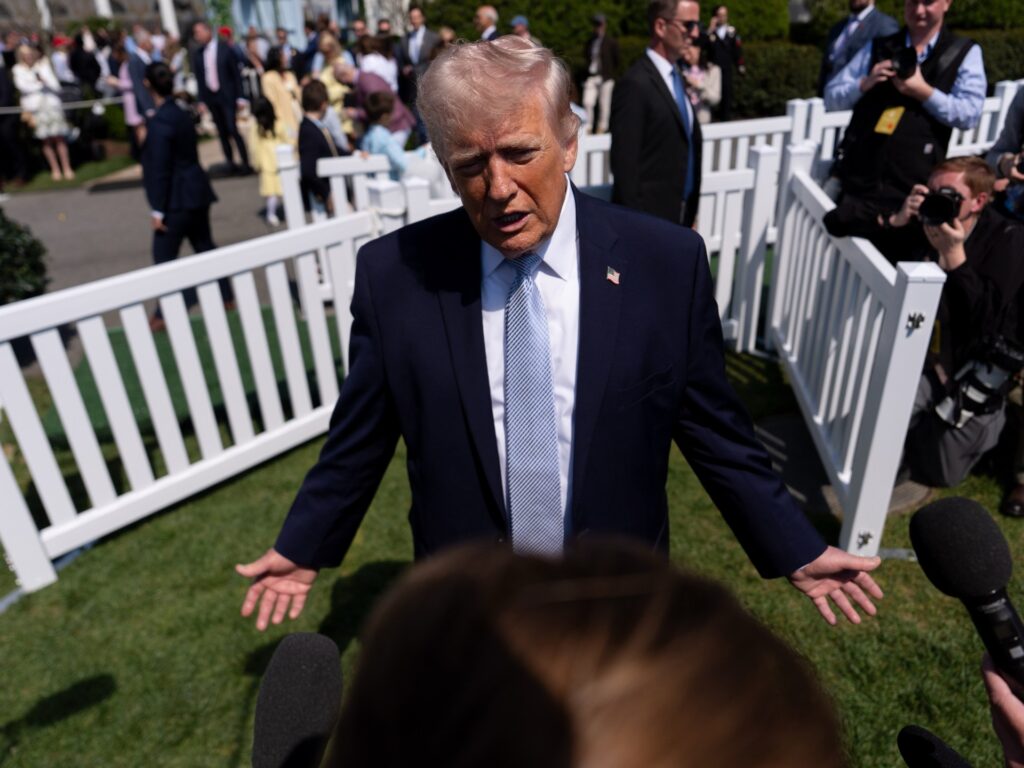
In a significant development in the escalating tensions between the United States and Iran, President Donald Trump has announced a temporary suspension of bombing operations targeting Iran, effective for the next two weeks. This decision comes amid dire threats and rising concerns over a potential military conflict that could have far-reaching consequences in the Middle East and beyond.
The suspension is viewed by many as a strategic move aimed at de-escalating the situation and creating a window for diplomatic engagement. However, President Trump made it clear that this pause in military action is conditional. The continuation of the suspension depends heavily on Iran’s actions, specifically the reopening of the Strait of Hormuz, a critical maritime route for global oil shipments.
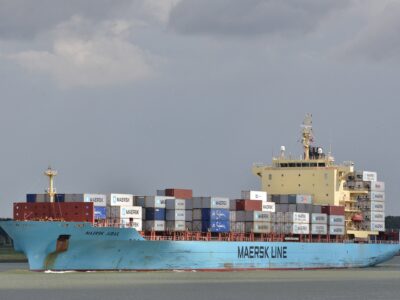
The Strait of Hormuz has been a flashpoint in the conflict between the US and Iran, with Iran having threatened to close it in response to sanctions and military pressures. Closing the strait would severely disrupt the global oil supply, leading to dramatic increases in energy prices and economic instability worldwide.
President Trump’s administration has maintained a firm stance on ensuring freedom of navigation through this strategic passage. The recent threats from Iran had escalated fears of a possible naval confrontation, which could spiral into a broader war. By suspending the bombing, Trump appears to be signaling a willingness to avoid immediate military escalation while putting the onus on Iran to demonstrate goodwill by reopening the strait.
Experts suggest that this suspension period could serve as a critical juncture for both nations to explore diplomatic solutions and reduce the risk of armed conflict. However, the administration has been clear that the suspension is temporary and reversible, dependent entirely on Iran’s compliance.
The international community has reacted with cautious optimism. Many nations have called for restraint from both sides and urged a return to dialogue as the best path forward to maintain stability in the region. The upcoming days will be closely watched as Iran decides whether to heed the US president’s call and reopen the Strait of Hormuz.
This development marks a pivotal moment in US-Iran relations, reflecting the delicate balance between military preparedness and the pursuit of peace. The world remains hopeful that this suspension will lead to a de-escalation of tensions and open the door for peaceful negotiations moving forward.