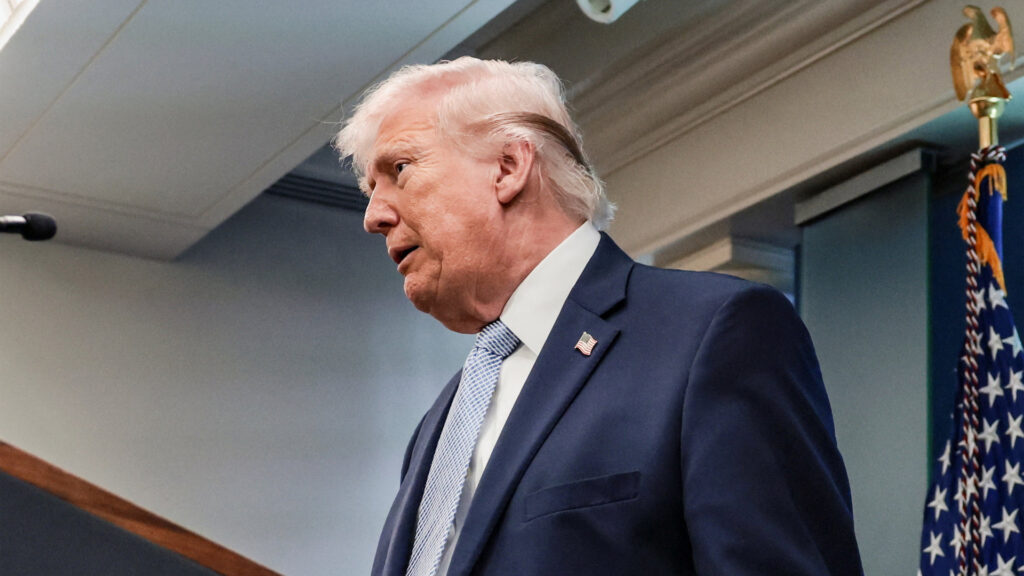
In a significant diplomatic development, US President Donald Trump has agreed to a two-week extension of his previously announced deadline for potential military action against Iran. This extension comes as a part of an understanding that Iran must reopen the Strait of Hormuz, a vital waterway for global oil shipments, which has been a focal point of tension between the two nations.
President Trump’s initial deadline was set amid escalating tensions and threats of military confrontation following Iran’s actions perceived as hostile toward US interests and allies. However, the agreement to delay any attacks signals a willingness to pursue a more measured approach in hopes of a diplomatic resolution.
The Strait of Hormuz holds immense strategic importance. It serves as a crucial transit route for approximately one-fifth of the world’s petroleum, making it a chokepoint in global energy markets. Iran’s intermittent restrictions or threats to close the strait have previously incited anxiety among energy markets, international governments, and maritime powers.
Trump’s administration had warned that any prolonged closure or disruption in the Strait of Hormuz would prompt a swift and forceful US military response. The latest declaration marks a conditional pause contingent on the strait’s reopening, reflecting the administration’s recognition of the delicate geopolitical balance and economic repercussions tied to the region.
Iran, for its part, has stated that its actions in the area are defensive and a response to international pressures and sanctions. The country’s leadership has insisted on its sovereign right to control the waters near its shores but has also expressed interest in avoiding an outright conflict due to the high stakes involved.
The temporary ceasefire and extended timeline provide a crucial opportunity for diplomatic negotiations. Allies and international parties, including European nations and the United Nations, have welcomed this step, emphasizing dialogue and peaceful resolution over military engagement.
Energy markets have responded with cautious optimism. The risk premium on oil prices, which had surged amid fears of an imminent conflict disrupting supply, has eased somewhat following Trump’s announcement. Nonetheless, market watchers remain vigilant, observing the evolving situation closely.
This development underscores the complexity of US-Iran relations, which have been strained for decades due to ideological differences, regional conflicts, and competing global ambitions. The involvement of other regional actors, such as Saudi Arabia, the United Arab Emirates, and Israel, adds layers of complexity to any potential resolution.
President Trump’s decision to extend the deadline and condition the pause on the Strait of Hormuz reopening also reflects a strategic calculation. By setting clear terms, the US aims to maintain pressure on Iran while leaving open a pathway to avoid direct military confrontation.
The international community is hopeful that this development marks a turning point, encouraging de-escalation and fostering a more stable environment in a historically volatile region. However, the situation remains fluid, and future actions by either side could quickly alter the current dynamics.
Diplomatic channels remain active, with backdoor communications reportedly ongoing between US, Iranian, and regional officials. These efforts aim to build trust and verify compliance with the terms agreed upon, including the crucial matter of reopening and ensuring safe passage through the Strait of Hormuz.
The coming weeks will be critical in determining whether this pause can evolve into a lasting peace or if renewed hostilities might erupt. Stakeholders across the globe are watching closely, hoping that restraint and diplomacy prevail in this high-stakes geopolitical challenge.