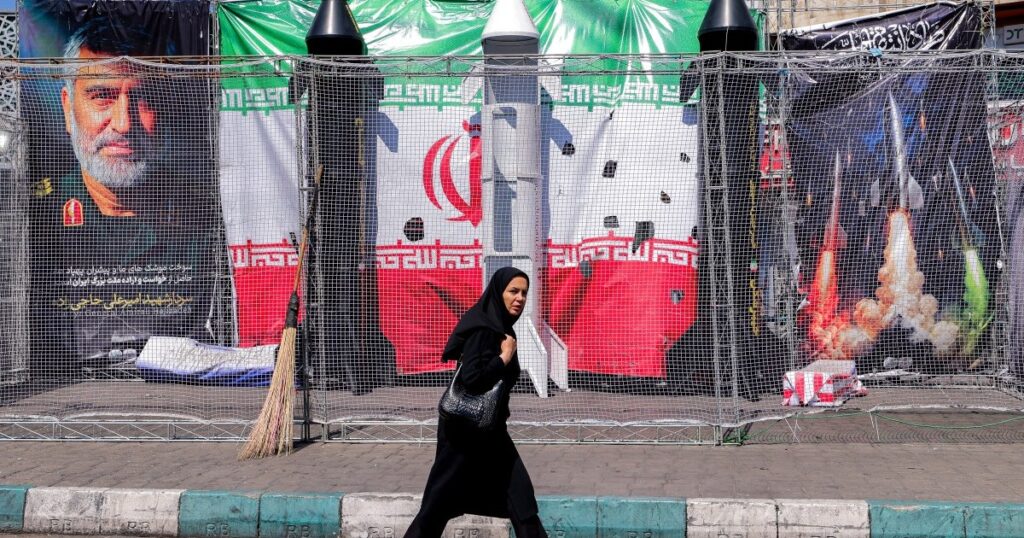
In a tense escalation of rhetoric surrounding Iran’s nuclear program, the United States has officially denied reports that it plans to initiate a nuclear strike against the country. The denial comes as a looming deadline approaches related to threats made by former President Donald Trump and comments from senior U.S. officials that have sparked international concern.
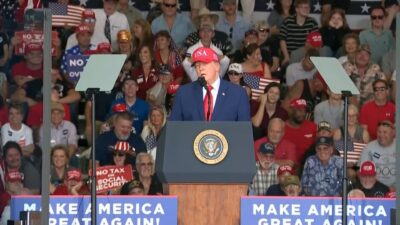
Donald Trump had previously made a controversial statement threatening to annihilate an entire “civilization,” which many interpreted as a reference to Iran. These comments, alongside vocal warnings from the Vice President, have heightened fears of potential military action that could lead to significant conflict in the region.
The situation unfolded against the backdrop of Iran’s continued nuclear ambitions, which the United States and its allies have long viewed as a direct threat to regional and global security. Diplomatic negotiations have been strained, with progress stalling and distrust deepening on both sides.
Following increased media speculation and international diplomatic pressure, U.S. officials were quick to clarify that no plans for nuclear strikes exist. They emphasized that the United States is committed to a diplomatic resolution and is engaging with international partners to prevent the situation from spiraling out of control.
Experts warn that inflammatory language, while often used as a tactic to exert pressure, can dangerously escalate tensions and complicate diplomatic efforts. “Words matter,” stated a foreign policy analyst. “Threats of this nature risk pushing Iran to harden its stance and undermine months, if not years, of negotiation.”
Iranian leaders have condemned the threatening remarks, accusing the U.S. of warmongering and violating international norms. They reaffirmed their right to pursue nuclear technology for peaceful purposes, as allowed under the Non-Proliferation Treaty.
The international community continues to call for restraint from all parties and urges renewed dialogue to ensure regional stability. United Nations officials have reiterated the importance of upholding diplomatic channels and avoiding actions that might provoke conflict.
Amid growing fears, many observers are watching closely to see if cooler heads will prevail. The upcoming days are critical in determining whether the situation will de-escalate or descend into more severe confrontation.
The U.S. denial aims to soothe international anxieties and prevent further polarization. However, the shadow of previous threats looms large, reminding the world of the fragility of peace in this volatile region.
As both sides prepare for the next round of discussions, the global community remains hopeful that diplomacy will ultimately steer clear of nuclear confrontation, preserving stability and security for future generations.