A prominent university has publicly condemned the recent attack attributed to US-Israeli forces, which was aimed at hindering Iran’s advancements, particularly in strategic sectors such as artificial intelligence (AI) learning. This offensive, which targeted critical sites associated with Iran’s scientific and technological progress, has sparked international concern over the escalating conflict in the region.
According to the university, the strike was strategically designed to disrupt Iran’s growing capabilities in AI, a field crucial to modern technological and defense advancements. The university emphasized that such actions not only undermine scientific progress but also threaten global academic collaboration and peaceful technological development.
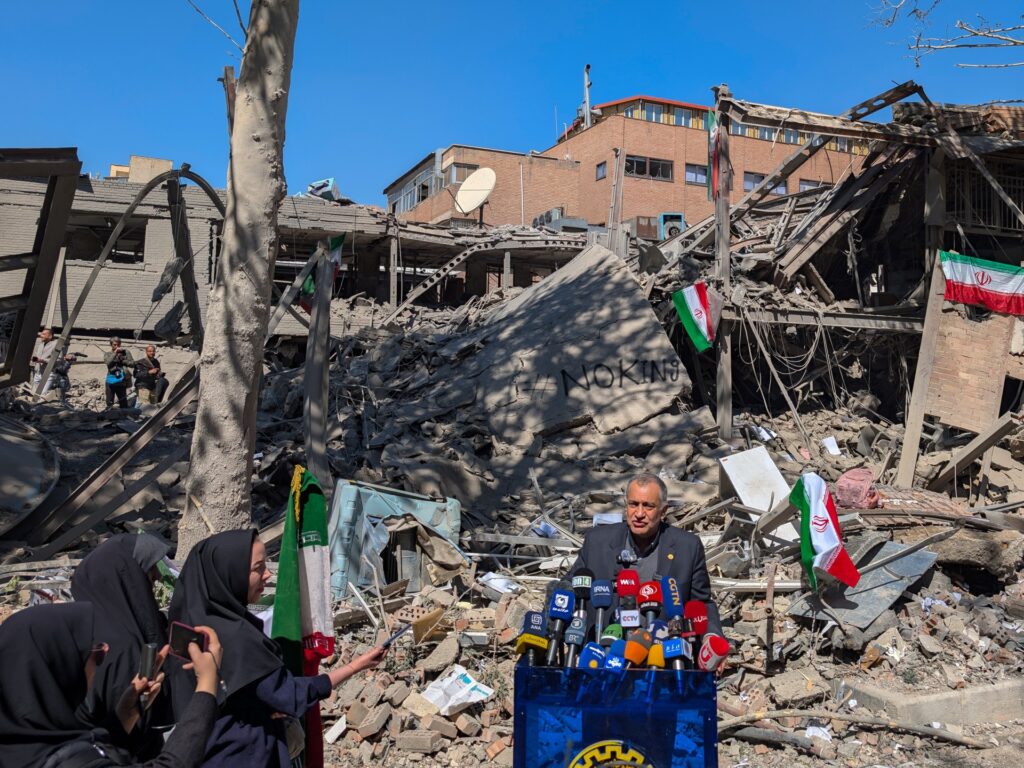
Alongside this attack, Iran has vehemently condemned what it describes as systematic assaults on civilian infrastructure, including key academic hubs integral to the nation’s educational and research framework. The attacks have severely devastated Tehran and other critical cities, impairing essential services and hampering research activities.
Iranian officials have labeled these actions as unjust attacks against civilians, highlighting how the warfare has imperiled hospitals, universities, and research institutions. The destruction of such infrastructure harms the broader society and undermines the potential for future innovation and knowledge generation.
The attack targeting AI learning centers has brought into focus the increasing importance of technology in national security and economic development. Iran’s commitment to advancing AI is seen as a step towards self-reliance in high-tech industries, which some adversaries perceive as a threat to their strategic interests.
International reactions to the incident reveal a complex geopolitical landscape. While some nations and organizations have expressed solidarity with Iran’s right to develop its technological and educational sectors, others have rationalized the strikes as measures against potential military threats.
The university statement calls for a de-escalation of hostilities and urges all parties to respect civilian institutions and promote dialogue over conflict. It underscores the broader implications of targeting academic and technological infrastructure, which can have long-lasting adverse effects on regional stability and global knowledge sharing.
Human rights groups and academia worldwide have echoed these concerns, advocating for the protection of educational institutions during conflicts and highlighting the importance of preserving scientific progress for humanity’s collective benefit.
As the war continues to disrupt essential services, the attack illustrates the increasingly blurred lines between military objectives and civilian targets, posing serious ethical and legal questions about modern warfare.
The conflict’s impact on AI development in Iran serves as a stark reminder of how technological advancements are deeply intertwined with geopolitical power dynamics. It also highlights the vulnerabilities of academic and research environments amidst global tensions.
In summary, the university’s condemnation of the US-Israel attack on Iran’s AI and broader technological progress signals the need for renewed efforts toward peace and protection of non-military institutions. The ongoing devastation of critical infrastructure not only stifles Iran’s development but also threatens regional and international academic and technological ecosystems.