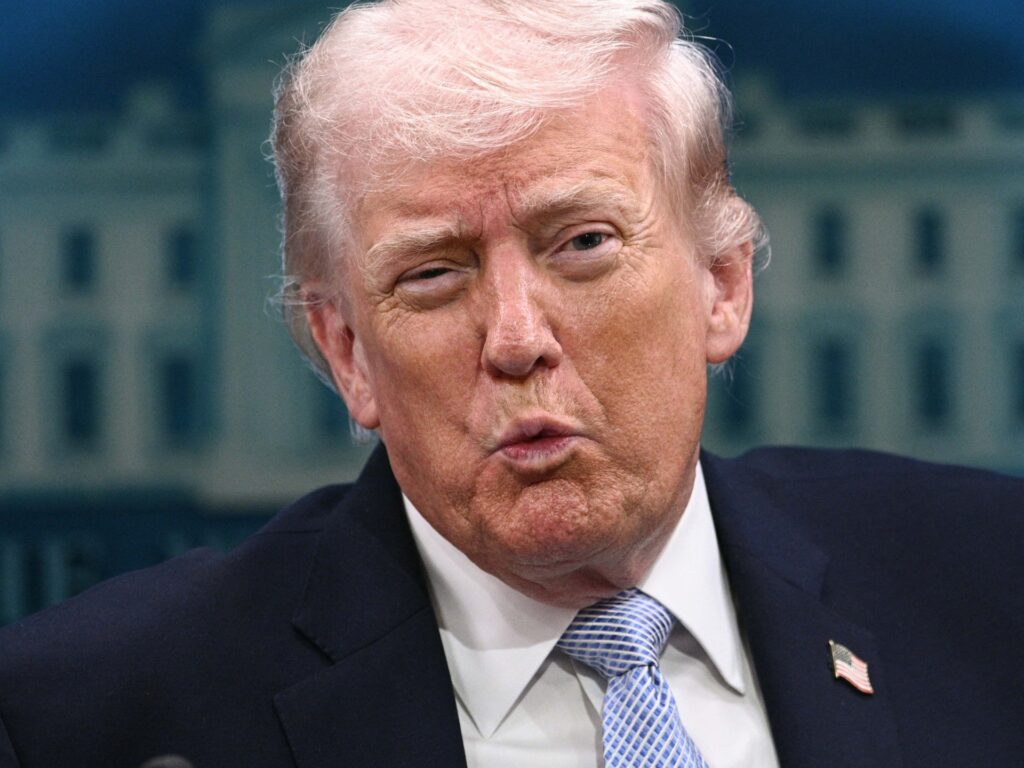
In a striking escalation of tensions, former U.S. President Donald Trump issued a grim warning to Iran concerning the critical maritime passage of the Strait of Hormuz. Trump declared that “a whole civilisation will die tonight” should Iran persist in restricting access to the Strait, a vital artery for global oil shipments and international trade.
The Strait of Hormuz, a narrow passage connecting the Persian Gulf with the Gulf of Oman and the Arabian Sea, is one of the world’s most significant chokepoints for oil transport. Approximately one-fifth of the world’s petroleum passes through this strategic route daily, making it a hotspot for geopolitical tensions.
Trump’s warning comes amid heightened hostilities and ongoing disputes between the United States and Iran, particularly over Iran’s nuclear program and regional influence. The situation has further destabilized the already fragile balance of power in the Middle East, intensifying fears of a possible military confrontation.
The former president’s statement underscores the high stakes involved, suggesting that Iran’s blockade or closure of the Strait could trigger unprecedented consequences, potentially involving widespread destruction and loss of life.
Analysts interpret Trump’s words as a stark reminder of both the geopolitical importance of the Strait of Hormuz and the volatility of U.S.-Iran relations. The phrase “a whole civilisation will die” has been viewed as both a metaphor for the catastrophic economic fallout and a literal threat of military action.
Diplomatic efforts continue as international powers urge Iran to maintain open access to this crucial maritime corridor to ensure global energy security and regional stability.
The situation remains fluid, with the global community watching closely as tensions over the Strait of Hormuz could have far-reaching implications not only for the Middle East but for the entire world economy and international peace.
As the standoff advances, all eyes remain on Tehran and Washington, hoping for de-escalation to prevent any potential catastrophe that could reshape geopolitics and affect millions worldwide.