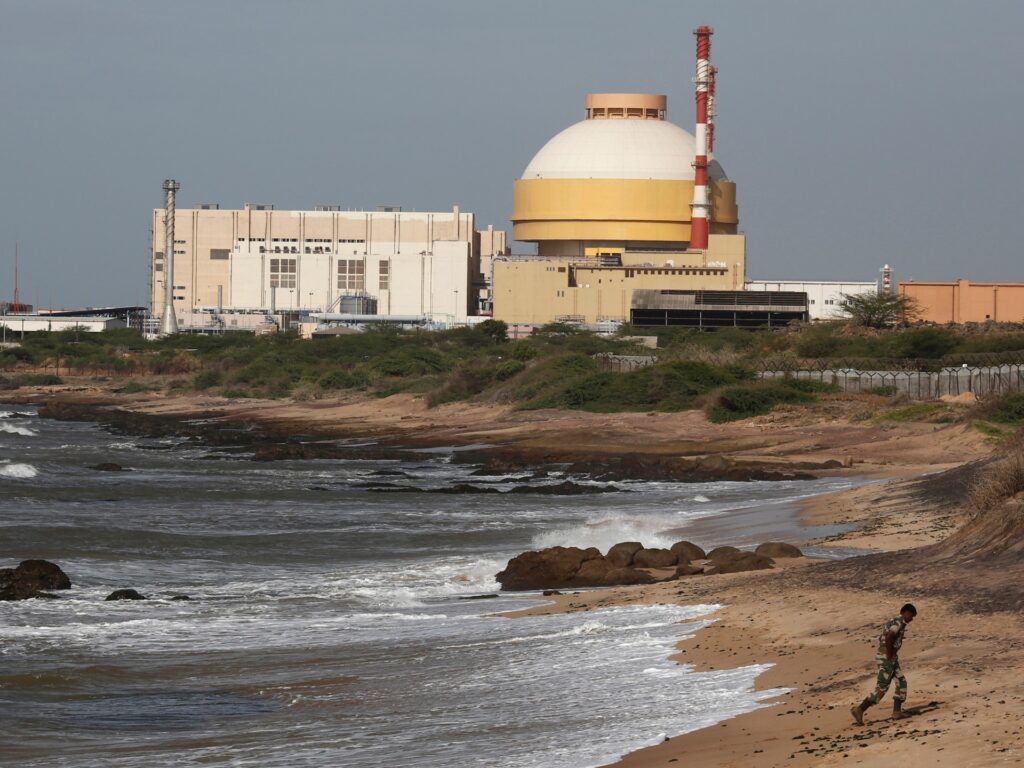
India has made a significant stride in its nuclear energy program with the successful operation of its most advanced reactor, the fast breeder reactor (FBR). This development marks a pivotal point in the country’s ongoing efforts to reduce its dependence on uranium and enhance energy security through innovative nuclear technologies.
Fast breeder reactors are distinct from conventional nuclear reactors. They generate more fissile material than they consume by converting fertile materials like thorium or uranium-238 into fissile fuel. India’s latest FBR success demonstrates the nation’s technical prowess and strategic vision to leverage its abundant thorium reserves, which are far more plentiful than uranium.
The operational success of India’s fast breeder reactor aids in multiple dimensions. First, it strengthens energy independence by reducing reliance on uranium imports, which are subject to global market fluctuations and diplomatic constraints. Second, it aligns with India’s ambitious clean energy targets by providing a sustainable, low-carbon source of power capable of supporting the growing demands of its population and economy.
India possesses one of the world’s largest thorium reserves, estimated to be about 25% of the global total. The FBR technology is integral to the country’s three-stage nuclear program, aimed at utilizing thorium to fuel reactors after an initial phase involving uranium and plutonium. Achieving success with the FBR thus clears a critical hurdle in realizing this long-term nuclear vision.
In addition to energy security, India’s FBR program offers significant economic and geopolitical advantages. Developing indigenous reactor technology reduces costs compared to reliance on foreign technology and fuels. It also positions India as a leader in advanced nuclear technology, potentially opening avenues for international collaborations and export opportunities.
Environmental benefits are another important aspect. Fast breeder reactors generate less high-level radioactive waste due to their efficient fuel use and recycling capabilities. This factor adds a layer of sustainability to nuclear power, addressing one of the major concerns associated with nuclear energy.
The journey to achieving FBR success has been arduous. India’s nuclear program, dating back to the 1950s, has faced challenges including technology restrictions, international sanctions, and resource limitations. Despite these obstacles, persistent research, government commitment, and scientific innovation have propelled India towards this milestone.
Looking ahead, the fast breeder reactor technology is set to play a crucial role in India’s energy mix. It not only promises to stabilize energy supply but also fosters technological self-reliance. The continued advancement of this technology could profoundly influence the global nuclear landscape and contribute significantly to combating climate change.
In conclusion, India’s achievement with its fast breeder reactor is more than just a technical feat. It is a strategic move that bolsters energy independence, environmental sustainability, economic growth, and geopolitical standing. This success underlines India’s emergence as a major player in next-generation nuclear energy technologies and symbolizes a momentous leap in its pursuit of a secure and sustainable energy future.