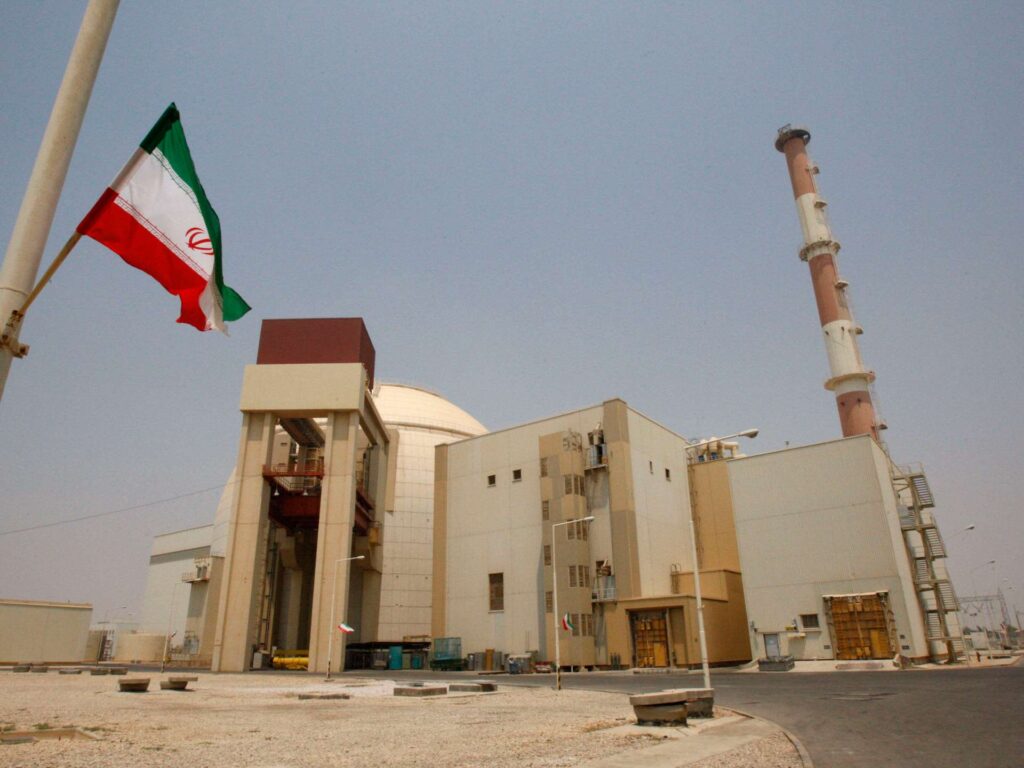
The Bushehr nuclear plant in Iran has become a critical focal point in geopolitical tensions, particularly concerning the actions of the United States and Israel. Their repeated strikes and aggressive posturing toward the plant have elevated fears of a major nuclear incident. An attack on the Bushehr facility could lead to catastrophic consequences, significantly impacting not only Iran but the entire Gulf region and beyond.
Firstly, the Bushehr plant is Iran’s only nuclear power station, and it contains substantial amounts of radioactive material. Any military strike causing damage to this facility risks a release of radioactive contaminants into the environment. Radioactivity released into the atmosphere could be carried by prevailing winds and contaminate large areas, including neighboring countries surrounding the Persian Gulf. The Gulf states, many of which are economically and environmentally fragile, would face widespread fallout. This contamination would affect air quality, water resources, and soil fertility, disrupting agriculture and fisheries essential to local populations.
Moreover, the plant’s proximity to densely populated urban centers heightens the disaster’s potential human toll. Exposure to radioactive materials can cause severe health issues, including radiation sickness, genetic mutations, cancers, and long-term environmental degradation. The healthcare infrastructure in the region could be quickly overwhelmed, worsening the humanitarian crisis.
Beyond the immediate health and environmental risks, an attack would also destabilize the geopolitics of the Gulf. It would exacerbate tensions among Gulf Cooperation Council (GCC) countries, Iran, and global powers. Risking contamination of the strategically vital Strait of Hormuz, through which a significant portion of the world’s oil transits, could disrupt global oil markets and energy security.
In addition to the direct consequences of radioactive contamination, the aftermath of an attack would likely result in political and economic turmoil. Refugee flows might increase as residents flee affected areas, placing strain on neighboring countries. Trade and investment in the Gulf region could also decline due to mounting insecurity, affecting global markets.
International organizations and nuclear watchdogs have continuously warned against any attack on nuclear facilities, emphasizing the catastrophic risks involved. The Bushehr nuclear plant serves as a stark example of these dangers. Escalation of military strikes not only threatens immediate disaster but also undermines diplomatic efforts to maintain regional stability.
Given these severe risks, the international community calls for restraint and dialogue to prevent any military action that could trigger a nuclear accident. Ensuring the safety and security of the Bushehr plant is pivotal to averting a disaster that would extend far beyond Iran’s borders into the broader Gulf region and the world.
In conclusion, the potential consequences of an attack on the Bushehr nuclear plant are irreversible and deadly. The heightened risk of radioactive contamination has far-reaching implications for environmental health, human safety, and geopolitical stability throughout the Gulf. Military actions against nuclear infrastructure should be approached with the utmost caution and prioritized avoidance to protect regional and global security.