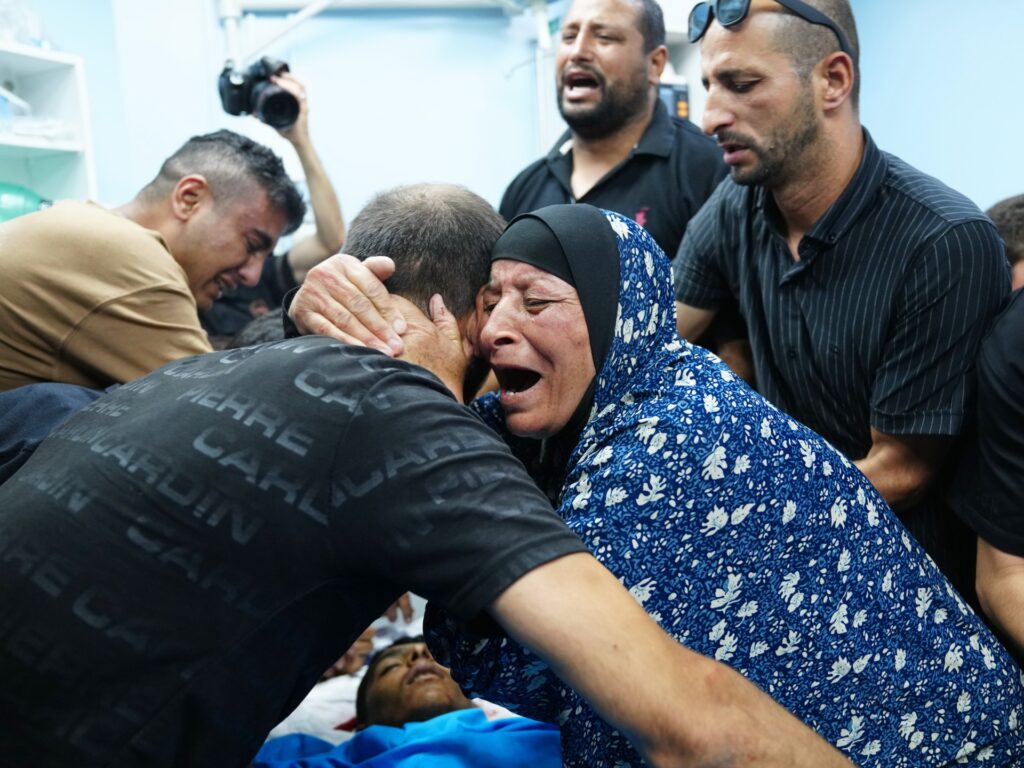
In recent developments in the West Bank, Israeli settlers and army forces were involved in fatal incidents resulting in the deaths of two Palestinians. A 17-year-old Palestinian, Karim Sanad Shalaldeh, was fatally shot by Israeli settlers. In a separate event, Israeli forces killed a 58-year-old man named Fathi Khazem. These incidents reflect ongoing tensions and violence in the region.
The killing of Karim Sanad Shalaldeh, a Palestinian teenager, marks yet another tragic event involving settlers in the West Bank, where tensions frequently lead to violent confrontations. The circumstances of his shooting have raised serious concern among Palestinian communities and human rights groups, highlighting the dangers faced in areas with settler presence.
Fathi Khazem’s death at the hands of Israeli forces underscores the persistent conflict and the often lethal encounters between Palestinian civilians and Israeli security personnel. Details regarding the circumstances of Khazem’s killing remain to be fully clarified by authorities and witnesses.
Both incidents have sparked outrage and condemnation from Palestinian officials and international observers who call for accountability and renewed efforts to address the underlying causes of violence. The West Bank continues to be a critical flashpoint in the Israeli-Palestinian conflict, with frequent incidents exacerbating the fragile security situation.
Human rights organizations have called for thorough investigations into both deaths and urged restraint from all parties to prevent further escalation. These tragic events contribute to the broader cycle of violence that has affected countless families and communities in the region.
The recent fatalities are a grim reminder of the ongoing challenges in achieving peace and ensuring safety for civilians amid the protracted conflict. Palestinian leaders have demanded international intervention and greater protection for Palestinians living in the occupied territories.
In response, Israeli authorities have often cited security concerns and the need to maintain order, while critics argue that policies and actions by both the military and settler communities exacerbate tensions. The international community continues to monitor the situation closely, emphasizing dialogue and conflict resolution as necessary steps forward.
The deaths of Karim Sanad Shalaldeh and Fathi Khazem reflect the human cost of the conflict, with families mourning their loss and communities grappling with grief. Amidst this backdrop, calls for justice and peace persist, underscoring the urgent need to address the root causes of violence in the West Bank.