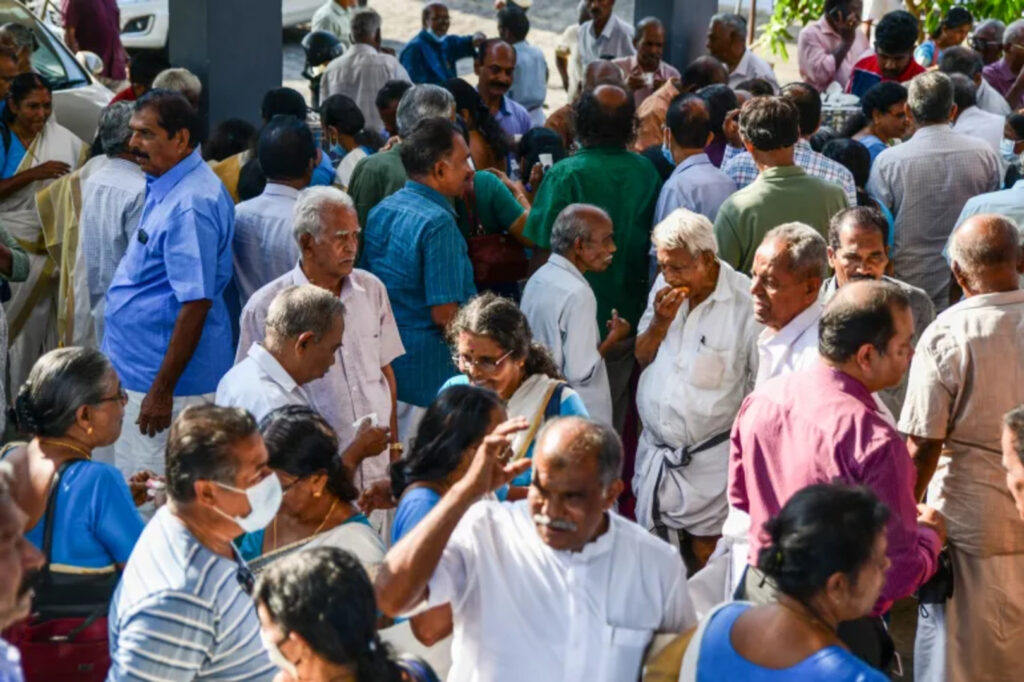
India has embarked on an extraordinary journey to count its population in the world’s largest census, marking the first count since 2011. This historic exercise aims to capture the demographic, social, and economic profile of nearly 1.4 billion people living across the diverse and vast expanse of the country.
The census is a massive undertaking, involving thousands of enumerators and officials who will visit every household. It plays a crucial role in governmental planning, policy formulation, and resource allocation. The data collected will inform decisions on infrastructure development, education, healthcare, and social welfare schemes.
Conducted every ten years, the census provides the most comprehensive data about India’s population dynamics. This round also comes at a time when the country faces rapid urbanization, demographic shifts, and challenges such as migration and changing household structures.
Using a combination of traditional paper forms and digital tools, the census aims to improve accuracy and efficiency. Training sessions have been organized to equip enumerators with the necessary skills to handle this colossal task effectively.
The census results have far-reaching implications. Apart from aiding government policy, they help non-governmental organizations, researchers, and businesses understand demographic trends and plan accordingly. For instance, knowing population distribution helps companies strategize market outreach, while researchers use the statistics to analyze social changes.
India’s census, which started in 1872, has evolved over the years to adapt to changing times. The latest census also incorporates data on education levels, employment, fertility rates, and housing conditions, among other indicators.
With security and privacy concerns in mind, the government has taken steps to ensure that data collected is confidential and used strictly for statistical purposes. A dedicated helpline and awareness campaigns have been launched to encourage public cooperation.
The census is not without its challenges. The vast geographical diversity, language barriers, and the ongoing COVID-19 pandemic posed unique difficulties for enumerators. Yet, the commitment of the census teams and the support from communities have been pivotal in overcoming these hurdles.
The census period will last several months, during which the country will witness an unprecedented mobilization of human resources and technology. Once completed, the results are expected to provide a detailed snapshot of India’s population and serve as a cornerstone for planning the nation’s future.
As India counts its people, the census stands as a testament to the country’s diversity, resilience, and democratic spirit, reflecting the lives of its citizens in one of the largest democratic exercises in the world.