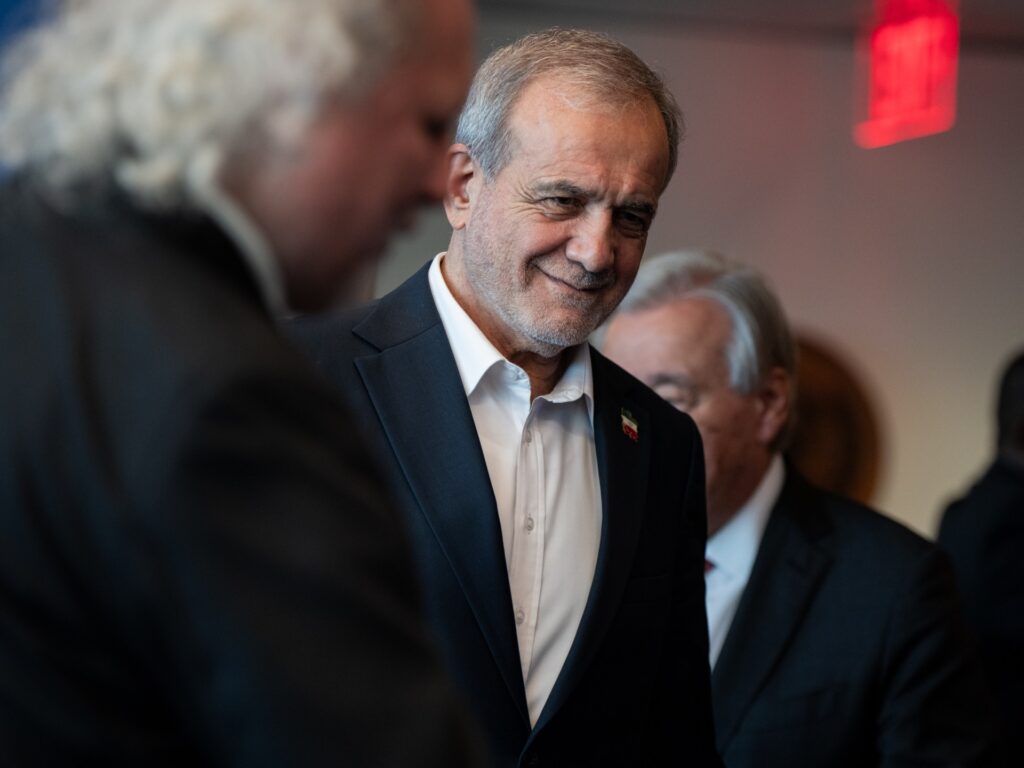
In a compelling open letter addressed to the American public, Iranian President Masoud Pezeshkian has called for a reconsideration of the narratives surrounding the ongoing conflicts that have led to widespread suffering and devastation worldwide.
President Pezeshkian urges the US public to look beyond what he describes as a “flood of distortions” and misinformation that have clouded the true motives and consequences of war. His letter highlights the importance of seeking the roots and beneficiaries of ongoing wars rather than accepting the simplified and often misleading official rhetoric.
He questions the real interests served by war, especially in an era where international conflicts have far-reaching impacts on global peace, economics, and human lives. Pezeshkian emphasizes that wars are not fought for the general public’s welfare but often serve the ambitions of a few powerful stakeholders.
The Iranian leader’s message is a direct appeal for critical thinking and greater scrutiny of the media and political narratives that advocate for continued military interventions. He points out that these narratives frequently ignore the devastating consequences for ordinary people caught in conflict zones.
Pezeshkian’s letter coincides with escalating tensions in various parts of the world, including regions where US foreign policy has been heavily involved. His call for Americans to question the true beneficiaries of such conflicts comes at a time when public opinion is increasingly polarized and international trust in official statements is waning.
By promoting a narrative that challenges prevailing war justifications, Pezeshkian invites Americans to adopt a more nuanced perspective and to consider peaceful alternatives to conflict. He underscores the shared humanity of all peoples affected by war and advocates for diplomatic solutions.
This open letter has sparked discussion among international observers, peace activists, and political analysts who view it as a significant moment of dialogue in the often polarized discourse on war and peace. It is seen as a reminder that major decisions about war should be questioned and that public awareness and engagement are crucial in shaping foreign policies.
In conclusion, President Masoud Pezeshkian’s letter to the American public serves as a poignant reminder of the complexities behind war and the necessity of questioning the narratives presented by those in power. His appeal for peace and understanding resonates globally, inviting citizens everywhere to reflect on the true costs and beneficiaries of armed conflicts.