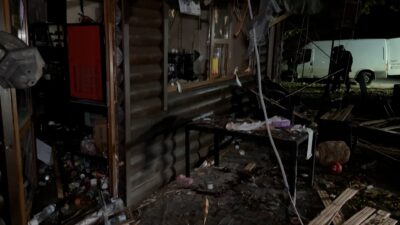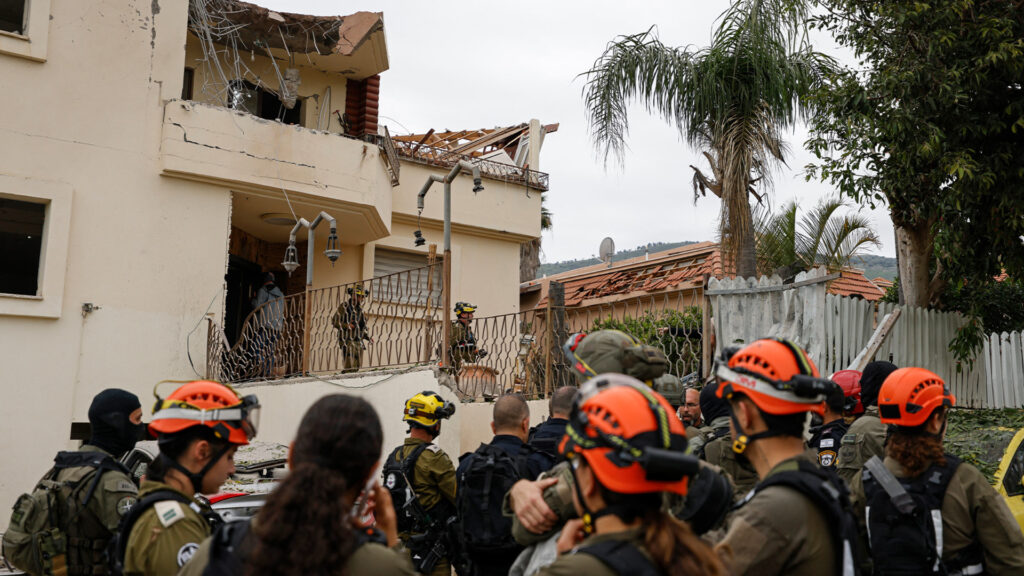
In a significant escalation of tensions, Central Israel was struck by one of Iran’s largest missile barrages in weeks, resulting in injuries and notable damage across several areas. The missile attacks injured at least 14 people, creating a wave of concern for security and stability in the region.
The barrage represents a notable intensification in the ongoing conflict dynamics between Israel and Iran, reflecting the volatile geopolitical atmosphere that has characterized the Middle East in recent times. Several missiles were launched, targeting central Israeli territories, demonstrating a significant operational capacity and intent by Iranian forces.
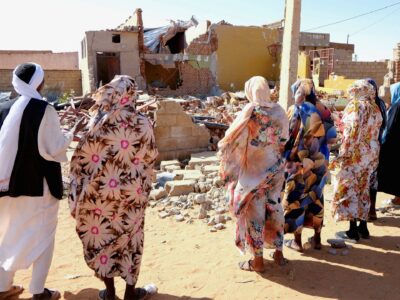
Emergency responders and medical teams were swiftly deployed to treat the injured and provide aid, while damage assessments are ongoing to evaluate the full impact of the missile strikes. Infrastructure and residential areas suffered disruptions and destruction, prompting calls for increased preparedness and strengthened defense measures.
Israeli authorities condemned the attacks, categorizing them as acts of aggression and a breach of international norms. They underscored the necessity of a robust response to deter any future escalations and safeguard the security of their citizens.
The international community has expressed concern over the missile barrage, highlighting the threat such actions pose to regional peace and stability. Diplomatic channels are reportedly active in discussing measures to de-escalate tensions and prevent further hostilities.
This latest incident adds to the series of violent exchanges between Iran and Israel, underscoring the complexity and fragility of their adversarial relationship. It also raises questions about the potential implications for wider regional security arrangements and the ongoing efforts to manage conflicts in the Middle East.
Experts suggest that the missile barrage could be a strategic move by Iran to exert pressure on Israel amid diplomatic negotiations and regional power shifts. The evolving situation is being closely monitored by intelligence and defense agencies worldwide.
Historical Context:
The relationship between Iran and Israel has been marked by hostility, with Iran supporting groups opposed to Israel and Israel conducting operations to counter perceived threats from Iranian proxies. These missile strikes are part of a broader pattern of conflict that has periodically escalated into armed confrontations.
Humanitarian Impact:
The injuries caused by the missile attacks highlight the human cost of the conflict, reinforcing the urgent need for diplomatic solutions to prevent further loss of life. Communities affected by the missile strikes are currently receiving aid and support amidst ongoing security concerns.
Looking Ahead:
As tensions persist, the focus remains on diplomatic efforts to reduce hostility and establish measures for sustainable peace. Both regional and global actors play crucial roles in facilitating dialogue and crisis management to avert further escalation.
In conclusion, the missile barrage launched by Iran against Central Israel marks a concerning development in the region’s security landscape, posing challenges to peace and stability. The coming days will be critical in determining the trajectory of this conflict and the international response to it.