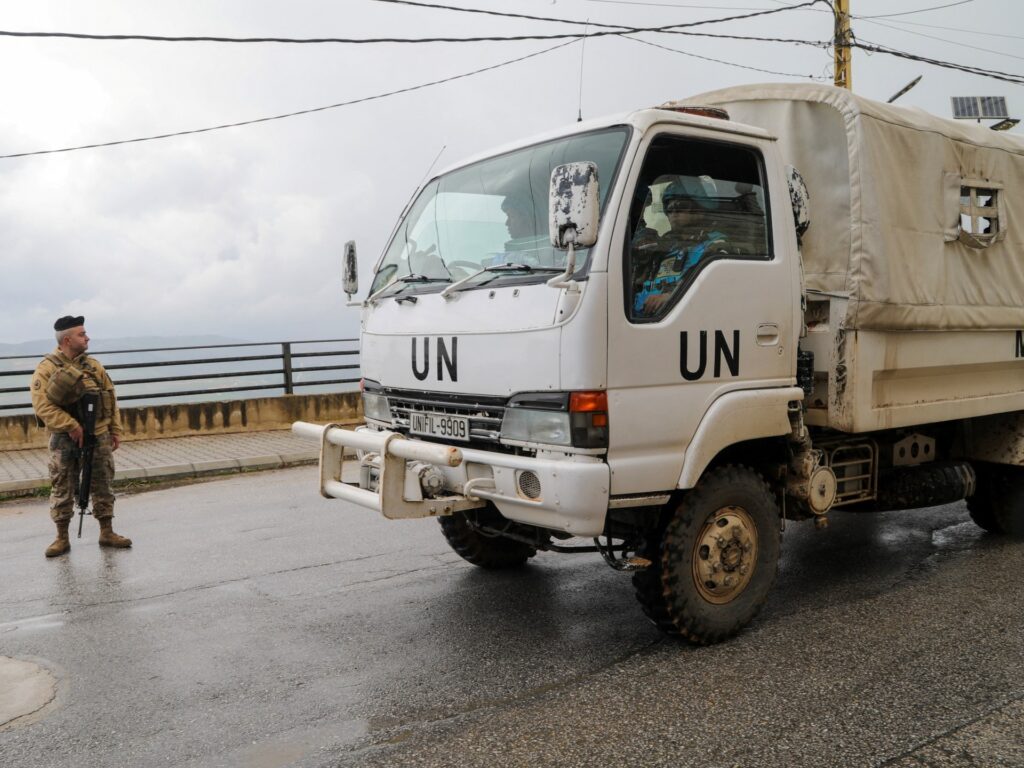
In a recent development that has drawn international concern, the United Nations aid chief has issued a stark warning regarding Israel’s expanding military activities in Lebanon. As Israel continues its operations in southern Lebanon, the potential for establishing a new and prolonged occupation looms large, prompting serious questions about the future stability and humanitarian situation in the region.
Tom Fletcher, a prominent commentator on Middle Eastern affairs, highlighted the gravity of the situation by questioning how the international community is prepared to handle what he refers to as a “new addition” to the occupied territories. This phrase underscores the gravity of Israel’s military expansion into areas of Lebanon that have not previously been under such control.
Historically, southern Lebanon has been a hotspot for conflict, especially involving Israeli forces, Hezbollah, and other local groups. Previous occupations and incursions have left deep scars on the local population, disrupting lives and livelihoods, with long-lasting social and political repercussions.
The current escalation comes amid heightened tensions following recent cross-border incidents that have escalated into broader confrontations. Israel’s military rationale centers on security concerns and the need to neutralize perceived threats from militant groups operating within Lebanon’s southern regions.
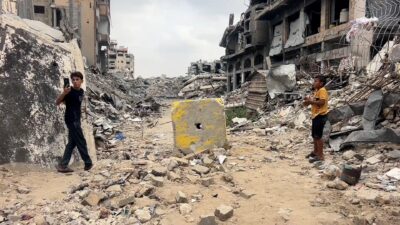
The UN’s aid chief has expressed serious concerns about the implications of these actions from a humanitarian perspective. Southern Lebanon is home to a large civilian population already vulnerable due to economic challenges and previous conflicts. An expanded Israeli presence risks further displacement, destruction of infrastructure, and hindered access for humanitarian aid.
International observers warn that a prolonged occupation could destabilize the already fragile security environment in Lebanon, potentially triggering a wider regional conflict. Diplomatic efforts to de-escalate have so far struggled to make significant headway, with both sides entrenched in their positions.
The UN is calling on all parties to exercise restraint and prioritize dialogue over military action. The humanitarian community is preparing for an increase in aid requirements, anticipating a possible surge in refugees and internally displaced persons due to escalating violence.
Meanwhile, the global community faces the challenge of crafting an effective response to this unfolding crisis. Fletcher’s question about how the world will prepare for this “new addition” to occupied territories invites policymakers to consider long-term strategies for conflict resolution, peace-building, and support for Lebanon’s sovereignty.
This situation underscores the fragility of Middle Eastern geopolitics, where historical conflicts intersect with contemporary political dynamics. The international community’s approach in the coming weeks will be critical in shaping the trajectory of peace efforts and humanitarian relief in southern Lebanon.
In summary, the warning from the UN aid chief and the commentary from Tom Fletcher bring urgent attention to the complex consequences of Israel’s expanding military actions in southern Lebanon. It remains to be seen how the world will respond to these developments and whether diplomatic channels can prevent further deterioration in the region’s stability.