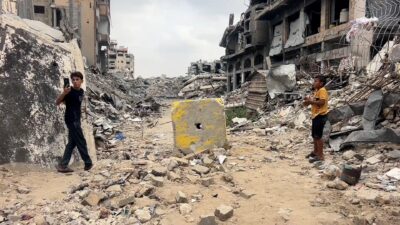
The Yemen conflict appears to be escalating into a new and more intense phase, following a deadly attack by the Houthi movement on King Khalid International Airport in Saudi Arabia. The Saudi government has accused Yemen’s Houthis of killing 12 people and injuring 300 during a Saturday assault at the airport, a critical hub near Riyadh. This attack marks one of the most severe strikes on Saudi soil since the beginning of the Yemen war in 2015, signaling a possible shift in tactics and intensity.
Background and Context:
Since 2015, Yemen has been embroiled in a devastating civil war with the Houthis, a Shia rebel group, battling the internationally recognized Yemeni government supported by a Saudi-led coalition. The conflict has caused a massive humanitarian crisis, with thousands of civilians killed and millions displaced.
Recently, the Houthis have increased their cross-border attacks against Saudi Arabia, employing drones and ballistic missiles. The latest strike on King Khalid International Airport, reportedly using drones laden with explosives, has brought the conflict directly to Saudi Arabia’s heartland and critical infrastructure.
Impact of the Attack:
The attack caused significant casualties and damage. With 12 fatalities and over 300 injured, it represents a major escalation in violence. The targeting of a civilian airport hints at a strategic shift towards targeting high-profile infrastructure beyond military or border areas. The incident has prompted Saudi Arabia to heighten its defense readiness and consider more aggressive countermeasures.
International Reactions:
The international community has condemned the attack, expressing concern over the risk of broader regional destabilization. Countries allied with the Saudi-led coalition called for renewed efforts toward diplomatic resolution, while urging the Houthis to cease hostilities.
Potential New Phase of Conflict:
Experts suggest this attack may indicate a new phase characterized by increased Houthi capabilities and bolder operations extending deeper into Saudi territory. The Houthis have been developing more sophisticated drone technology and missile systems, potentially with support from regional allies.
The increased intensity and reach of attacks raise the stakes for all parties involved. Saudi Arabia may intensify its military campaign and airstrikes in Yemen, while the Houthis might accelerate their asymmetric warfare tactics.
Humanitarian Concerns:
As the fighting evolves, civilians on both sides face grave dangers. The war has already caused one of the world’s worst humanitarian crises. An escalation could worsen food insecurity, displace more families, and hamper aid deliveries.
Call for Diplomacy:
Amid rising violence, calls for a ceasefire and renewed peace talks grow louder. International actors emphasize the necessity of dialogue to prevent further bloodshed and ultimately resolve the conflict that has devastated Yemen for nearly a decade.
In Summary:
The deadly attack on King Khalid International Airport represents a potential turning point in the Yemen war, signaling a possible new phase of increased hostilities with broader targets inside Saudi Arabia. While the situation remains volatile, the international community continues to advocate for a peaceful resolution to end the prolonged suffering of the Yemeni people.