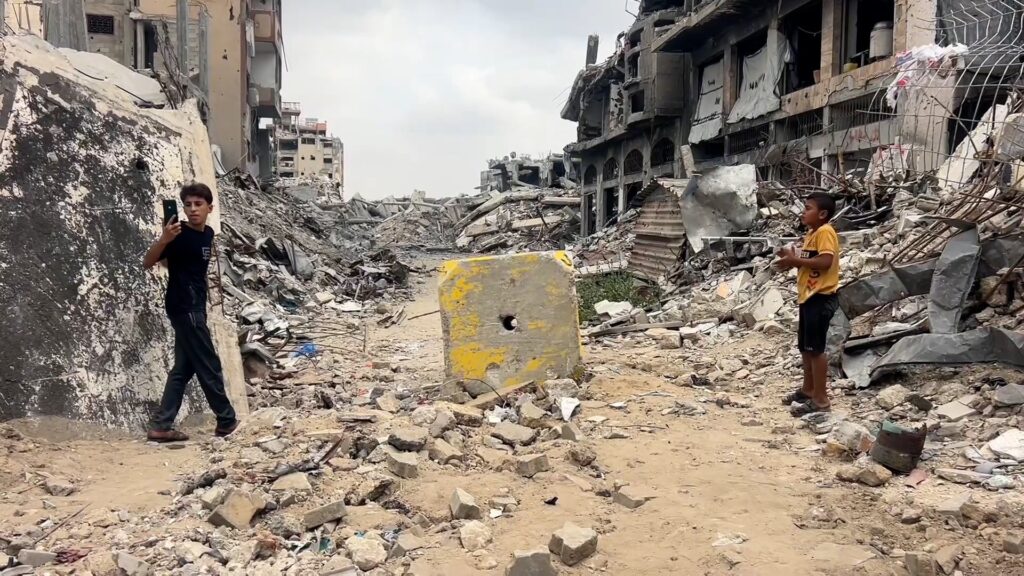
Israel has escalated its military operations in Gaza by advancing what is referred to as the ‘Yellow Line’—a new front within the conflict zone marking intensified territorial control. This advancement signifies a deeper penetration into Gaza’s territory amid ongoing hostilities between Israeli forces and Palestinian groups. The ‘Yellow Line’ acts as a symbolic and strategic marker, delineating areas where Israeli troops have increased their presence and operational scope. Military sources indicate that the push is part of a broader campaign to weaken militant infrastructure and limit rocket fire into Israeli territory. However, the move has also raised concerns over the humanitarian impacts on Gaza’s civilian population, with international observers warning of potential exacerbation of the already critical situation. The escalation follows a series of retaliatory strikes and has been met with condemnation from various countries and international organizations calling for restraint and renewed diplomatic efforts. Analysts suggest that Israel’s deeper push into Gaza reflects an attempt to secure long-term strategic advantages, yet it risks intensifying the conflict and complicating peace prospects in the region. This development comes amidst ongoing discussions about ceasefire conditions and the urgent need for humanitarian aid access. The situation remains fluid, with reports of increasing casualties and displacement within Gaza. As Israel continues to advance its ‘Yellow Line,’ the international community watches closely, urging all parties to consider the broader consequences of continued military operations.