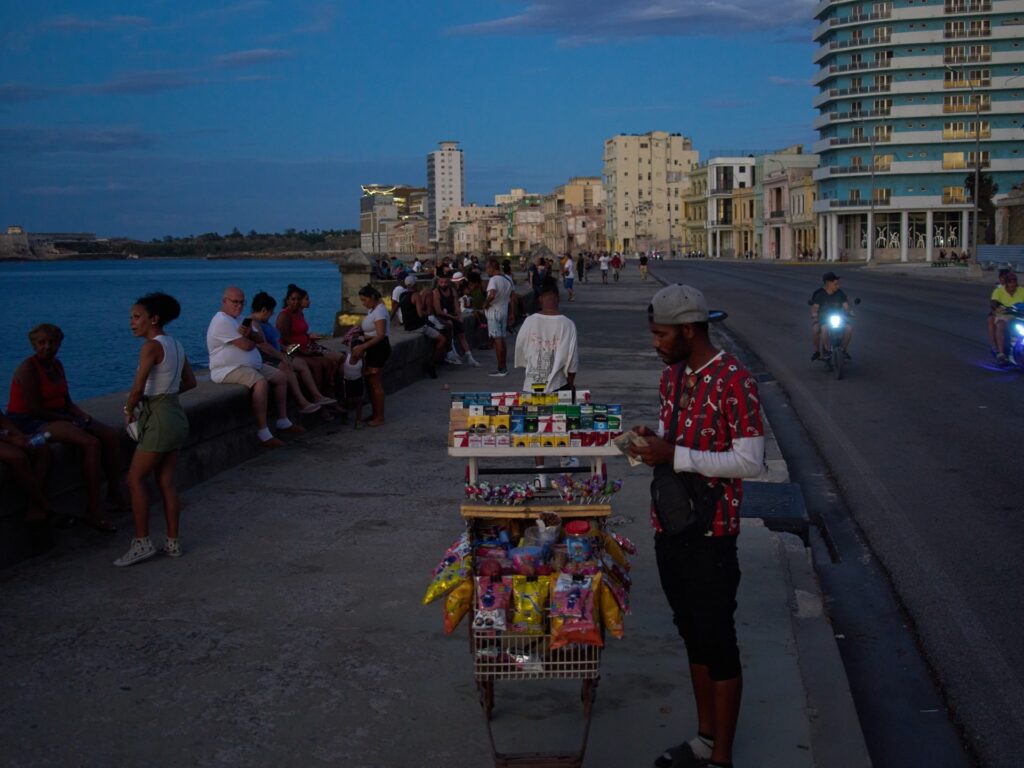
Cuba is currently grappling with one of the worst humanitarian crises in its history, marked by severe shortages of food, medicine, and basic goods, as well as widespread public discontent. This situation has prompted significant questions about the island’s political leadership and the potential for change at the top.
At the center of Cuba’s power structure is Miguel Díaz-Canel, the First Secretary of the Communist Party of Cuba and President of the Republic. He succeeded Raúl Castro in 2018, becoming the first leader outside the Castro family in over six decades. Díaz-Canel’s leadership is critical since the Communist Party is the ultimate authority in Cuba, overseeing governance, policy decisions, and the state apparatus.
Díaz-Canel holds substantial sway over domestic affairs and the country’s political direction, but much of Cuba’s systemic control remains deeply entwined with the party’s legacy and the influence of former leaders like Raúl Castro, who still retains a key position as head of the Revolutionary Armed Forces. Furthermore, the party’s Politburo and Central Committee play important roles in decision-making processes.
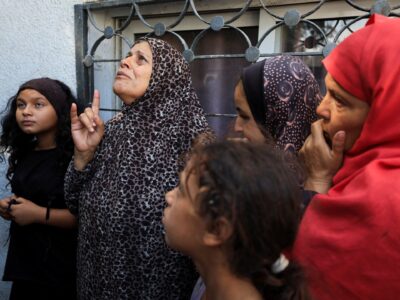
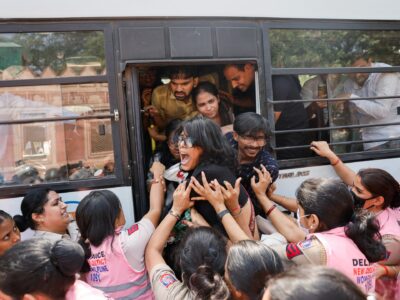
The current crisis has intensified scrutiny on Díaz-Canel’s administration, with citizens taking to the streets in rare public protests expressing frustration over economic hardships and the government’s response. The Cuban government has responded with varying degrees of suppression, attempting to maintain stability and control.
The question of whether Díaz-Canel could be replaced brings several factors into consideration. Cuba’s political system is highly centralized and authoritarian, making leadership changes complex and often internally managed within the party elite rather than through public electoral processes. Leadership transitions tend to happen behind closed doors, and any move to replace Díaz-Canel would likely involve internal party deliberations and consensus.
Internationally, various governments have criticized the Cuban government’s handling of the crisis, applying sanctions or calling for reforms. This external pressure adds to internal challenges but is unlikely by itself to cause immediate leadership change.
Historically, Cuba’s leadership has demonstrated resilience and strong control mechanisms, ensuring continuity despite crises and external pressures. The potential for Díaz-Canel’s replacement would depend on the convergence of overwhelming internal dissent within the elite, significant public pressure, and strategic decisions by key figures in the party and military.
In conclusion, Miguel Díaz-Canel remains the face of Cuba’s leadership amid a profound crisis. Still, the opaque nature of Cuba’s political dynamics means it is difficult to predict leadership outcomes with certainty. Any change would arise from intricate internal party processes rather than open public contestations. The coming months will be critical in determining Cuba’s political and humanitarian trajectory as the island grapples with the escalating crisis and the demands of its people for change.