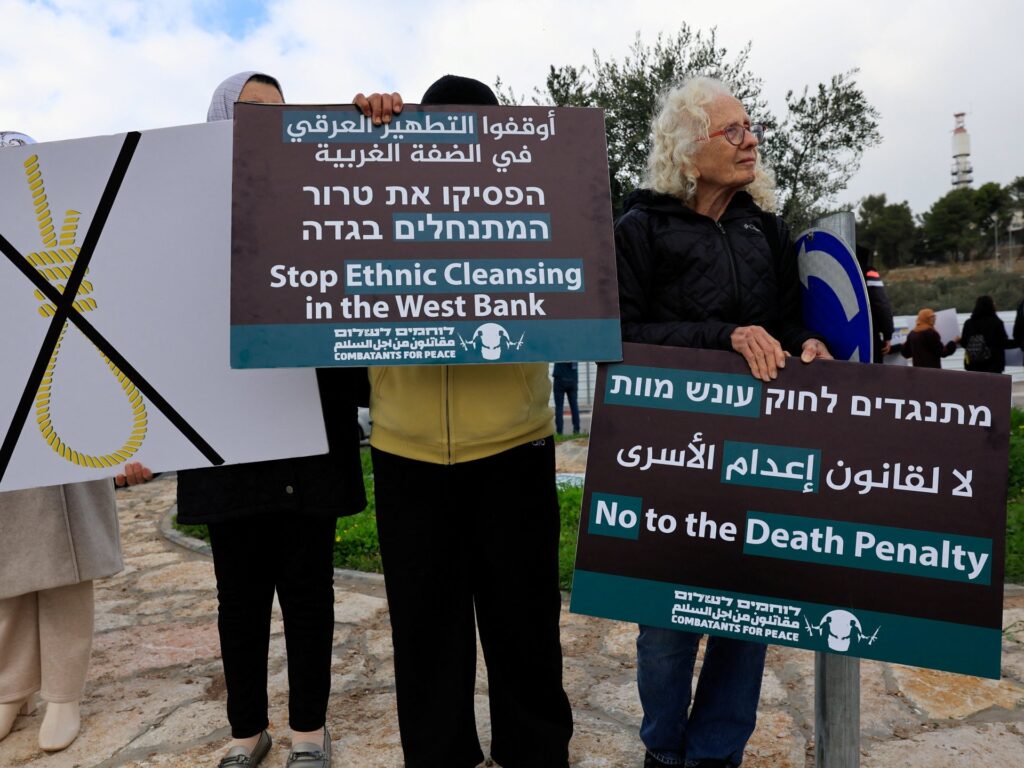
Israel’s recent decision to legalize the death penalty for Palestinians has sparked a wave of outrage and widespread condemnation from international communities, human rights organizations, and political leaders alike. This move marks a significant and controversial shift in legal policy concerning Palestinians under Israeli jurisdiction.
The new law permits the use of capital punishment specifically for Palestinians convicted of certain crimes, a policy that critics argue could exacerbate tensions and undermine prospects for peace in the region. Previously, Israel refrained from applying the death penalty, reserving it only in the most extreme cases, such as the execution of Adolf Eichmann in 1962.
Human rights advocates have voiced strong opposition, stating that the law violates international human rights standards and could lead to further human rights abuses. Many argue that the death penalty is a disproportionate response and fails to address the root causes of conflict and unrest.
International leaders have joined in condemnation, urging Israel to reconsider the law. The United Nations has called for restraint and adherence to international law, emphasizing the importance of protecting human rights even amidst ongoing conflict.
Within Israel, opinions are divided. Some politicians and members of the public support the law, viewing it as a necessary measure to deter violent acts and enhance national security. However, others caution that it risks alienating Palestinians further and could trigger retaliatory violence.
Legal experts warn that implementing the death penalty may lead to complex legal and ethical dilemmas, especially concerning due process and the potential for miscarriages of justice. They stress the need for transparent judicial procedures and safeguards to prevent abuses.
The Palestinian leadership has condemned the legislation, describing it as a provocative and unjust policy that undermines efforts towards dialogue and coexistence. They argue that the move is intended to intimidate Palestinians and weaken their political resistance.
This development occurs amid heightened tensions and recent episodes of violence between Israelis and Palestinians. The new law is expected to impact the already fragile security situation and complicate future peace negotiations.
International human rights organizations have called for renewed efforts to seek non-violent solutions and emphasize the importance of protecting the rights and dignity of all individuals, regardless of nationality or ethnicity.
As the law comes into effect, the global community watches closely, hopeful for a resolution that prioritizes justice, peace, and respect for human rights in one of the world’s most deeply divided regions.