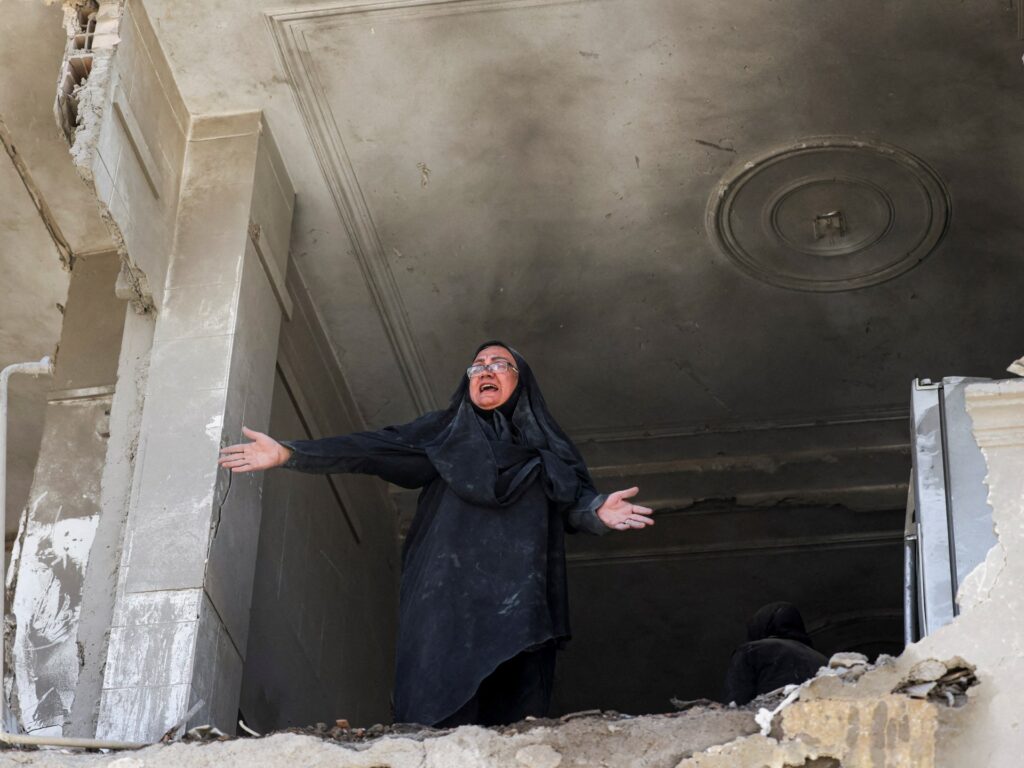
The ongoing conflict involving Iran has taken a dramatic turn with a Kuwaiti oil tanker being struck in the strategic Dubai port, heightening tensions across the Gulf region. This incident occurs as Iran continues its retaliatory actions against US-Israeli operations, extending its attacks to neighboring Gulf states.
In a significant escalation, the attack on the Kuwaiti vessel in one of the world’s busiest maritime hubs underscores the far-reaching impacts of the conflict, which threatens to disrupt global oil supplies and regional security.
Simultaneously, the region mourns the loss of three UN soldiers who were killed amid the clashes. Their deaths highlight the increasing risks faced by international peacekeepers and the volatile security environment in the Middle East.
The geopolitical fallout of these events has prompted urgent diplomatic efforts. Leaders from Saudi Arabia, Qatar, and Jordan have convened in a critical meeting aimed at addressing the destabilization caused by the ongoing conflict and coordinating a unified regional response.
These leaders are grappling with the dual challenge of mitigating Iran’s retaliatory strikes while seeking to maintain stability in their own countries and within the broader Gulf Cooperation Council (GCC) framework.
The incident at Dubai port also raises concerns over maritime security in a region vital for global energy transport. Stakeholders worldwide are closely monitoring the situation due to its potential economic ramifications.
Iran’s continued attacks are largely seen as a direct response to US and Israeli military raids, which have targeted Iranian interests and allied groups in the region. This cycle of action and retaliation has escalated tensions, risking a wider regional conflict.
The international community has expressed deep concern over the unfolding violence and loss of life. Calls for restraint and dialogue have been issued to prevent further deterioration of the situation.
Meanwhile, the GCC nations are exploring various diplomatic channels and security measures to contain the spillover effects and protect their critical infrastructure from further attacks.
As the conflict persists, the security situation remains precarious, with the potential for further incidents that could draw in global powers and complicate peace efforts.
Analysis suggests that the ongoing hostilities could reshape alliances and power balances within the Middle East, influencing future political and economic dynamics.
The recent escalation serves as a grim reminder of the fragile peace in the Gulf and the high stakes involved for all parties concerned.
In conclusion, the hit on the Kuwaiti oil tanker and the deaths of UN soldiers mark a significant intensification of the Iran conflict, prompting urgent regional and international action to avert further crisis.