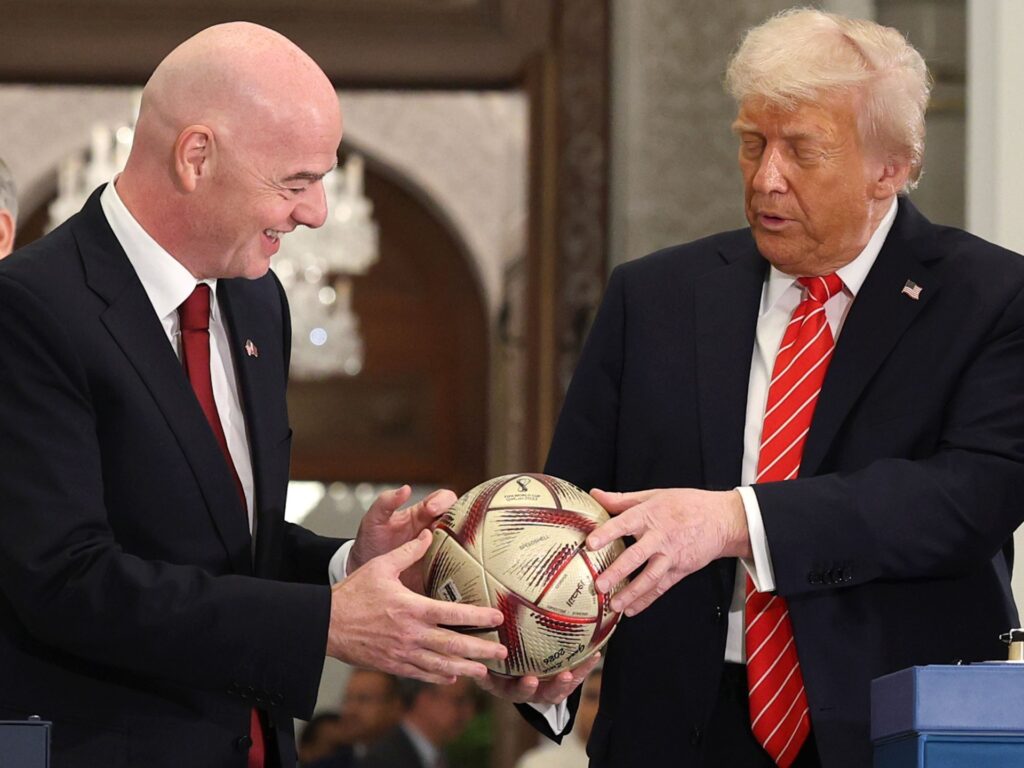
Ahead of the upcoming US World Cup, a coalition of 120 human rights organizations, spearheaded by the American Civil Liberties Union (ACLU) and Amnesty International, has issued a joint travel advisory warning visitors about a deteriorating human rights situation in the United States. The advisory urges travelers to exercise caution and be aware of potential risks related to civil liberties and human rights during their visit.
The coalition expressed deep concerns over several issues, highlighting recent increases in hate crimes, police violence, and restrictive laws targeting marginalized communities, including immigrants, racial minorities, and LGBTQ+ individuals. They stressed that these problems have intensified in recent years, creating an environment that could impact visitors’ safety and rights.
The joint statement calls for bolstered measures to protect both residents and travelers, urging event organizers and authorities to implement comprehensive safeguards. These include stronger police accountability, improved anti-discrimination policies, and accessible resources for those facing harassment or injustice during the event.
Amnesty International’s spokesperson emphasized the importance of recognizing these challenges ahead of a global event of such magnitude, warning that ignorance could result in serious consequences for vulnerable groups attending or residing in host cities.
The American Civil Liberties Union echoed these sentiments, highlighting that hosting an international event like the World Cup comes with a responsibility to uphold universal human rights and protect visitors’ civil liberties.
Despite the advisory, the White House responded dismissively, condemning it as “scare tactics” designed to tarnish the image of the US on the world stage. Officials stressed that the nation remains committed to ensuring the safety and positive experience of all visitors and that the government is actively working with local authorities to address any security concerns.
Critics of the travel advisory argue that it could undermine the success of the World Cup by dissuading attendees and dampening enthusiasm, potentially impacting tourism revenues and the event’s global reputation.
However, champions of the advisory maintain that the warning is a crucial step towards transparency and accountability. They insist that acknowledging existing issues openly is necessary to foster reforms and guarantee a secure environment for everyone.
This unprecedented collective action by so many human rights organizations underscores the growing scrutiny on the US as it prepares to host one of the world’s most watched sporting events. It places human rights conversations at the forefront amid celebrations of sport, culture, and unity.
As millions of fans prepare to travel to the US for the World Cup, the ongoing dialogue between advocates, organizers, and government officials will be pivotal in shaping the event’s legacy beyond the soccer field.
Ultimately, this situation raises important questions about the intersection of sports, politics, and human rights, emphasizing the need for ongoing vigilance and advocacy to ensure that all people, regardless of background, are treated with dignity and respect during such global gatherings.