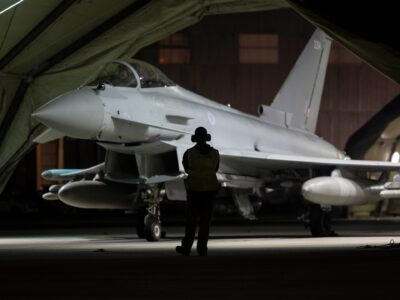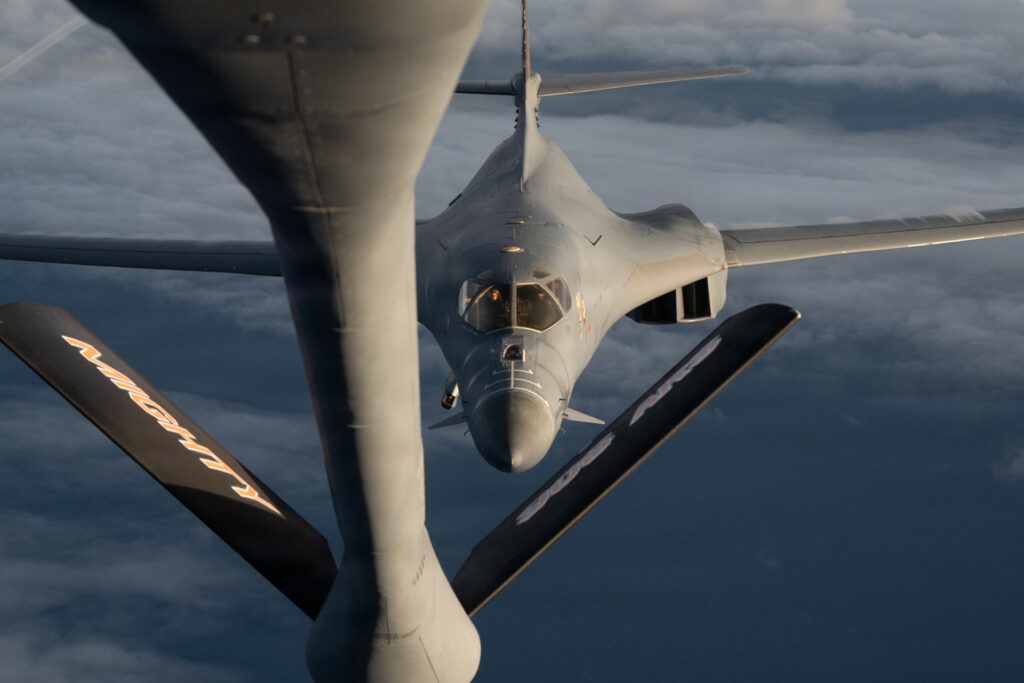
In a significant geopolitical move, Spain has closed its airspace to United States warplanes that are involved in the ongoing conflict with Iran. This decision marks a clear stance by Spain against the US-Israeli military efforts targeting Iran, signaling strong European opposition to the escalation of hostilities in the region.
Spain’s denial of airspace access to US military aircraft is a notable rejection of collaboration in the conflict, reflecting broader concerns about the implications of escalating military actions in the Middle East. The country’s government has not only restricted the immediate use of its skies by these warplanes but also implicitly voiced criticism of the ongoing war efforts.
The backdrop to Spain’s decision includes mounting tensions between Iran and Western powers, particularly the United States and Israel. The conflict has reverberated globally, affecting diplomatic relations, economic stability, and international security.
Madrid’s move places it at odds with its NATO ally, the United States, highlighting divisions within Western alliances regarding the approach to Iran. This act of airspace closure effectively limits the operational capabilities of the US military in the region, forcing a reevaluation of logistical routes and strategic planning.
Spain has historically maintained a nuanced foreign policy, balancing its commitments to international alliances with its national and regional interests. This recent development underscores Spain’s commitment to restricting involvement in escalating conflicts, emphasizing diplomacy over military confrontation.
The international community views Spain’s decision as a bold message against the intensification of military hostilities in the Middle East. It raises questions about the unity among Western countries on how to handle the Iran crisis and signals potential shifts in the geopolitical landscape.
Major international news outlets have highlighted Spain’s stance as a turning point, potentially encouraging other nations to reconsider their military support and engagement strategies in the war against Iran.
Spain’s airspace closure to US warplanes could have broader implications for international military cooperation, affecting future joint operations and strategic alliances. It may also inspire increased diplomatic efforts to find peaceful resolutions to the conflict.
In conclusion, Spain’s denial of airspace use to US warplanes represents a critical juncture in the ongoing international discourse surrounding the war on Iran. As the situation continues to evolve, the global community watches closely the repercussions of Spain’s decisive action in promoting diplomatic solutions over military action.