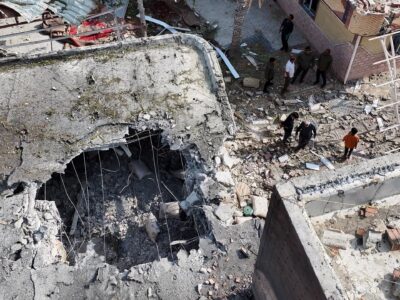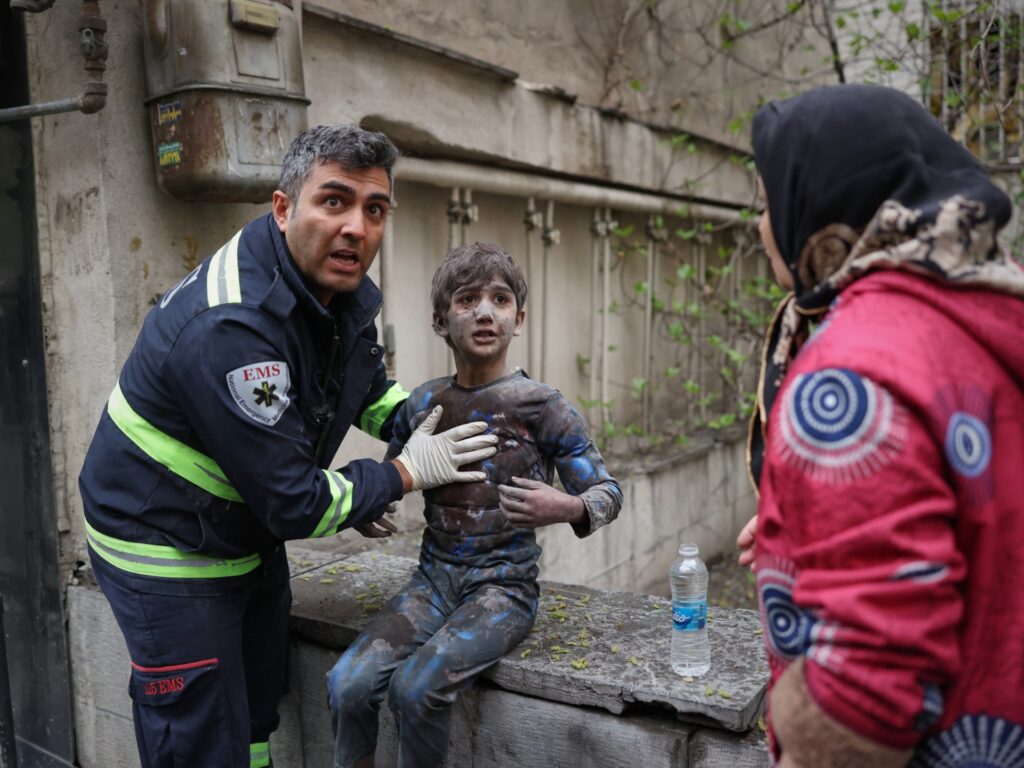
As tensions escalate in the Middle East with Iran threatening retaliatory attacks on Israeli and US universities, several key regional players including Pakistan, Turkiye, Egypt, and Saudi Arabia are actively seeking to de-escalate the situation through diplomatic channels. The ongoing conflict has sparked international concern due to the potential for widespread instability in an already volatile region.
Pakistan, Turkiye, Egypt, and Saudi Arabia, countries with significant influence and strategic interests in Middle Eastern affairs, have united in calling for restraint and dialogue to avoid further conflict. Their collective diplomatic efforts aim to prevent the situation from spiraling into a full-scale war that could have catastrophic consequences not only locally but globally.
The Iranian government has recently issued threats of retaliation in response to actions perceived as hostile from Israel and the United States, specifically targeting academic institutions associated with these countries in the Middle East. This marks a dangerous escalation in rhetoric, indicating a shift towards targeting civilian infrastructures and intellectual hubs, which many analysts warn could exacerbate the humanitarian impact of the conflict.
In response, the diplomatic push spearheaded by Pakistan, Turkiye, Egypt, and Saudi Arabia emphasizes negotiation and confidence-building measures among the involved parties. These countries have begun working through regional organizations and international bodies to foster an environment conducive to dialogue. Their initiatives include proposing ceasefires, initiating back-channel communications, and urging restraint from all sides involved in the conflict.
International observers and diplomats applaud these efforts, highlighting them as critical moves toward stabilizing the region. The coordination among these diverse nations is seen as a hopeful sign that the broader Middle East conflict can be managed through political rather than military means.
Despite the diplomatic endeavors, the situation remains highly precarious. Iran’s warnings of possible attacks on educational institutions introduce a new and alarming dimension to the conflict, prompting calls from global leaders for immediate de-escalation and protection of civilian sites.
The coming days will be crucial as the diplomatic efforts gain momentum. Should these negotiations succeed, they could pave the way for a broader peace initiative involving more stakeholders in the region and reduce the chances of further violence.
In summary, while Iran’s threats pose significant risks to regional security, the proactive diplomatic engagement by Pakistan, Turkiye, Egypt, and Saudi Arabia offers a potential path forward. Their continued commitment to dialogue and peace will be essential in navigating this complex crisis and avoiding a devastating escalation in the Middle East.