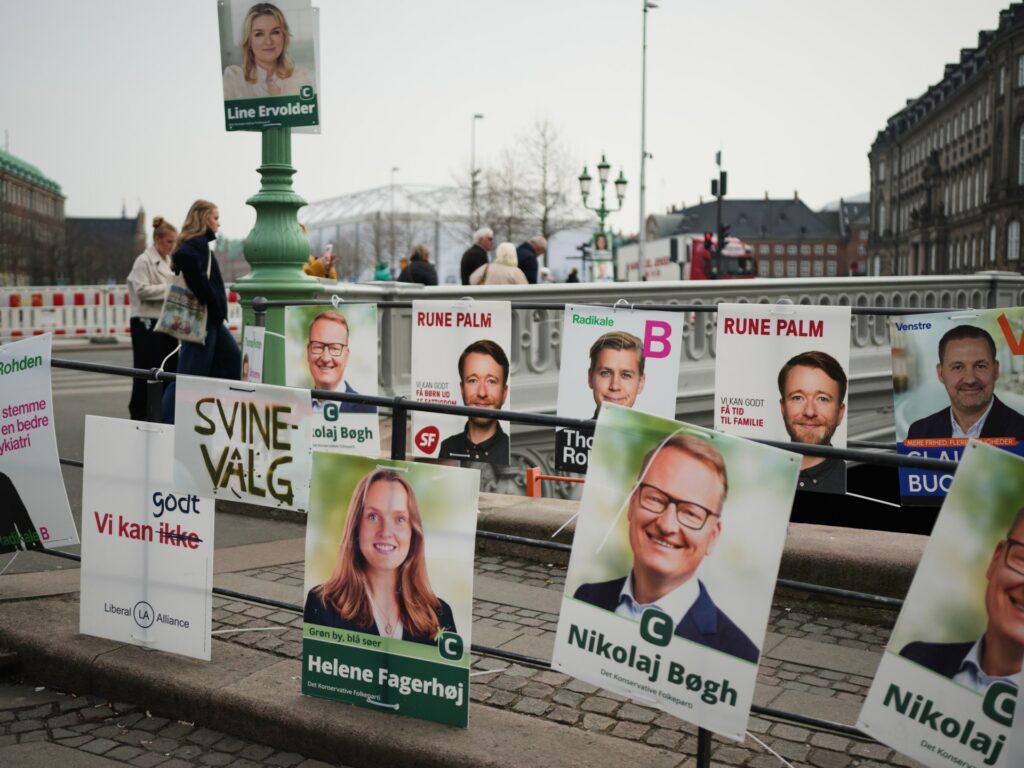
Denmark is currently holding its national elections, a significant political event clouded by recent international tensions linked to U.S. President Donald Trump’s controversial proposal to purchase Greenland. This unprecedented remark from the American leader has added a complex layer to Denmark’s electoral atmosphere, influencing public discourse and political strategies.
Incumbent Prime Minister Mette Frederiksen is widely projected to secure a third term, riding on a wave of strong domestic support fueled by her firm stance against President Trump’s suggestion. Frederiksen’s response to the Greenland issue is viewed by many Danes as a demonstration of national sovereignty and robust foreign policy, themes that have resonated deeply with voters in the run-up to the election.
The background to the controversy involves Greenland, a vast autonomous territory within the Kingdom of Denmark, rich in natural resources and of significant strategic importance. President Trump’s idea to buy the territory was met with swift rejection from Frederiksen and widespread criticism internationally, highlighting the complexities of global diplomacy in the Arctic region.
In Denmark, the election campaign has been marked by discussions not only about domestic issues such as the economy, immigration, and climate change but also about Denmark’s role on the international stage. The Greenland dispute has intensified scrutiny of Denmark’s foreign relations, particularly with the United States.
Experts note that Frederiksen’s firm response and the resulting surge in nationalist sentiment have bolstered her position among voters seeking stability and a clear defense of Denmark’s interests abroad. Meanwhile, opposition parties are trying to capitalize on security concerns and economic policies to sway undecided voters.
As polling stations close and votes are tallied, the world watches how the Greenland controversy and Frederiksen’s leadership will shape the future course of Denmark. The election results will not only determine domestic governance but also influence Denmark’s diplomatic posture and its strategic engagements in the Arctic region and beyond.
In sum, Denmark’s election is being held at a critical juncture marked by geopolitical friction, domestic challenges, and the assertion of national identity. Prime Minister Mette Frederiksen’s anticipated victory underlines her success in navigating these turbulent waters and maintaining the confidence of the Danish electorate.