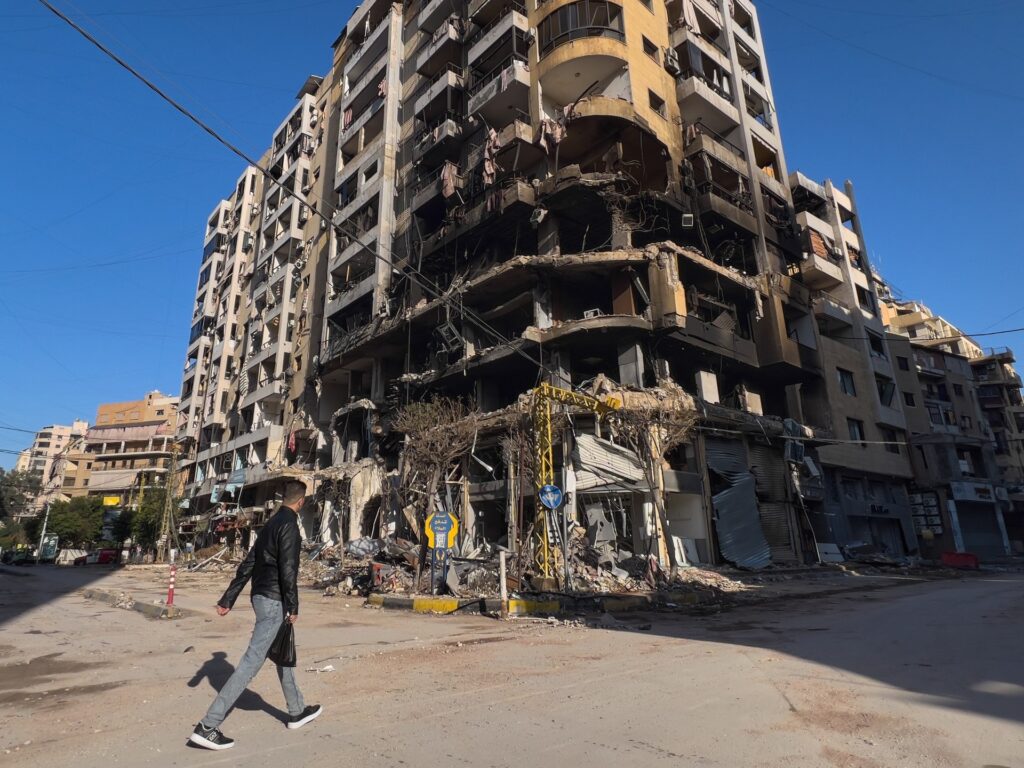
In a significant escalation of the conflict in Lebanon, Israeli forces have intensified their military operations across multiple locations in the country. A recent attack in Beirut resulted in the deaths of three individuals, marking a grim development in the ongoing hostilities. This uptick in violence is part of a broader campaign by Israel against targets in Lebanon, which has led to widespread destruction and chaos.
The escalation has had devastating effects on the civilian population. More than a million people have been displaced, seeking refuge in safer areas within Lebanon or crossing borders to neighboring countries. The humanitarian situation is rapidly degrading, with shortages of basic necessities such as food, water, medical supplies, and shelter.
International observers and human rights organizations have expressed deep concern about the rising civilian toll and the increasing number of displaced persons. Calls for a ceasefire and diplomatic interventions are growing louder as the conflict shows no signs of abating.
The Lebanese government has condemned the attacks and appealed for international assistance to manage the crisis. Meanwhile, the regional stability is under threat, as tensions escalate between Israel and its neighbors. There is apprehension that the conflict could widen further, dragging in more actors and leading to broader regional instability.
Israeli officials have stated their operations target militant groups, asserting the necessity of their actions for national security. However, the impact on the civilian population and infrastructure has drawn criticism both domestically and internationally.
The global community watches closely as Lebanon grapples with the conflict’s humanitarian and political ramifications. Efforts to broker peace and provide aid continue amid the volatile and dangerous circumstances. The unfolding situation underscores the urgent need for dialogue, de-escalation, and sustained support for those affected by the violence.