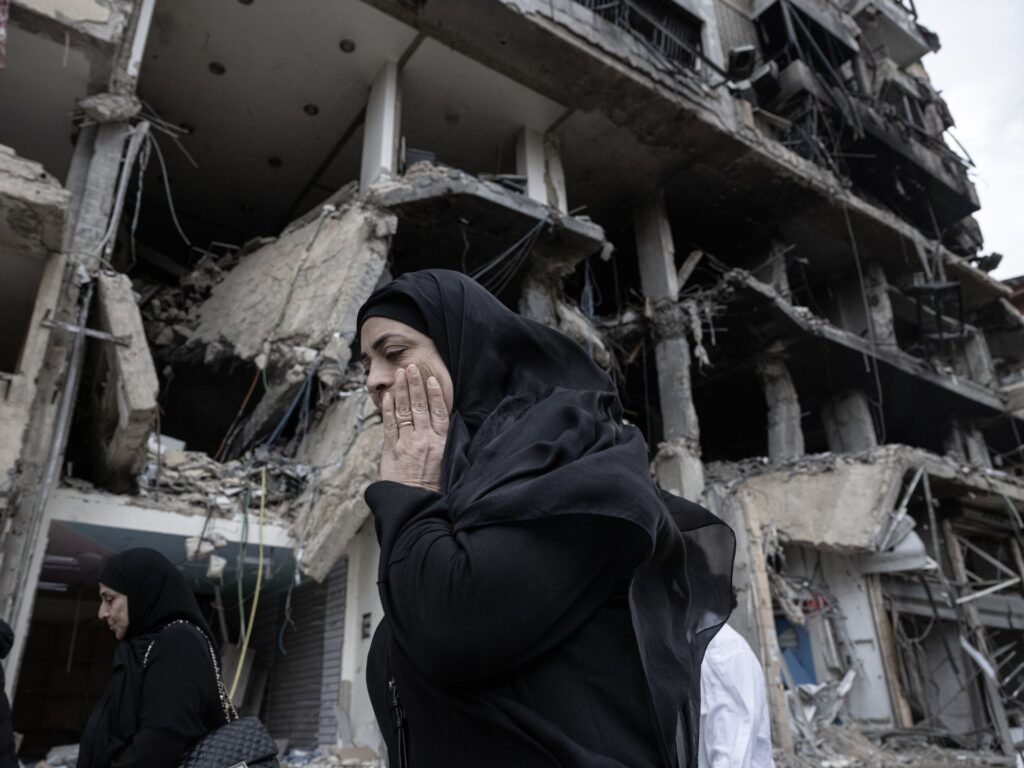
In a significant escalation of tensions in the Middle East, Israeli attacks on Lebanon have resulted in the deaths of at least five people, including a well-known Lebanese journalist, Amal Khalil. This tragic event occurred amid stalled diplomatic efforts between Tehran and the United States, marking a turbulent phase in regional relations.
The attacks, carried out on Wednesday, highlight the fragile security situation in Lebanon, a country that has witnessed numerous conflicts and remains a focal point of Israel-Iran proxy confrontations. Amal Khalil, a respected journalist known for her insightful coverage of regional affairs, was among those killed, sparking outrage and condemnation from media organizations and human rights groups worldwide.
Israeli military officials have described the strikes as necessary actions targeting hostile groups, emphasizing their commitment to national security. However, the loss of civilian lives has drawn criticism and raised concerns about the proportionality and impact of these operations on innocent bystanders.
At the same time, diplomatic channels remain at an impasse with Tehran and Washington unable to progress in their talks. The talks, which seek to address broader issues including nuclear agreements and regional stability, have hit a deadlock, contributing to the overall tension in the region.
The death of Amal Khalil adds a humanitarian dimension to the ongoing conflict, underscoring the risks faced by journalists reporting from conflict zones. Her death has been mourned by colleagues and advocates for press freedom, who stress the importance of protecting journalists who play a critical role in documenting and informing the world about such crises.
The international community has called for restraint and renewed dialogue to prevent further escalation. Human rights organizations have demanded thorough investigations into the strikes that resulted in civilian casualties, including the journalist’s death.
The situation remains volatile with the potential for additional military actions and diplomatic developments. Media reports suggest that Lebanon’s government is under pressure to respond strongly to what it views as violations of its sovereignty.
As the Iran-US talks remain stalled, the broader implications for Middle East peace and security are profound. Analysts warn that without a breakthrough, both diplomatic and military tensions are likely to intensify, further destabilizing a region already burdened by decades of conflict.
In conclusion, the killing of Lebanese journalist Amal Khalil during Israeli attacks on Lebanon is a devastating reminder of the human cost of geopolitical strife. It underscores the urgent need for diplomatic engagement and adherence to international laws protecting civilians and journalists in war zones.