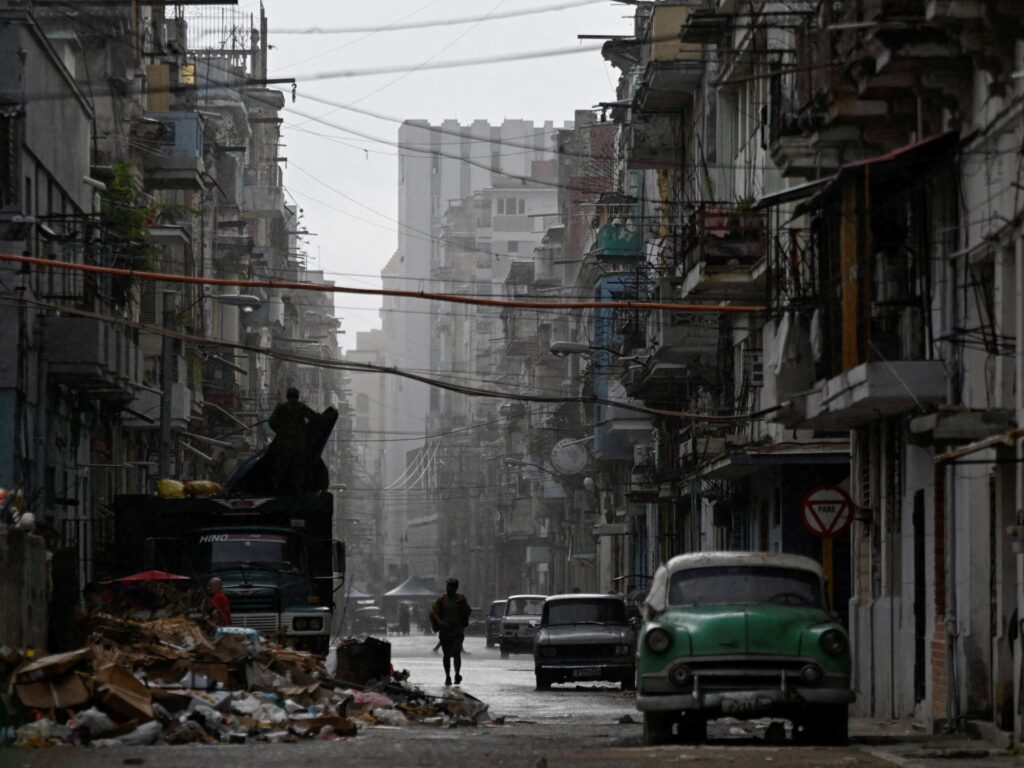
In the wake of a severe oil blockade imposed by the United States, Cuba faces a critical energy crisis that has left millions without power for three months. The total blockade has stalled all fuel shipments, plunging the nation into darkness and exacerbating hardships faced by the Cuban people.
In response to this dire situation, European humanitarian groups have mobilized to support Cuba by joining an aid convoy aimed at delivering essential supplies and fuel. This coalition of European organizations highlights the international concern over the blockade’s devastating impact on Cuba’s infrastructure and civilian population.
The blockade has crippled Cuba’s ability to maintain its electrical grid, resulting in widespread blackouts affecting homes, hospitals, transportation, and communication networks. Without fuel, generators and vehicles are inoperable, which hinders critical services and daily life.
European aid groups bringing in fuel and essential goods represent a lifeline amidst the crisis. Their involvement underscores the solidarity and humanitarian commitment of the international community, pushing back against the effects of unilateral sanctions.
Coalition leaders emphasized that the aid convoy is a humanitarian mission that seeks to alleviate suffering and restore fundamental services for Cuban citizens. They called on international bodies to recognize the urgency of the crisis and to work towards lifting or at least mitigating the blockade to prevent further deterioration.
Local Cuban officials have expressed gratitude for the support, noting that the arrival of aid is crucial for sustaining lives and the economy as the blockade persists. However, they caution that long-term recovery requires international cooperation and political dialogue.
The situation in Cuba serves as a poignant example of how economic blockades and sanctions can lead to profound humanitarian crises. The European groups’ intervention may pave the way for renewed discussions on the impact of sanctions and the importance of upholding human rights in geopolitical conflicts.
As the aid convoy moves forward, the world’s eyes remain on Cuba, hopeful that this marked international solidarity will ease the hardships and spark meaningful change toward resolving the energy crisis and reopening vital supply lines.
The coming weeks will be crucial, with the potential for further aid deliveries and diplomatic efforts to address the blockade. The Cuban people, having endured months of power shortages and scarcity, look forward to a future where such essential necessities are restored, and stability can be regained.