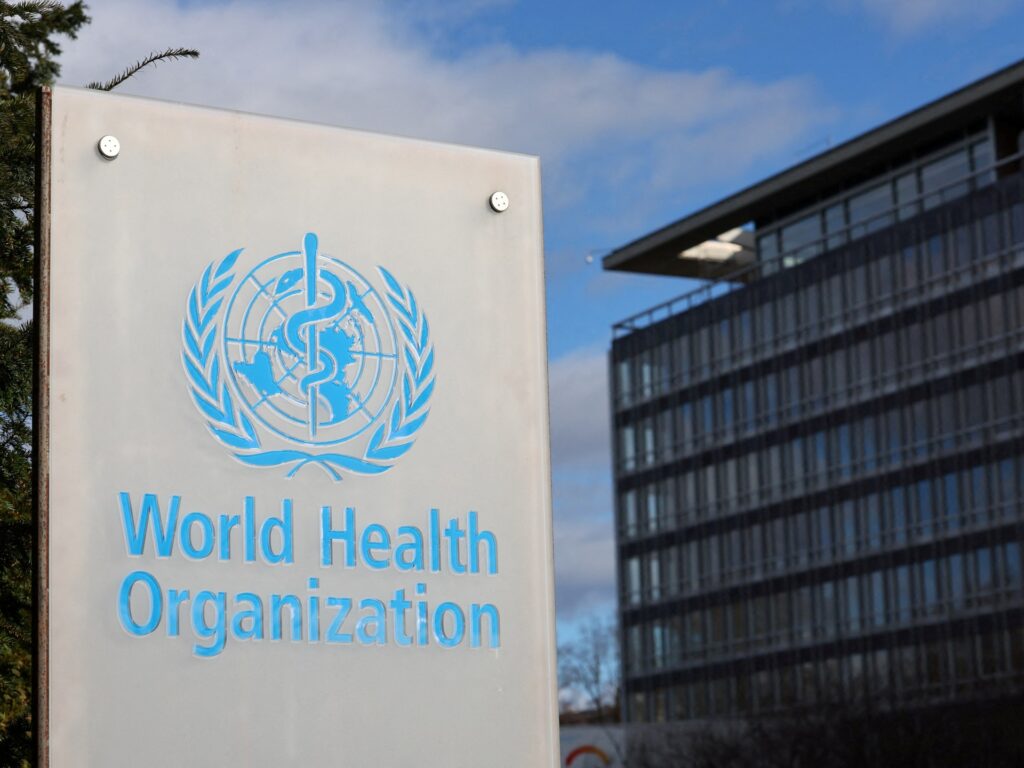
In a significant development on the global health stage, Argentina has officially announced its withdrawal from the World Health Organization (WHO). This move follows the precedent set by the United States, reflecting a growing wave of skepticism toward international institutions shaped by the recent pandemic. Argentine President Javier Milei, who spearheaded the decision, has been publicly critical of the WHO’s handling of the COVID-19 crisis.
President Milei’s critiques center on what he perceives as inadequate responses and lack of transparency from the WHO during the pandemic, which, he argues, undermined global efforts to manage the crisis effectively. According to Milei, the international health body failed to provide timely and accurate information, contributing to the spread and severity of the virus.
The withdrawal marks a pivotal turn in Argentina’s health policy and international relationships, prompting analysis on the local and global implications. It underscores a broader trend of nations re-evaluating their alliances and commitments to global governance organizations.
Historically, the WHO has been instrumental in coordinating responses to health emergencies, setting standards, and helping with disease control worldwide. The organization’s role during COVID-19, however, has been subject to intense scrutiny and debate. Critics argue that geopolitical factors have influenced WHO’s decisions and responses, whereas supporters believe that the organization worked under unprecedented challenges to manage a novel pathogen.
Argentina’s decision could signal a shift toward more nationally focused health policies. It also raises questions about the future of international cooperation in health crises, especially as other countries watch how Argentina navigates its post-WHO engagement.
The US exit from WHO, initiated by the previous administration, was rooted in similar criticisms and has been a contentious issue in international politics and health policy. Argentina’s alignment with this stance indicates a shared dissatisfaction and may influence other countries to reassess their participation.
Experts warn that withdrawing from a global health organization may lead to isolation in critical areas such as pandemic preparedness, vaccine distribution, and health research collaborations. It could potentially slow down Argentina’s access to global health resources and expertise.
Locally, the move has sparked mixed reactions among Argentina’s health professionals, policymakers, and citizens. Some support the decision as a necessary step toward sovereignty and improved national health management, while others express concern about the ramifications for public health.
The Argentine government has not yet detailed its alternative strategies for international health cooperation, leaving analysts to speculate on the country potentially increasing bilateral agreements or regional collaborations.
In conclusion, Argentina’s departure from the WHO highlights the complex interplay between national interests and global health governance. As countries like Argentina and the US reshape their relationships with international organizations, the future of global health collaboration remains uncertain amidst ongoing pandemics and emerging health threats.